Why Flexible Finance Is Becoming a Farmer’s Best Friend
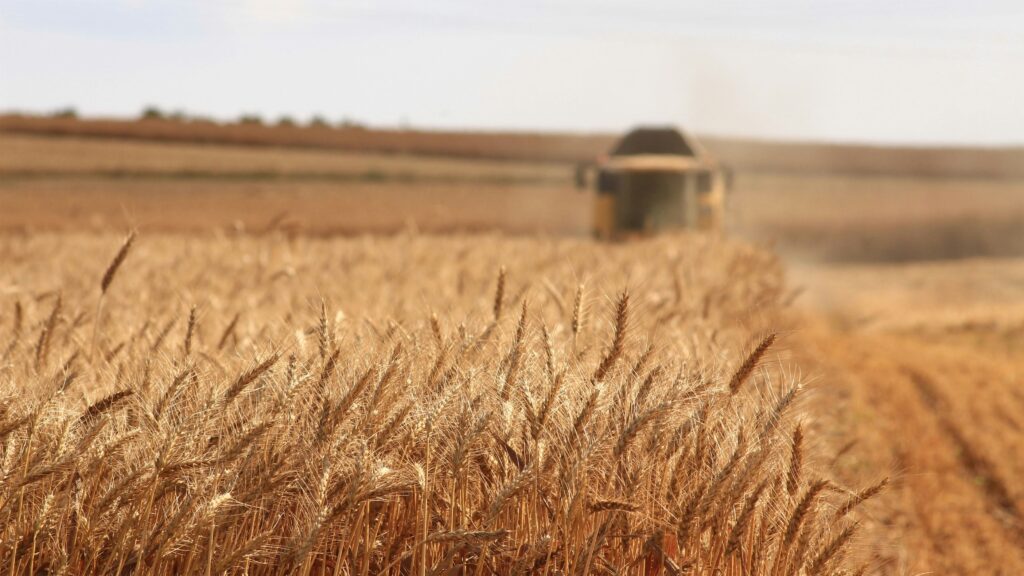
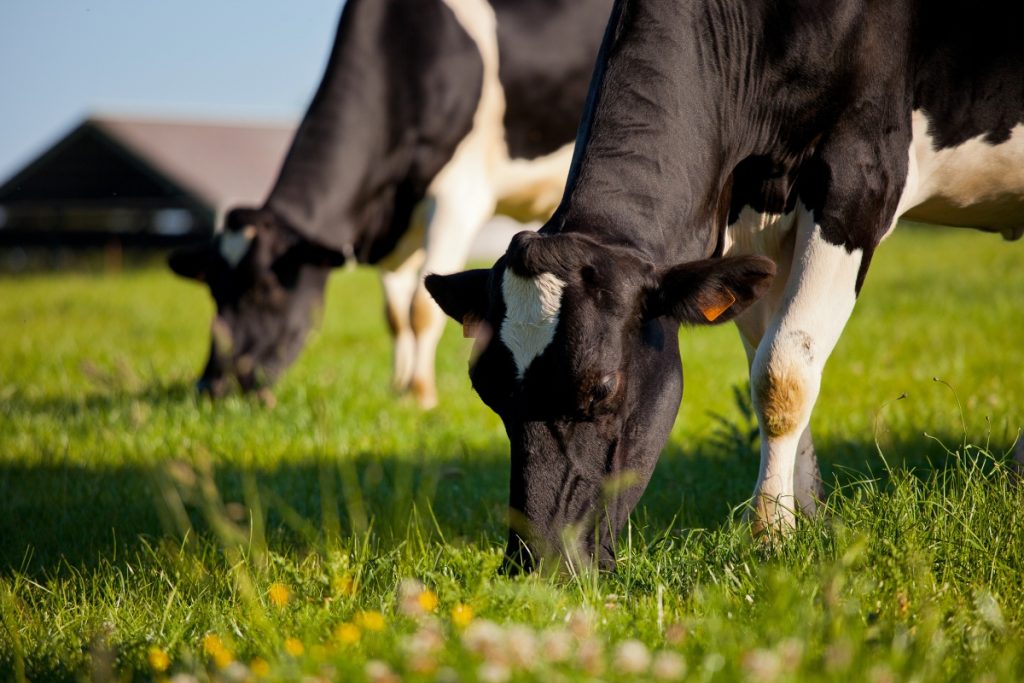
Farming has always been a balancing act — weather, inputs, markets, labour, and margins. But in 2025, that balancing act has become tougher than ever. Costs are high, prices are unpredictable, and many farms are having to make big decisions with less certainty than they’ve ever had before.
That’s why more farmers are turning to flexible finance — not as a last resort, but as a strategic tool. In a year where every pound counts, flexible leasing and asset finance increasingly feel less like a financial product and more like a reliable partner.
Here’s why it’s becoming a farmer’s best friend.
1. It protects cash flow when inputs keep rising
Feed, fertiliser, fuel, machinery parts — none of them are getting cheaper. Even when global prices ease, it takes months to filter through to farm budgets, if at all.
Meanwhile, essential repairs or equipment upgrades can’t always wait.
Flexible finance spreads the cost over time instead of taking a big hit upfront. That means you keep your cash where it’s needed daily: feeding stock, maintaining buildings, paying workers, and handling unpredictable bills.
In short: it protects liquidity when liquidity is under pressure.
2. It smooths out the unpredictability of farm income
Milk prices rise, then fall. Lamb values spike in spring, soften in autumn. Grain prices swing with weather, global markets, and supply chains.
Farm income rarely arrives evenly — so finance shouldn’t be rigid either.
A flexible finance agreement allows for:
Seasonal repayment structures
Terms that match your cash-in cycles
Breathing room when markets dip
When revenue is uneven, flexibility stops cash flow becoming a problem.
3. It makes modern equipment affordable
New machinery isn’t a “nice to have” anymore. It’s central to efficiency, compliance, and competitiveness — from low-emission tractors to precision tech that cuts waste and boosts output.
Buying outright is often unrealistic in today’s climate.
Leasing allows farms to:
Access the right kit when they need it
Avoid massive upfront spend
Upgrade at the end of the term without being tied to outdated machinery
Farming has changed. The kit needed to run a profitable, efficient operation has changed too. Flexible finance helps farmers keep pace.
4. It helps offset risk in a sector full of unknowns
Weather is unpredictable. Policy is unpredictable. Energy prices are unpredictable. And global markets… even more so.
In a world where nothing stands still, flexible finance gives farmers something that does: stable, fixed payments.
No sudden spikes.
No surprises.
No stress.
It turns long-term investment into something manageable — even when the rest of the industry feels unstable.
5. It supports long-term planning, even in short-term uncertainty
The pressure to “do more with less” isn’t going away. Farmers are being asked to improve productivity, meet environmental targets, reduce emissions, and modernise — all while profit margins tighten.
Flexible finance gives farms the room to plan properly:
Spread investment across years
Keep capital available for emergencies
Upgrade gradually, not all at once
Avoid over-borrowing
It’s not just a funding option — it’s a safeguard for the future.
Our View
Farming is going through one of its most challenging periods in decades. Costs are high. Prices are unpredictable. And every upgrade needs to earn its keep.
Flexible finance gives farmers control at a time when so much else feels outside their hands. It protects cash flow, reduces risk, and makes investment realistic — not daunting.
At Buckingham Leasing, we work with farms across the UK to structure finance around their seasons, pressures, and goals — not the other way round.
If you’d like support planning your next investment, or want to explore what flexible finance could look like for your farm, we’re here to help.
