What the Iran War Actually Means for Normal Businesses
What the Iran War Actually Means for Your Business Finances
Reading time: 3 minutes | April 2026
If you run a small business, you have probably noticed costs creeping up again. Diesel. Energy. Suppliers increasing prices with little warning. Maybe a finance deal that looked viable a few months ago has vanished.
This is not coincidence. There is a direct line between events in the Middle East and what is hitting your cash flow right now. Here is what is going on and what it means for your decisions.
What Happened
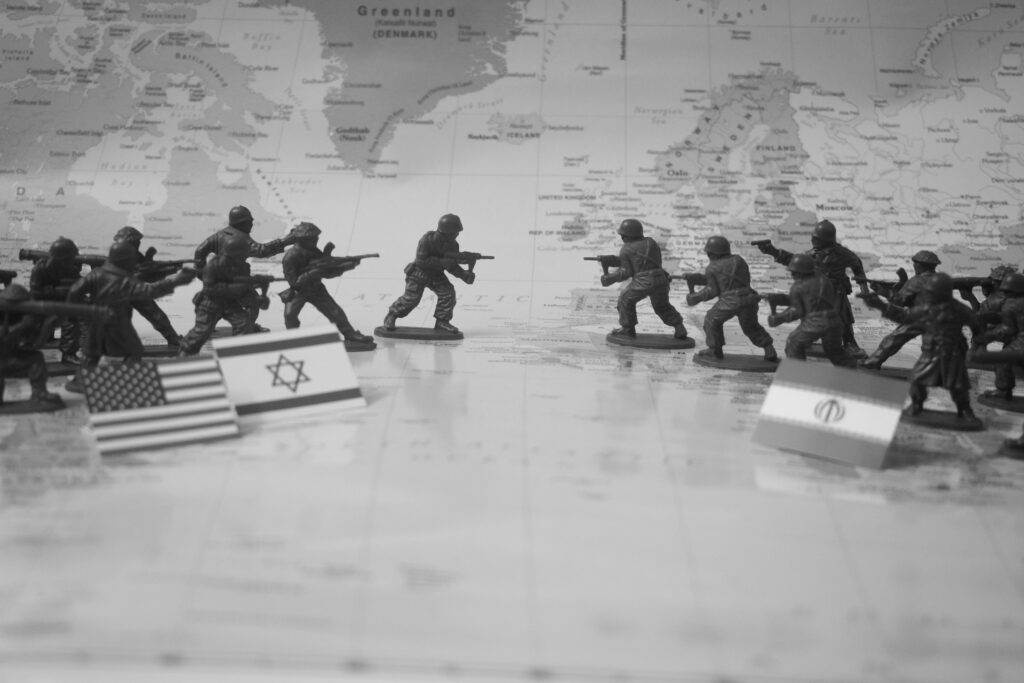
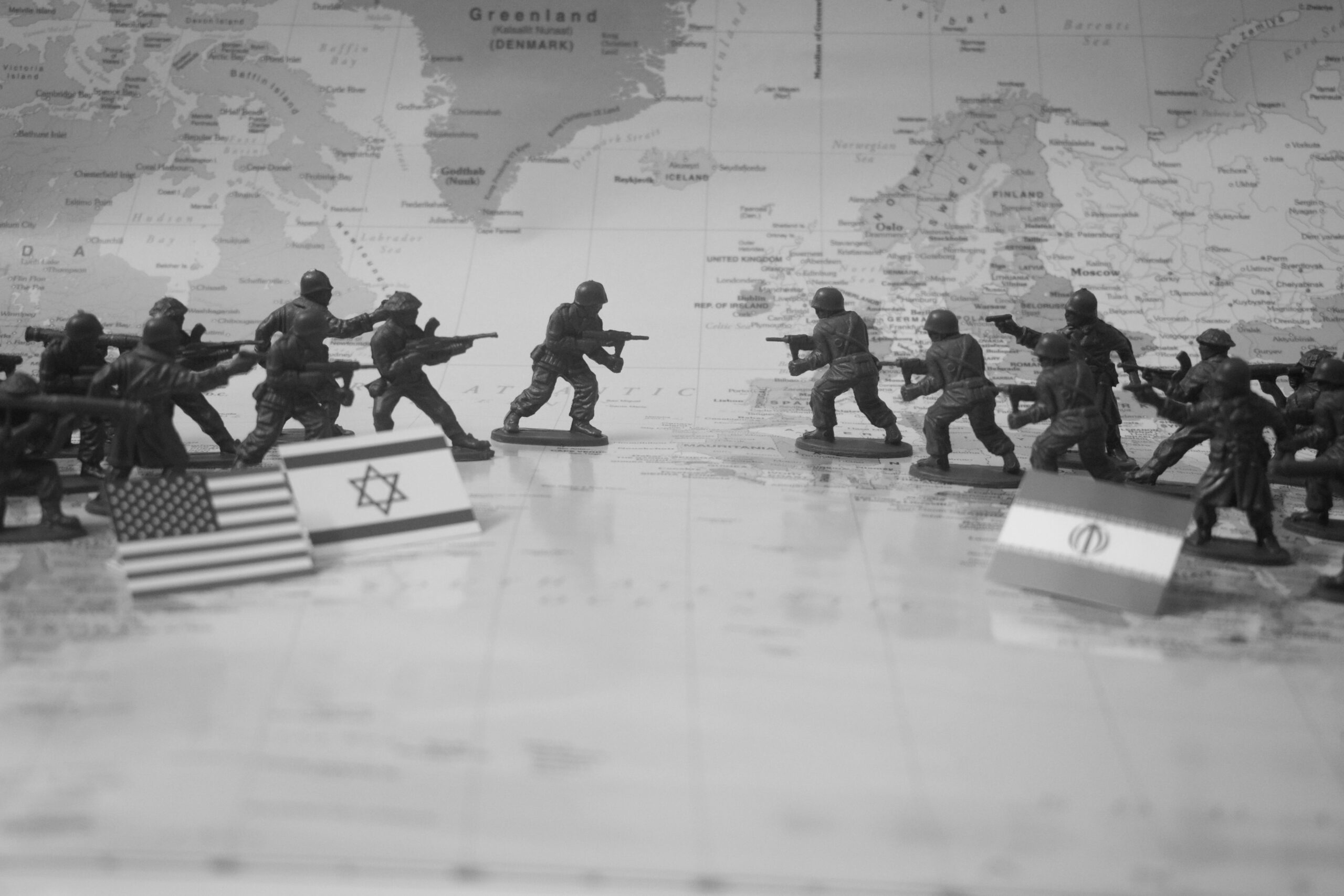
On 28 February, US and Israeli forces launched strikes on Iran. In response, Iran closed the Strait of Hormuz, a route that carries roughly 20 percent of the world’s oil and gas.
Markets reacted immediately. UK wholesale gas prices rose around 75 percent in weeks. Diesel jumped nearly 30 pence per litre. Oil pushed past 115 dollars a barrel.
When energy costs rise, everything follows. Production, transport and materials all become more expensive.
That creates a problem for central banks. The Bank of England had been expected to cut interest rates. Instead, it held them at 3.75 percent, and there is now a real possibility rates stay higher for longer.
What It Means for Different Businesses
Some sectors are feeling it more than others.
Farming is under serious pressure. Red diesel is up roughly 60 percent since late February. Fertiliser prices have surged by around 50 percent, with the UK heavily reliant on imports through affected regions. At the same time, crop prices have not kept pace. Margins are being squeezed hard.
Groundcare and landscaping businesses are exposed through fuel. If you priced jobs before diesel increases, you may already be working on reduced margins.
Construction and plant operators are facing higher running costs. Fixed price contracts are particularly vulnerable. Costs have risen, but revenues have not.
Sports and leisure facilities cannot cut back on maintenance. The cost of simply staying operational has increased, whether budgeted or not.
How to Think About Equipment Investment
When conditions tighten, many businesses default to one of two reactions. Spend nothing, or avoid finance altogether.
Neither is always the right move.
Buying equipment outright protects you from interest, but ties up cash. In a volatile cost environment, liquidity matters. Locking capital into a depreciating asset can reduce your flexibility when you need it most.
Delaying investment carries risk too. Older equipment breaks down more often. If something critical fails at the wrong time, emergency costs can quickly outweigh planned financing.
This is where structured finance becomes useful.
Leasing or hire purchase gives you fixed monthly payments. Unlike variable rate borrowing, those payments do not change if interest rates rise. Your fuel bills might fluctuate. Your finance agreement will not.
There are also tax advantages. Lease payments are typically deductible against profit, which can make a meaningful difference in a tight year.
One option that often gets overlooked is sale and leaseback. If you own equipment outright, you can sell it to a finance provider, release cash, and continue using it as normal. It is a way of unlocking working capital without disrupting operations.
Three Practical Steps to Take Now
1. Review what you own
You may already have assets that could be used to release cash, without taking on new borrowing.
2. Understand your rate exposure
If you are on variable rate agreements, know what even a small rate increase does to your monthly costs before it happens.
3. Get proper advice before committing
The structure of a finance agreement matters. Over three to five years, the difference between a well structured deal and a poor one can be significant. An independent broker will typically give you a broader view than a single lender.
No one knows how long this situation lasts. But businesses that navigate periods like this well tend to have one thing in common. They stay close to their numbers and make deliberate decisions about cash.
That matters more now than it did six months ago.
