Business & Dealers
A £1 Million Tax Break Hiding in Plain Sight
Ask a room of small business owners about the Annual Investment Allowance and watch the eyes glaze.

Ask a room of small business owners about the Annual Investment Allowance and watch the eyes glaze. It sounds like accountant territory, something for bigger firms with tax departments. It is, in fact, one of the most generous and most underused reliefs available to ordinary SMEs, and any business planning to buy equipment, machinery or commercial vehicles should understand it before signing anything.
The mechanism is refreshingly simple. The AIA lets a business deduct the full cost of qualifying plant and machinery from its taxable profits in the year of purchase, up to £1 million a year, permanently. Not spread across a decade of writing-down allowances. All of it, at once. Machinery, commercial vehicles (though not cars), tools, equipment, fixtures, IT: the definition of qualifying plant is broad enough to cover most of what a trading SME actually buys.
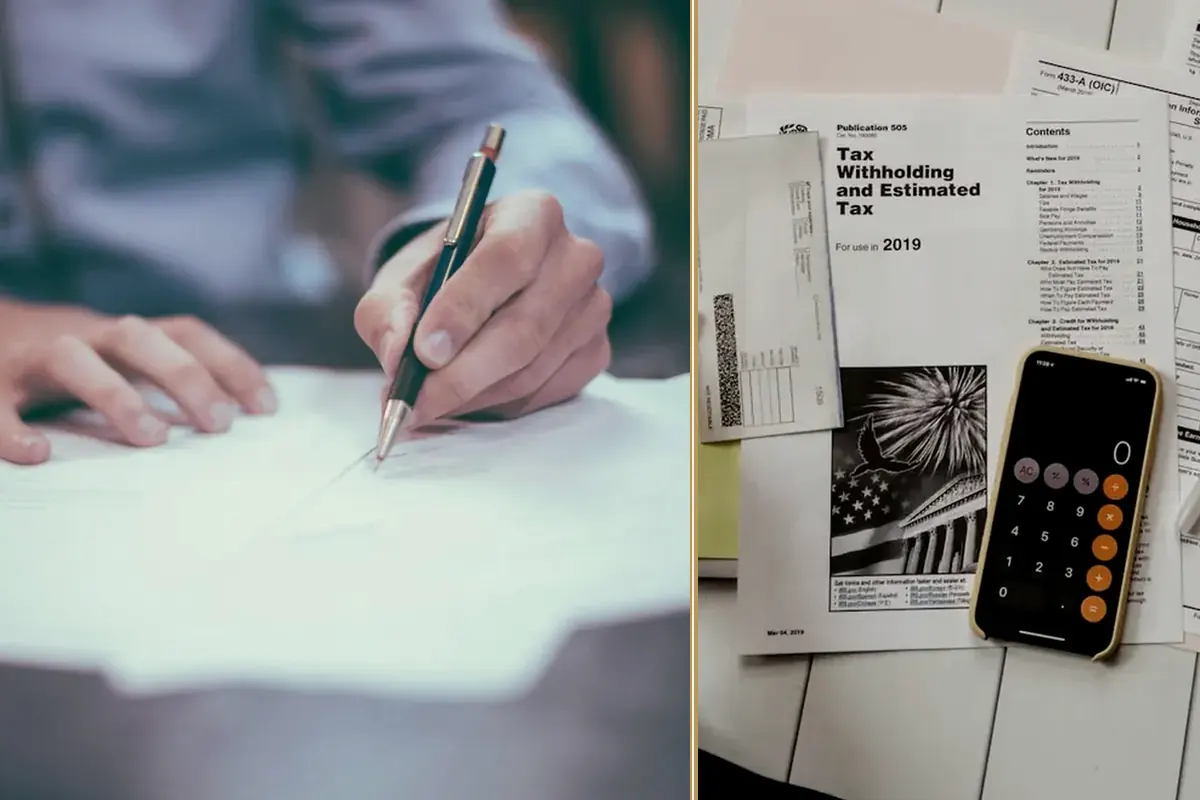
Worked through, the effect is substantial. A profitable limited company buys £60,000 of qualifying equipment. The AIA deducts the full £60,000 from that year's taxable profit, and at current corporation tax rates the resulting saving can run to a five-figure sum. HMRC has, in effect, contributed a meaningful percentage of the purchase price, simply because the business invested in itself. Sole traders and partnerships see the benefit at their income tax rates instead; the principle holds.
Now the part that matters for readers of this blog: financing the purchase does not forfeit the relief, and with the right structure it improves the overall position considerably. Equipment bought on hire purchase is treated for capital allowance purposes as owned by the business from the start. The full cost can therefore qualify for the AIA in year one, while the actual cash leaves the account in monthly instalments over the following years. Read that combination again: full tax relief up front, cost spread over the equipment's working life. In the first year, the tax saved can exceed the payments made. It is one of the few places in business finance where the timing genuinely works in the SME's favour.
Leasing works differently, and neither better nor worse universally: under most lease structures the finance company claims the allowances and the benefit flows to you through the rentals, which are themselves generally deductible against profit. Which structure wins depends on your profits, your tax position and your plans for the kit, which is why the sequence matters: accountant first, finance second, purchase third.

Timing within your accounting year matters too. The AIA relieves profit in the year the expenditure is incurred, so a business heading for a strong year can bring a planned purchase forward to shelter that profit, rather than landing the deduction in a leaner year where it is worth less. The equipment was coming anyway; the year it arrives changes what it truly costs.
Standard caveats, sincerely meant: this is a description, not advice; cars are excluded; detail and rates change; and your accountant should confirm how the numbers fall for your specific business before you commit.
But the headline is not complicated. If your business pays tax and buys equipment, the AIA is money on the table, and hire purchase lets you claim it without draining the account. Buckingham Leasing arranges HP and leasing for SMEs and is glad to work alongside your accountant so the finance structure and the tax planning point the same way. Before your next significant purchase, ask two questions: which year should this land in, and which structure suits? The answers are frequently worth thousands.