Farming
Avoiding Budget Shocks: Why Preventative Planning Matters More Than Ever
Most grounds operations budget for routine maintenance: servicing, fuel, consumables and seasonal work. The real disruption comes from unplanned events — major equipment failures, vehicle breakdowns,
In this article
Most grounds operations budget for routine maintenance: servicing, fuel, consumables and seasonal work. The real disruption comes from unplanned events — major equipment failures, vehicle breakdowns, storm damage or irrigation problems.
In 2026, financial resilience is particularly important because income streams can be uncertain. Private contractors may face fluctuating workloads, while public-sector teams operate under fixed budgets that rarely allow for surprises.
Preventative Maintenance Saves More Than It Costs

Forward-thinking teams are placing greater emphasis on preventative maintenance and asset reviews. Identifying worn components early can avoid catastrophic failures during peak use periods. Scheduling servicing during quieter months reduces disruption and may lower costs.
Many organisations are also tracking the total cost of ownership of key assets. Older equipment may appear cheaper because it is already paid for, but frequent repairs, downtime and inefficiency can make it more expensive overall.
Replace Before Failure — Not After
Waiting until machinery fails often leads to emergency purchases at the worst possible time, when budgets are already stretched. Planned replacement programmes allow costs to be spread and ensure continuity of service.
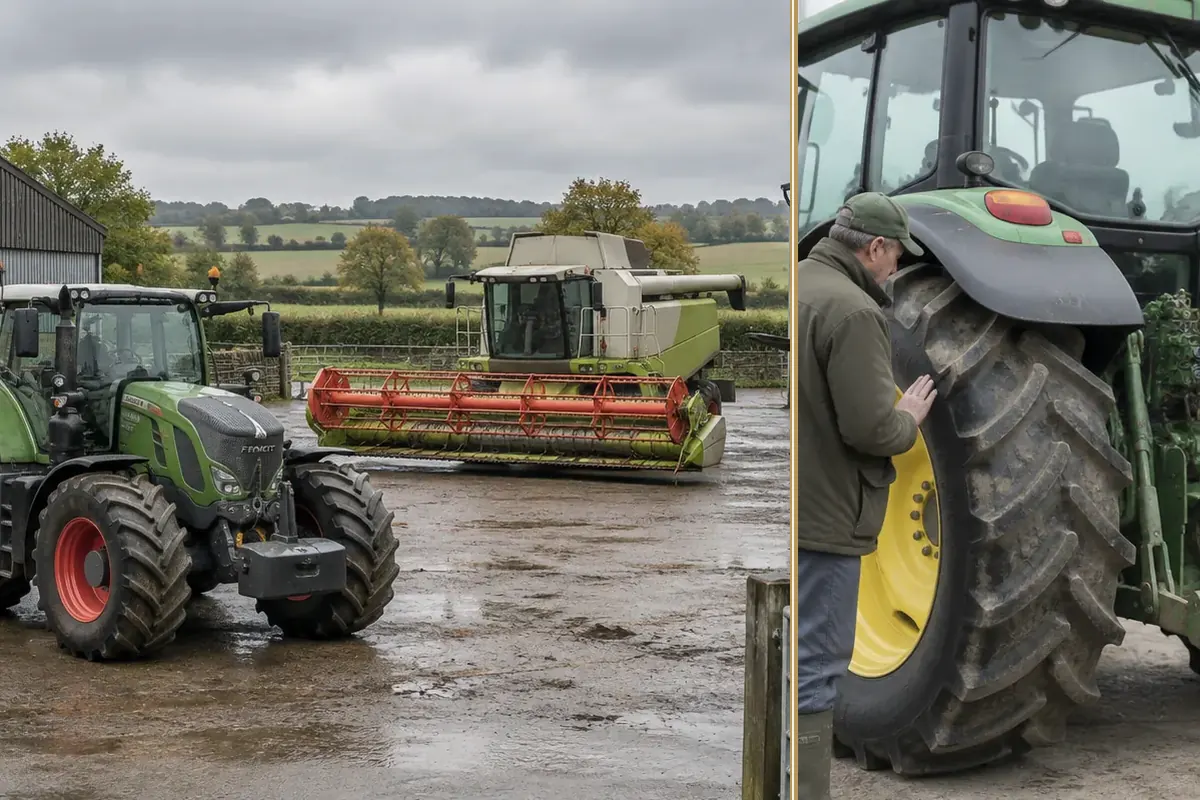
This approach is particularly important for core equipment such as tractors, mowers, utility vehicles and transport units — assets that underpin daily operations.
If you know major equipment will need replacing in the next few years, exploring funding options early provides more flexibility. Buckingham Leasing works with grounds care organisations to structure finance around operational budgets, helping avoid sudden financial shocks.
Costs Up, Margins Tight: How SMEs Are Navigating 2026
Running a Business Has Simply Got More Expensive
If it feels like every bill has gone up over the past few years, you’re not imagining it. Energy, wages, rent, insurance, materials, software subscriptions and finance costs all remain higher than many SMEs were used to before 2020. Even where prices have stabilised, they’ve stabilised at a higher level.
For businesses that rely on physical inputs — construction, manufacturing, logistics, hospitality — the impact is immediate. But service businesses are feeling it too through higher salaries, office costs and supplier price increases.
Passing these costs on isn’t always straightforward. Customers are more price-sensitive, competition is strong and long-term contracts can lock businesses into historic pricing. The result is a margin squeeze where turnover may look healthy but profitability is under pressure.
Many SMEs are responding by reviewing expenses line by line, renegotiating supplier contracts and cutting non-essential spending. Efficiency has become more valuable than growth for its own sake.
If you’re reviewing costs but still need to invest to stay competitive, it can help to explore funding options that spread payments rather than hitting cash reserves all at once. Buckingham Leasing regularly supports businesses facing exactly this balance.

What to check before you commit
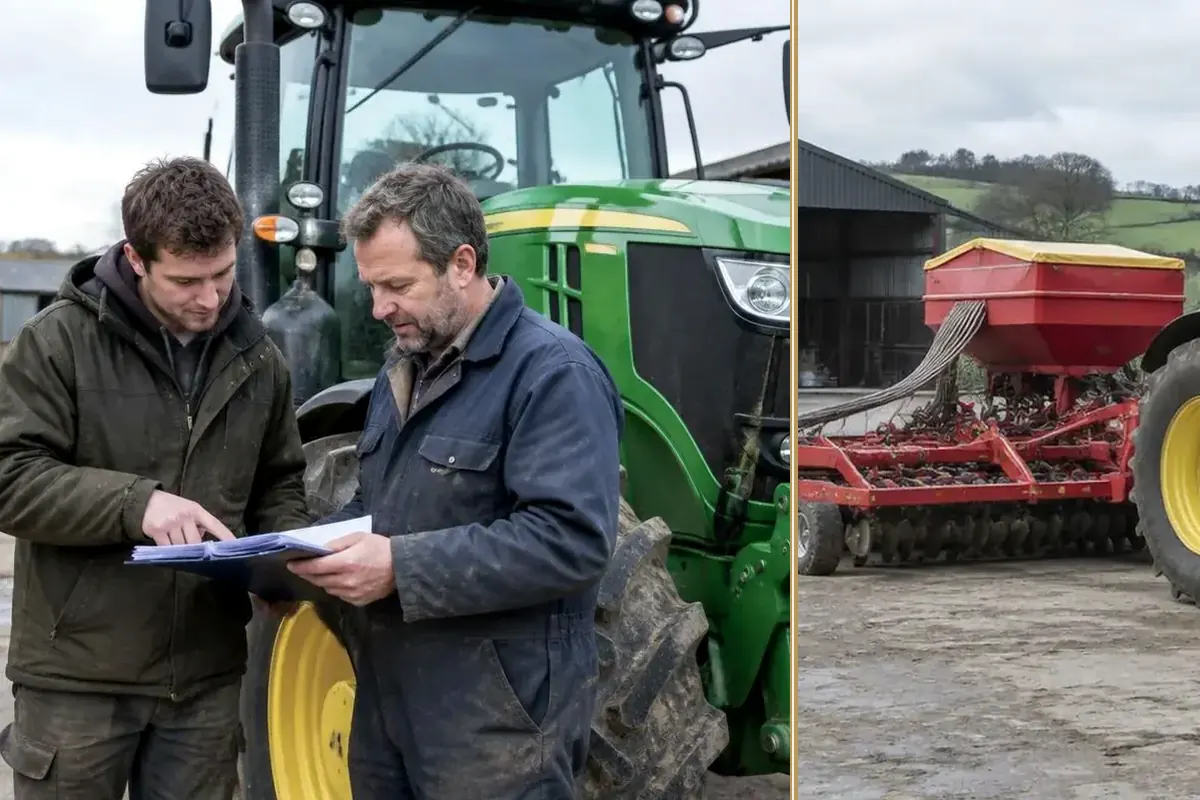
The right answer starts with the farm's own year. A machine that is essential in April may be easiest to pay for after harvest. A livestock business may want a different rhythm again. The finance should follow the income pattern, not the other way round, because the strongest agreement is the one that feels ordinary once the asset is working.
It is also worth separating the price of the machine from the cost of waiting. Repairs, fuel use, contractor bills, missed weather windows and lost capacity can all be more expensive than the monthly payment on properly chosen kit. That does not mean every purchase should go ahead. It means the comparison has to include the real cost of running without it.
How finance should be structured
For most farms, the useful conversation is not simply hire purchase versus lease. It is ownership, VAT timing, seasonal payments, term length, deposit level, part-exchange value and how the agreement sits with tax advice. Those details decide whether the purchase supports cash flow or strains it.
A fixed agreement can give certainty in a year where input prices, grain, milk, stock values and weather all move. The payment becomes one known figure against a set of unknowns. That is often the real value: not just access to the machine, but a calmer way to plan around it.
The Buckingham Leasing view
Avoiding Budget Shocks: Why Preventative Planning Matters More Than Ever should be judged on practical use. Does the asset earn, save, reduce risk or open up work that is otherwise out of reach? If it does, the finance can usually be shaped around the season and the asset's working life. If it does not, waiting is not failure; it is good judgement.
Bring us the machine, supplier quote, expected use and timing. We will put clear figures around the options so you and your advisers can decide with facts rather than hunches.