Markets & Rates
Bank Rate and Equipment Finance: What Changes First?
The Bank of England headline matters, but swap costs, asset appetite and proposal quality can reach your quote first.

In this article
A Bank Rate announcement is easy to follow. The price of an equipment agreement is less direct. Funders consider their own cost of fixed money, the asset, the term and the strength of the business before a figure reaches you.
Watch the quote, not only the headline
A rate decision does not reprice every funder at once. Some have already allowed for an expected move; others review their books later. This is why two sensible quotes can move by different amounts on the same day.

The asset still matters
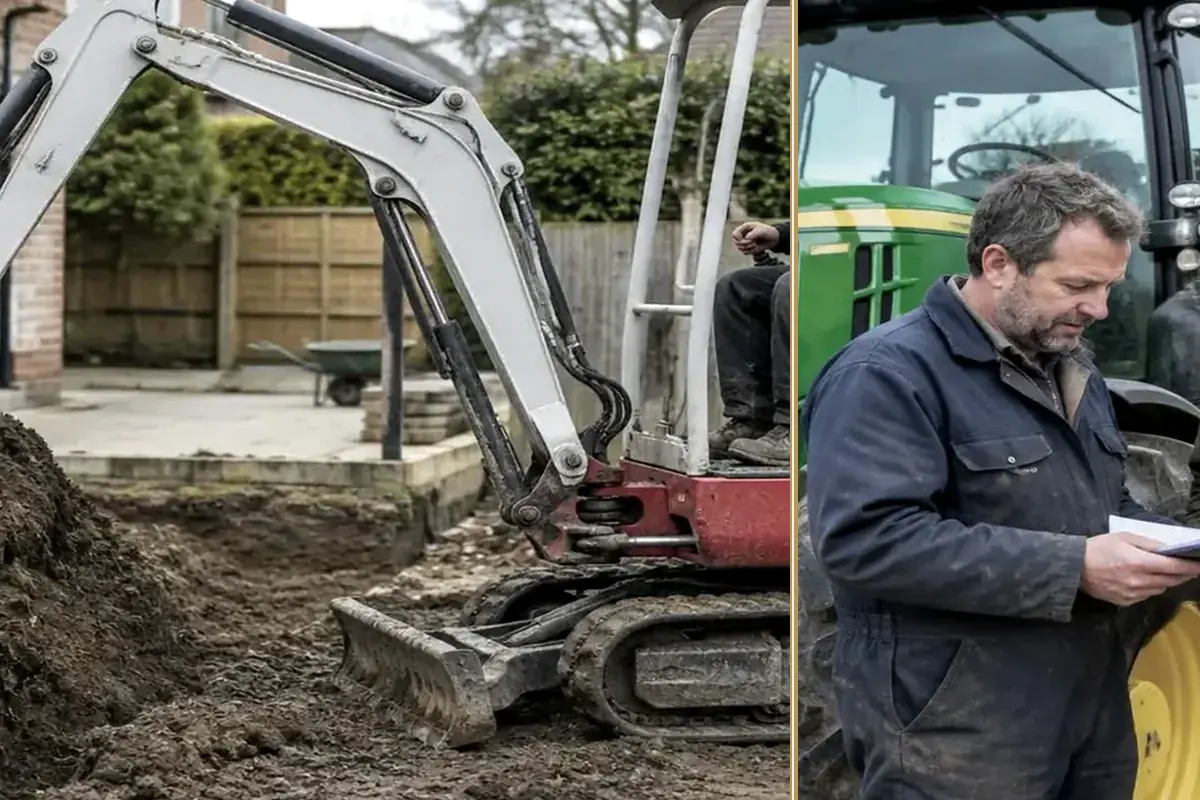
A tractor, mower or excavator with a broad second-hand market generally presents a different risk from specialist technology. Deposit, age, term and likely residual value can move the payment more than a small change in Bank Rate.
Use live figures
If the equipment is needed, ask for a current fixed quote and a clear validity date. Compare that payment with the work, fuel, repairs or downtime the asset will change. That is a business decision rather than a bet on the next committee meeting.
What this means for your next decision
For most SMEs, the pressure is not one single cost. It is the combination: wages, energy, materials, insurance, tax, slower payment and equipment that still needs replacing. In that setting, finance should not be treated as a last-minute way to make a purchase possible. It should be part of how the decision is judged.
The strongest businesses keep cash available for the things they cannot predict and spread the cost of the assets they can. A fixed agreement on machinery or vehicles gives one known monthly figure in a trading environment where plenty of other numbers are moving. That certainty helps with pricing, tendering, budgeting and plain peace of mind.
How to make the numbers useful
Start with what the asset will do. Will it increase output, reduce downtime, cut hire costs, lower fuel use, improve reliability or unlock a contract? Then set that monthly benefit against the finance payment. If the asset earns more than it costs, the decision becomes far clearer. If it does not, the purchase may need a different structure, a used option or a later date.

The mistake is looking only at the headline rate. Term, deposit, VAT timing, residual value, ownership and flexibility can all move the real outcome. A slightly higher rate on a better-shaped agreement can be more useful than a cheap agreement that lands payments in the wrong months.
The Buckingham Leasing view
Bank Rate and Equipment Finance: What Changes First is exactly the kind of decision that benefits from early, plain advice. Send the quote, the asset details and the reason the business needs it. We will come back with the options, explain the trade-offs and keep the process moving without turning it into a lecture.
Next step
If bank rate and equipment finance: what changes first? is on your mind, the useful next step is to put current figures against the real asset. A supplier quote, delivery date, deposit level and basic trading picture are usually enough to show whether the numbers work before you commit.
We will keep that conversation practical. You will get clear options, plain explanations and a structure that fits how the equipment is expected to earn, save or protect cash in your business. If the deal needs a different term, a seasonal profile, a larger deposit or a different funder, we will say so early so you can make a confident decision. That is the point of using a broker: not just a rate, but a structure that still makes sense after the asset arrives.