Insights
The global picture: supply chains, tariffs and UK machinery prices
Most UK kit is priced in someone else's currency and built in someone else's factory. Here is how that reaches your invoice, and what you can do about it.
In this article
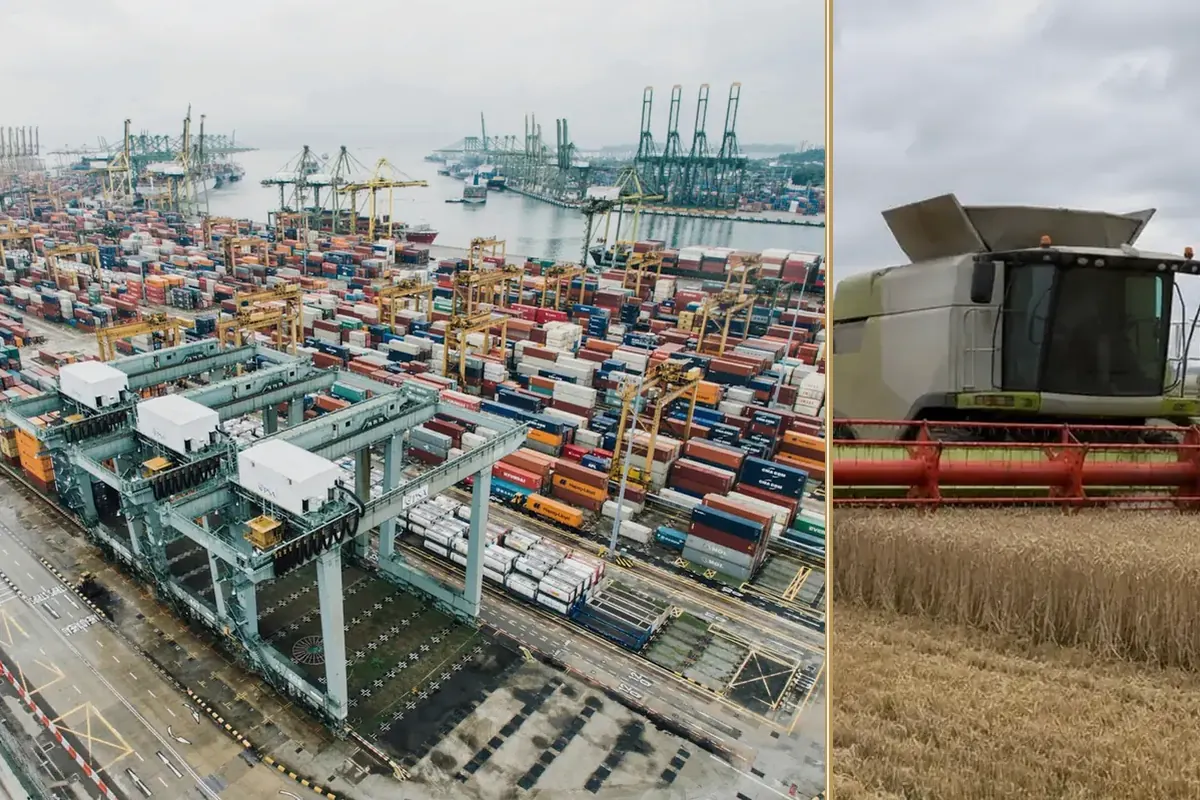
Very little of the machinery on a British farm, golf course or building site is entirely British. Components cross several borders before a machine reaches a dealer's yard, and the price you are quoted carries currency, freight, tariffs and factory lead times inside it.
How it reaches your invoice
Currency. A weaker pound raises the landed cost of imported machines, usually with a lag of a few months as dealers work through stock bought at older rates.
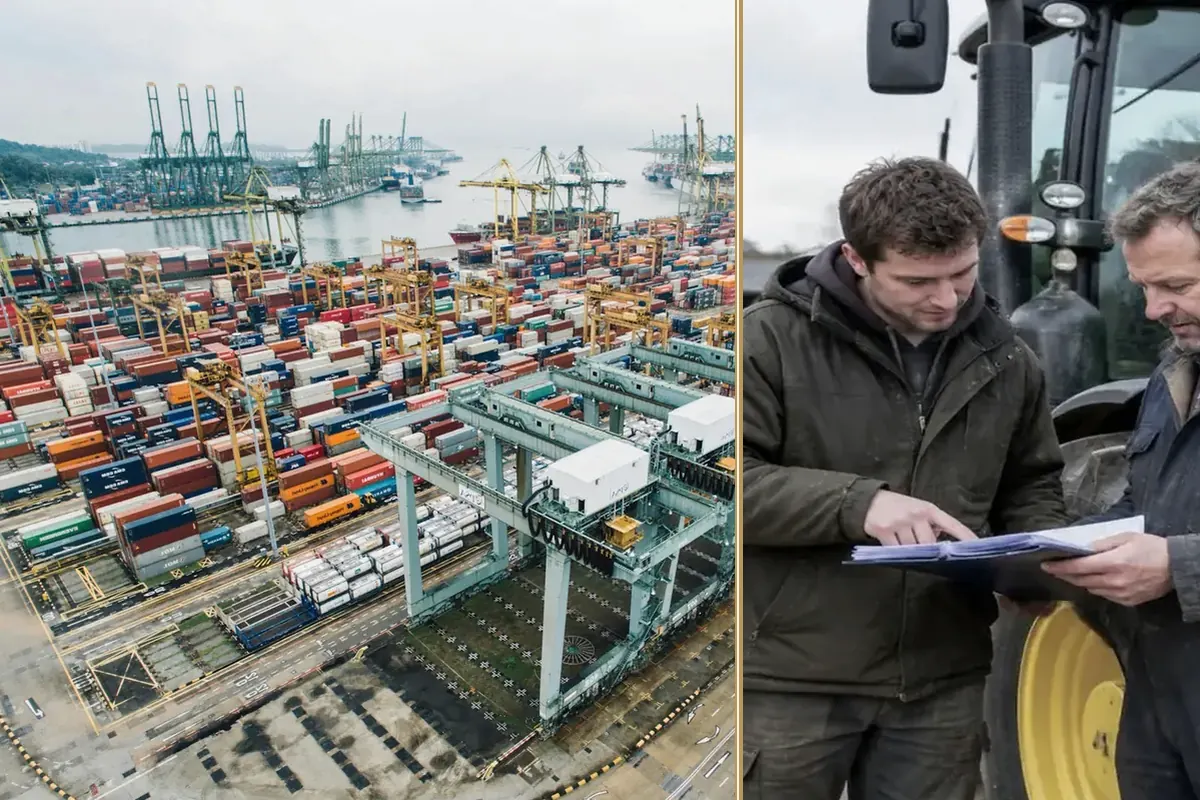
Trade policy. Tariffs and trade frictions add cost to specific categories rather than everything at once. It is worth asking a dealer directly whether a quoted increase is a list price change or a pass-through.
Lead times. When factory queues lengthen, the real cost is not the price rise, it is the season you spend without the machine.
What you can control
- Fix the price and the finance at the same time. A quote held while a rate floats is only half a decision.
- Order earlier for long-lead assets and use a deferred start so you are not paying before delivery.
- Look seriously at good used kit. Where new lead times are long, a well-specified used machine financed over a shorter term often beats waiting.
The steadying point
Global conditions change the price of the machine far more often than they change the availability of funding. Funder appetite for well-run British businesses buying sensible, saleable assets has been consistent through a lot of turbulence.
If a dealer has quoted you a price with a validity date on it, send it over. We will tell you the monthly cost quickly enough for you to act inside the window.
What this means for your next decision
For most SMEs, the pressure is not one single cost. It is the combination: wages, energy, materials, insurance, tax, slower payment and equipment that still needs replacing. In that setting, finance should not be treated as a last-minute way to make a purchase possible. It should be part of how the decision is judged.
The strongest businesses keep cash available for the things they cannot predict and spread the cost of the assets they can. A fixed agreement on machinery or vehicles gives one known monthly figure in a trading environment where plenty of other numbers are moving. That certainty helps with pricing, tendering, budgeting and plain peace of mind.
How to make the numbers useful
Start with what the asset will do. Will it increase output, reduce downtime, cut hire costs, lower fuel use, improve reliability or unlock a contract? Then set that monthly benefit against the finance payment. If the asset earns more than it costs, the decision becomes far clearer. If it does not, the purchase may need a different structure, a used option or a later date.
The mistake is looking only at the headline rate. Term, deposit, VAT timing, residual value, ownership and flexibility can all move the real outcome. A slightly higher rate on a better-shaped agreement can be more useful than a cheap agreement that lands payments in the wrong months.
The Buckingham Leasing view
The global picture: supply chains, tariffs and UK machinery prices is exactly the kind of decision that benefits from early, plain advice. Send the quote, the asset details and the reason the business needs it. We will come back with the options, explain the trade-offs and keep the process moving without turning it into a lecture.