Farming
Harvest Pays Once a Year. The Bills Do Not.
Every industry has cash flow.
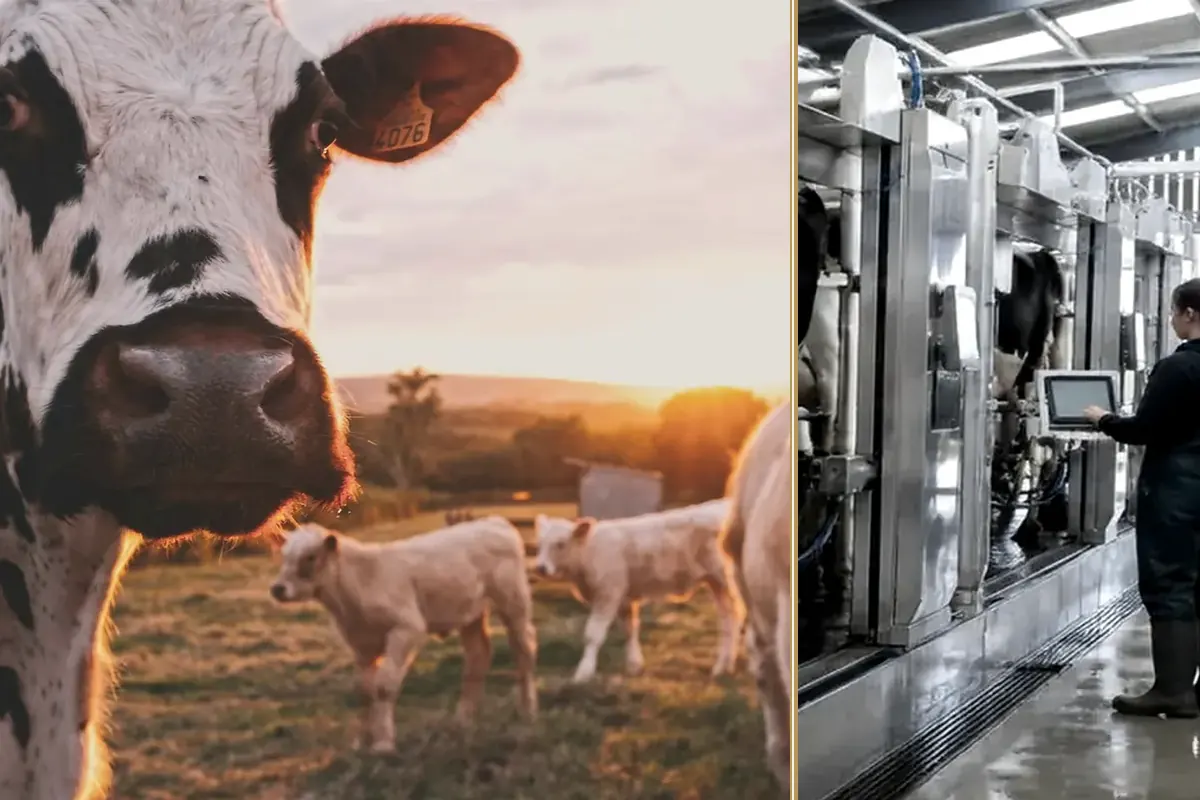
Every industry has cash flow. Farming has cash flow with the difficulty setting turned up.
An arable farm does most of its earning in a few weeks of the year. Livestock income arrives in lumps around sales. Scheme money, whether SFI or Capital Grants, lands on Defra's schedule rather than yours. Meanwhile the outgoings, fuel, feed, wages, insurance, arrive with the dull regularity of any other business, and the big ones, seed, fertiliser, machinery, tend to cluster in the months when the account is at its lowest.
Most industries match income to expenditure monthly. Farming matches them annually, if it is lucky. That mismatch is the quiet cause of a lot of decisions that look like caution but are really just timing.
The machinery decision suffers most. The rational time to buy a drill is before drilling. The comfortable time, cash-wise, is after harvest. Those are different times, and the gap between them is where farms either compromise on kit, delay a purchase into another season, or drain the reserve they were keeping for genuine emergencies.
Standard business finance does not help much here, because standard business finance assumes standard business income. Twelve equal monthly payments make perfect sense for a firm that invoices every month. For a farm, they mean the repayments are lightest relative to income in September and heaviest in March, which is backwards.
This is where it is worth knowing that agricultural finance does not have to work that way. Repayment profiles can be shaped around the farming year:
* Seasonal payments, weighted towards the months after harvest or after key sales, lighter through the spring * Annual or semi-annual structures, one or two payments a year timed to income * Deferred starts, so a machine bought in the spring makes its first payment after it has earned something
The machine works all year either way. The only thing that changes is when the money leaves the account, and choosing that deliberately, rather than accepting a default, is one of the simplest improvements a farm can make to its cash position without changing anything else about the business.

There is a wider point underneath this. A lot of farm financial stress is not really about the total amounts involved. Over a full year, the income covers the costs, or the farm would not still be trading. The stress lives in the sequencing: the fortnight when three big bills land before the grain cheque clears. Smooth the sequencing and the same farm, with the same numbers, feels very different to run.
Fixed monthly costs also make the rest of the year easier to plan. When the machinery bill is a known figure rather than an occasional shock, budgeting for the volatile costs, fuel and fertiliser chief among them, gets simpler, because there is one less variable in the sum.
If you are weighing up a purchase and the sticking point is not whether the kit earns its keep but when the money would have to leave, that is a solvable problem rather than a reason to wait. Buckingham Leasing arranges finance with seasonal and annual payment profiles built around how farms actually earn. Tell us when your income lands and we will shape the agreement around it, so the right machine can arrive when the work needs doing, not when the account happens to allow it.
Planning a wider machinery purchase? Read our complete UK farm machinery finance guide for hire purchase, leasing, seasonal payments, used equipment, approval, VAT and tax considerations.