Farming
The Harvest Replacement Plan: Five Questions Before Ordering
A practical pre-order checklist for farms replacing tractors, handlers, drills or harvest machinery.

In this article
The easiest machinery order is the one planned before the old machine dictates the timetable. These five questions turn a vague replacement idea into a decision that can be financed properly.
What job must the machine improve?
Be precise about output, reliability, labour or fuel. The strongest proposal connects the invoice to a clear operational result.
When does farm income arrive?
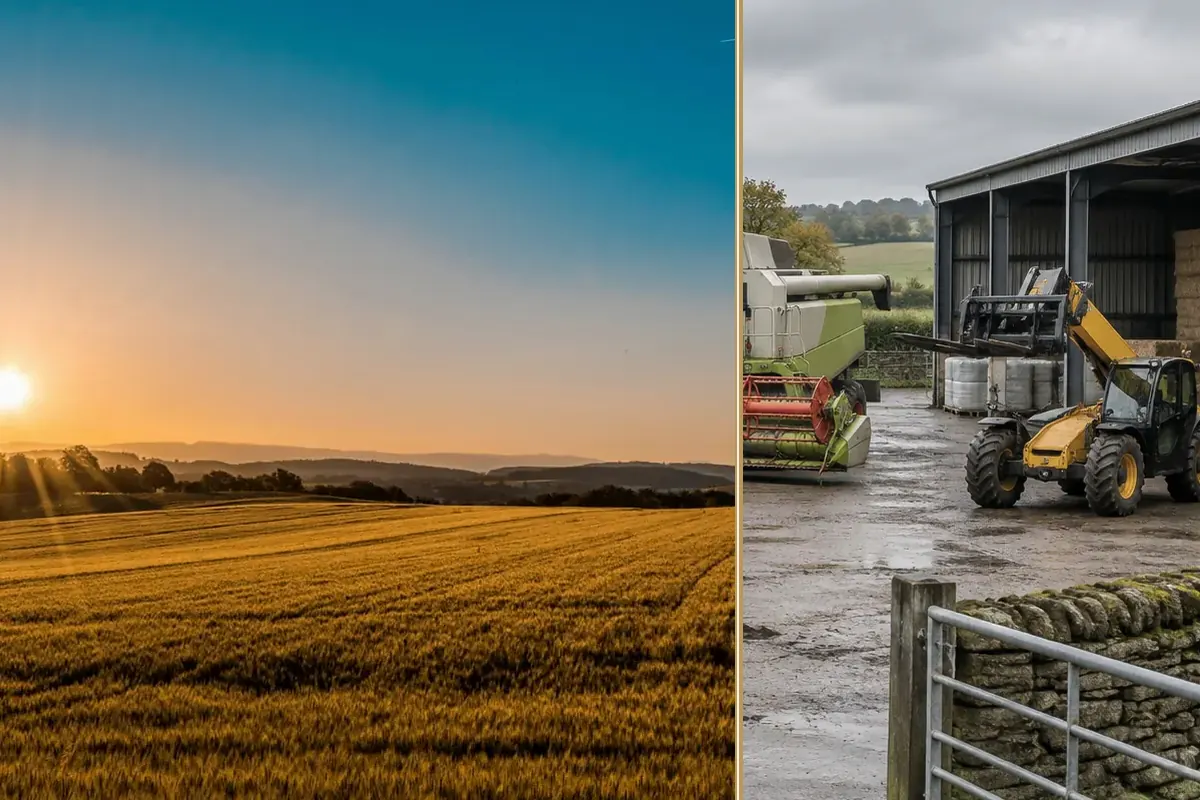
Monthly payments are not compulsory. Seasonal profiles can follow harvest, milk or livestock income when the proposal supports them.
What is the old machine really costing?
Add repairs, downtime and the work being turned away. A paid-for machine is not cost-free.
How long will you keep the replacement?
Match the term to the working life and likely replacement point, not simply the lowest monthly figure.
Who needs to advise before signing?
Bring the accountant into tax questions and the dealer into delivery and warranty. We can keep the finance aligned with both conversations.
What to check before you commit
The right answer starts with the farm's own year. A machine that is essential in April may be easiest to pay for after harvest. A livestock business may want a different rhythm again. The finance should follow the income pattern, not the other way round, because the strongest agreement is the one that feels ordinary once the asset is working.
It is also worth separating the price of the machine from the cost of waiting. Repairs, fuel use, contractor bills, missed weather windows and lost capacity can all be more expensive than the monthly payment on properly chosen kit. That does not mean every purchase should go ahead. It means the comparison has to include the real cost of running without it.
How finance should be structured
For most farms, the useful conversation is not simply hire purchase versus lease. It is ownership, VAT timing, seasonal payments, term length, deposit level, part-exchange value and how the agreement sits with tax advice. Those details decide whether the purchase supports cash flow or strains it.
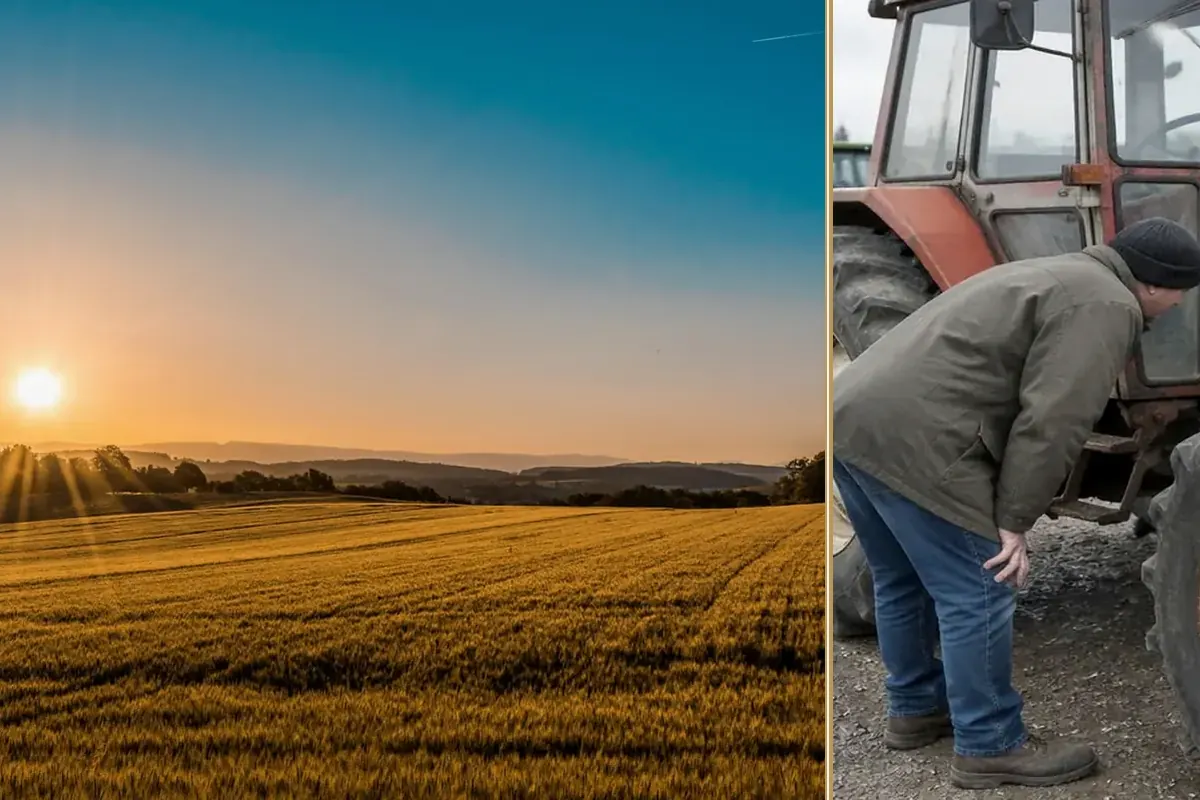
A fixed agreement can give certainty in a year where input prices, grain, milk, stock values and weather all move. The payment becomes one known figure against a set of unknowns. That is often the real value: not just access to the machine, but a calmer way to plan around it.
The Buckingham Leasing view
The Harvest Replacement Plan: Five Questions Before Ordering should be judged on practical use. Does the asset earn, save, reduce risk or open up work that is otherwise out of reach? If it does, the finance can usually be shaped around the season and the asset's working life. If it does not, waiting is not failure; it is good judgement.
Bring us the machine, supplier quote, expected use and timing. We will put clear figures around the options so you and your advisers can decide with facts rather than hunches.
Next step
If the harvest replacement plan: five questions before ordering is on your mind, the useful next step is to put current figures against the real asset. A supplier quote, delivery date, deposit level and basic trading picture are usually enough to show whether the numbers work before you commit.
We will keep that conversation practical. You will get clear options, plain explanations and a structure that fits how the equipment is expected to earn, save or protect cash in your business. If the deal needs a different term, a seasonal profile, a larger deposit or a different funder, we will say so early so you can make a confident decision. That is the point of using a broker: not just a rate, but a structure that still makes sense after the asset arrives.
Planning a wider machinery purchase? Read our complete UK farm machinery finance guide for hire purchase, leasing, seasonal payments, used equipment, approval, VAT and tax considerations.