Farming
How Strong UK Farms Are Still Staying Profitable in 2026
2026 hasn’t been easy, but plenty of farms are still making money. The difference is how they’re doing it. Profit is coming less from bumper yields and more from tight management, multiple income stre
In this article
2026 hasn’t been easy, but plenty of farms are still making money. The difference is how they’re doing it. Profit is coming less from bumper yields and more from tight management, multiple income streams and avoiding expensive mistakes.
Farm Business Income figures show a huge gap between top and average performers in the same sector. The farms doing well aren’t necessarily the biggest — they’re the most controlled.
Cutting Waste, Not Cutting Output
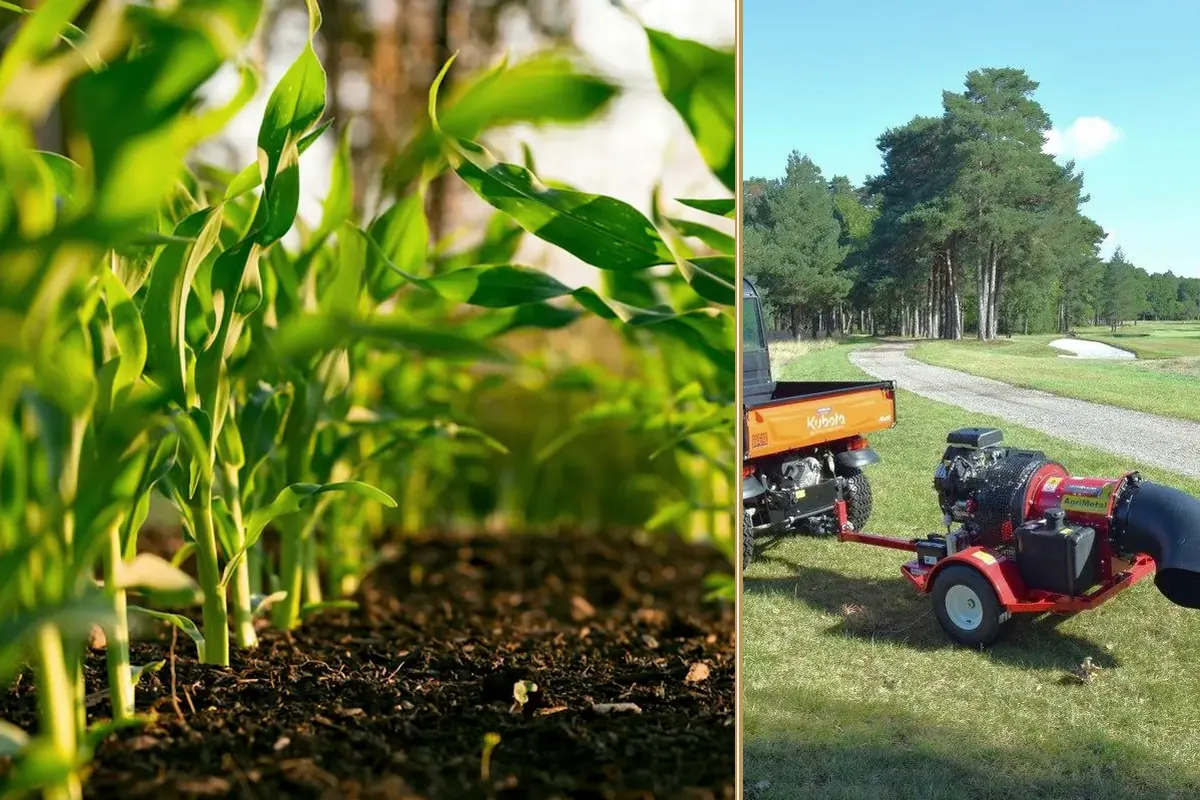
Fertiliser remains one of the biggest costs on arable farms. Even though prices have eased from peak levels, they’re still far above what many businesses were used to five years ago. Precision spreading, soil testing and variable-rate application are helping some farms cut usage without hurting yields. Across large acreages, even a small reduction can save tens of thousands of pounds.
Not Relying on Farming Alone
More farms now rely on additional income streams to smooth out volatility. Common ones in 2026 include:
- Renewable energy (solar, AD, battery storage)
- Grain storage and commercial lets
- Contracting work
- Tourism or farm diversification
- Environmental scheme payments
These don’t replace core farming income, but they provide stability when commodity prices dip or yields disappoint.
Cash Is the Real Safety Net
The strongest businesses are protecting working capital. Having cash available allows you to buy inputs at the right time, cope with breakdowns and avoid panic borrowing.
If you’re weighing up whether to invest in equipment this year or hold off, it can help to talk it through. Buckingham Leasing works with farms every day on exactly these decisions — feel free to get in touch for a straightforward conversation.
What to check before you commit
The right answer starts with the farm's own year. A machine that is essential in April may be easiest to pay for after harvest. A livestock business may want a different rhythm again. The finance should follow the income pattern, not the other way round, because the strongest agreement is the one that feels ordinary once the asset is working.
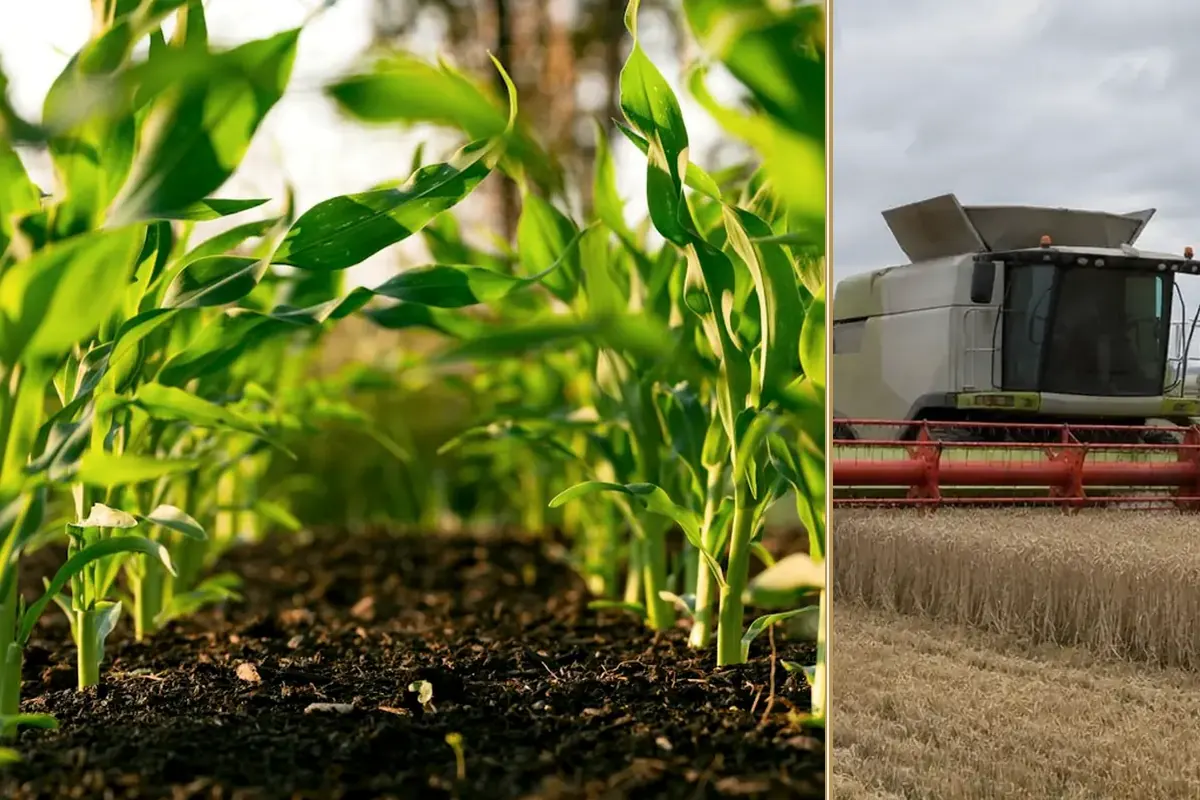
It is also worth separating the price of the machine from the cost of waiting. Repairs, fuel use, contractor bills, missed weather windows and lost capacity can all be more expensive than the monthly payment on properly chosen kit. That does not mean every purchase should go ahead. It means the comparison has to include the real cost of running without it.
How finance should be structured
For most farms, the useful conversation is not simply hire purchase versus lease. It is ownership, VAT timing, seasonal payments, term length, deposit level, part-exchange value and how the agreement sits with tax advice. Those details decide whether the purchase supports cash flow or strains it.
A fixed agreement can give certainty in a year where input prices, grain, milk, stock values and weather all move. The payment becomes one known figure against a set of unknowns. That is often the real value: not just access to the machine, but a calmer way to plan around it.
The Buckingham Leasing view
How Strong UK Farms Are Still Staying Profitable in 2026 should be judged on practical use. Does the asset earn, save, reduce risk or open up work that is otherwise out of reach? If it does, the finance can usually be shaped around the season and the asset's working life. If it does not, waiting is not failure; it is good judgement.
Bring us the machine, supplier quote, expected use and timing. We will put clear figures around the options so you and your advisers can decide with facts rather than hunches.