Farming
Machinery, the £2.5m Cap and Handing the Farm On
From 6 April 2026, the rules on passing a farm to the next generation changed.

From 6 April 2026, the rules on passing a farm to the next generation changed. Agricultural Property Relief and Business Property Relief now give full inheritance tax relief on qualifying assets up to a combined £2.5 million per person, with reduced relief above that line. A couple can pass on up to £5 million between them before the new charge bites.
The government's own figures suggest most farming estates will fall under the threshold. But "most" is doing some work in that sentence, and land values being what they are, plenty of family farms will find themselves closer to £2.5 million than they expected once land, buildings, livestock and machinery are added up.
That last item is the one this post is about. Machinery counts.

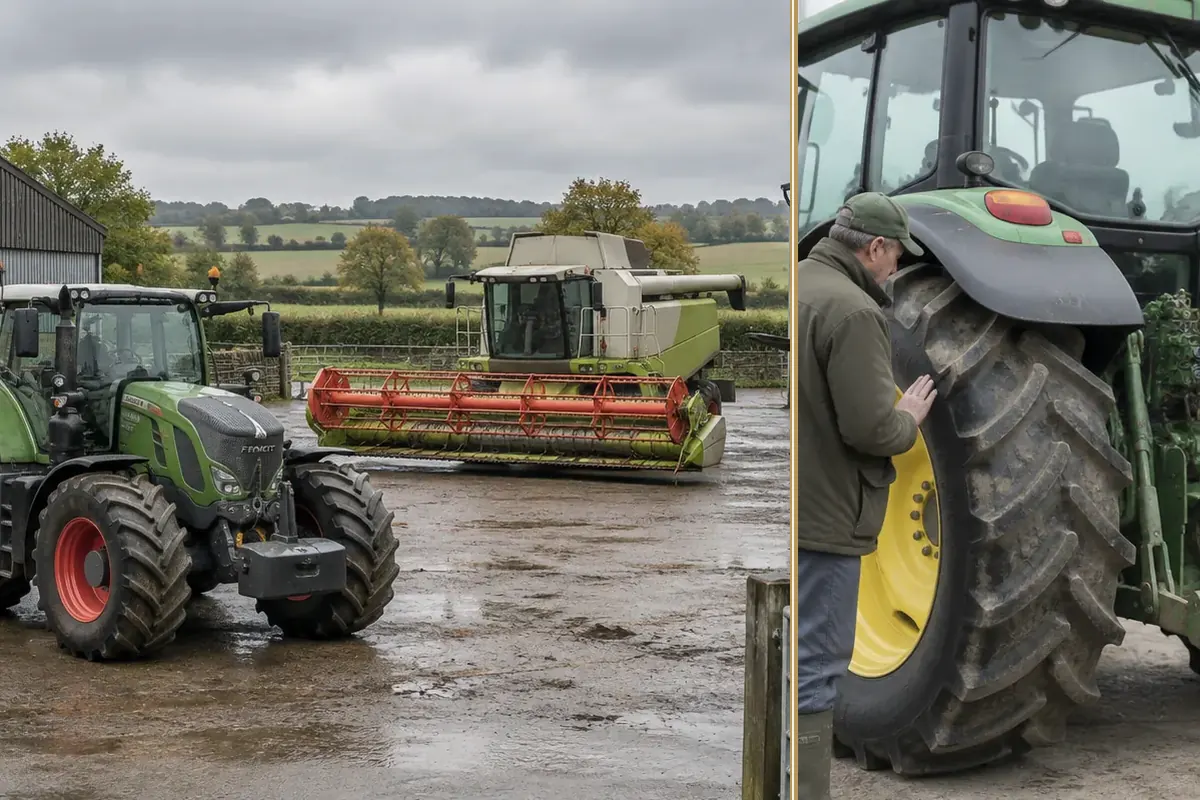
A modern combine can be worth more than £400,000. A frontline tractor, £150,000 or more. Add a drill, a sprayer, a telehandler, trailers and the rest, and a well-equipped arable farm can easily be carrying seven figures of machinery value on top of its land. Every pound of it sits inside the estate for inheritance tax purposes, and every pound of owned kit uses up threshold that could otherwise shelter land.
This is not an argument for owning less machinery. It is an argument for thinking about how machinery is held, because the same working kit can sit on the balance sheet in different ways.
Equipment bought outright is an asset of the estate at its market value. Equipment on finance is different: the asset appears, but so does the corresponding liability, and it is broadly the net position that matters. A £300,000 combine with £250,000 outstanding against it contributes far less to the estate than the same combine owned outright. Debt, used deliberately, reduces the taxable weight of the machinery fleet while the farm keeps full use of every machine.

There is also the succession-planning angle. Families restructuring ahead of the new rules, moving land between spouses, updating wills, considering lifetime transfers, often find that cash is needed at exactly the wrong moment: professional fees, perhaps a payment to a sibling stepping away from the business, perhaps simply keeping the farm liquid while ownership changes hands. Refinancing machinery the farm already owns is one of the cleaner ways to release that cash without selling anything that matters.
The usual caveat applies, and it is not a throwaway line here: inheritance tax planning is specialist territory, the rules on reliefs and lifetime gifts have traps in them, and nothing in this post is advice. Your accountant and solicitor should be leading this conversation, and if the farm may be anywhere near the threshold, that conversation should be happening now rather than later. Planning structures take time to put in place, and they can only be put in place while the people involved are able to act.
What we can say is this. When the professionals have set the strategy, the machinery fleet is one of the levers available, and finance is how that lever gets pulled. Whether that means funding the next purchase rather than paying cash, or releasing equity from kit already in the yard, the mechanics are straightforward and quick to price.
Buckingham Leasing works alongside farms and their advisers on exactly this. If succession is on the agenda and the machinery list is long, ask us what the options look like. It costs nothing to find out, and it is one more piece of the picture your adviser will thank you for having ready.