Business & Dealers
Paid Late, Again: Keeping Working Capital Working
Late payment is the background radiation of small business life in the UK.
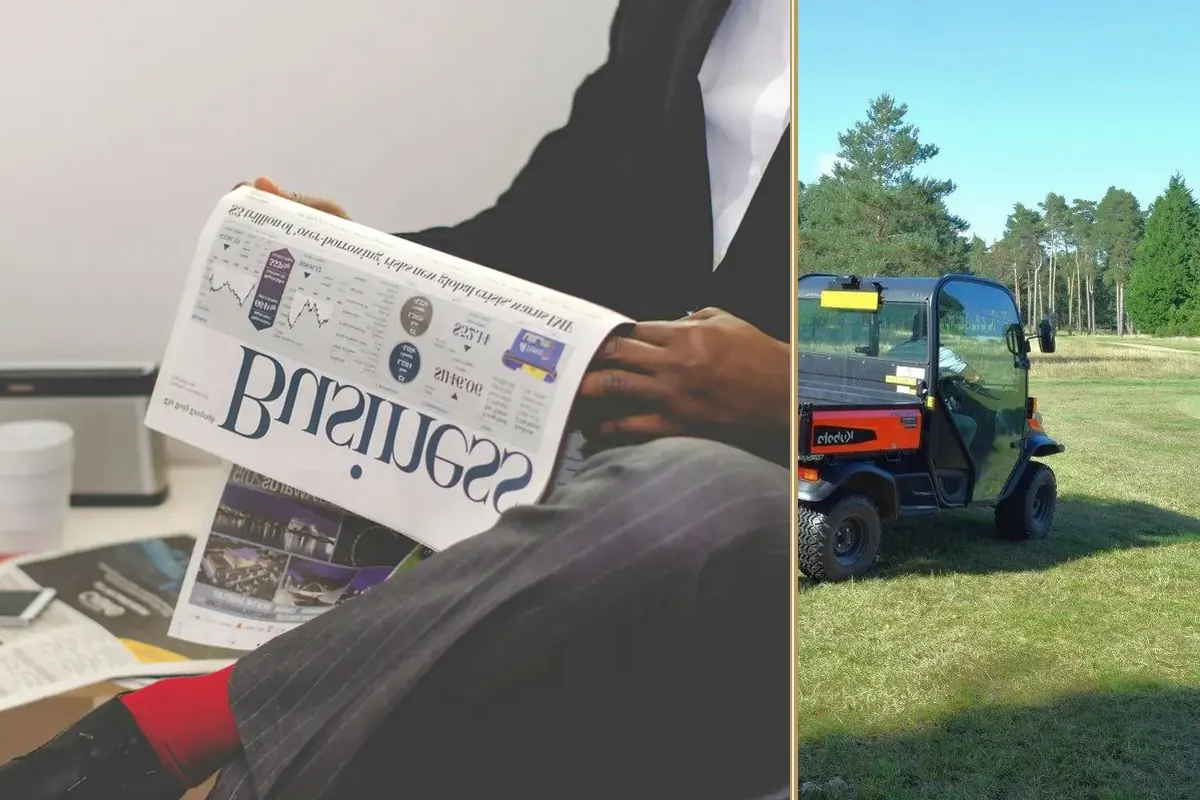
Late payment is the background radiation of small business life in the UK. The averages shift year to year, but the picture holds: SMEs collectively carry tens of billions of pounds in overdue invoices, typical payment delays run weeks past terms, and the smaller the supplier, the longer they wait. Larger customers pay late not out of malice, usually, but because their processes are slow and their power position lets them be. The cost rolls downhill and stops at businesses like yours.
The damage is rarely the headline bad debt. It is the chronic strain: profitable work, healthy order book, and a bank balance permanently tighter than the P&L says it should be, because a slice of every month's revenue is sitting in someone else's accounts payable queue. Businesses in this position make worse decisions on every front, taking work for cash flow rather than margin, delaying investment they can plainly justify, leaning on the overdraft as a way of life.

The direct defences are well documented and worth running properly: credit-check new customers, tighten terms in writing, invoice immediately and accurately, chase early and politely, charge statutory interest where the relationship can bear it, and consider invoice finance where the debtor book itself is the asset worth funding. All good hygiene, all partial. Even a well-run credit function cannot make a plc's payment run move faster than it moves.
Which is why the second half of the defence matters as much as the first: structure the rest of your outgoings so that late payment hurts less when it happens. And the biggest, lumpiest, most controllable outgoing in most SMEs is equipment.
Consider what an outright equipment purchase does to a business already absorbing late payments. It removes, in one stroke, exactly the reserve that was cushioning the delays. The business has traded its shock absorber for a machine, and the next slow-paying month lands directly on the overdraft. Now consider the financed alternative: the same machine, the reserve intact, and in place of one large outflow a fixed monthly payment, a number that can be planned around, priced into jobs, and covered even in a month when two big invoices arrive late. Predictable outgoings are the natural counterweight to unpredictable income. A business whose costs are smooth can survive customers whose payments are not.
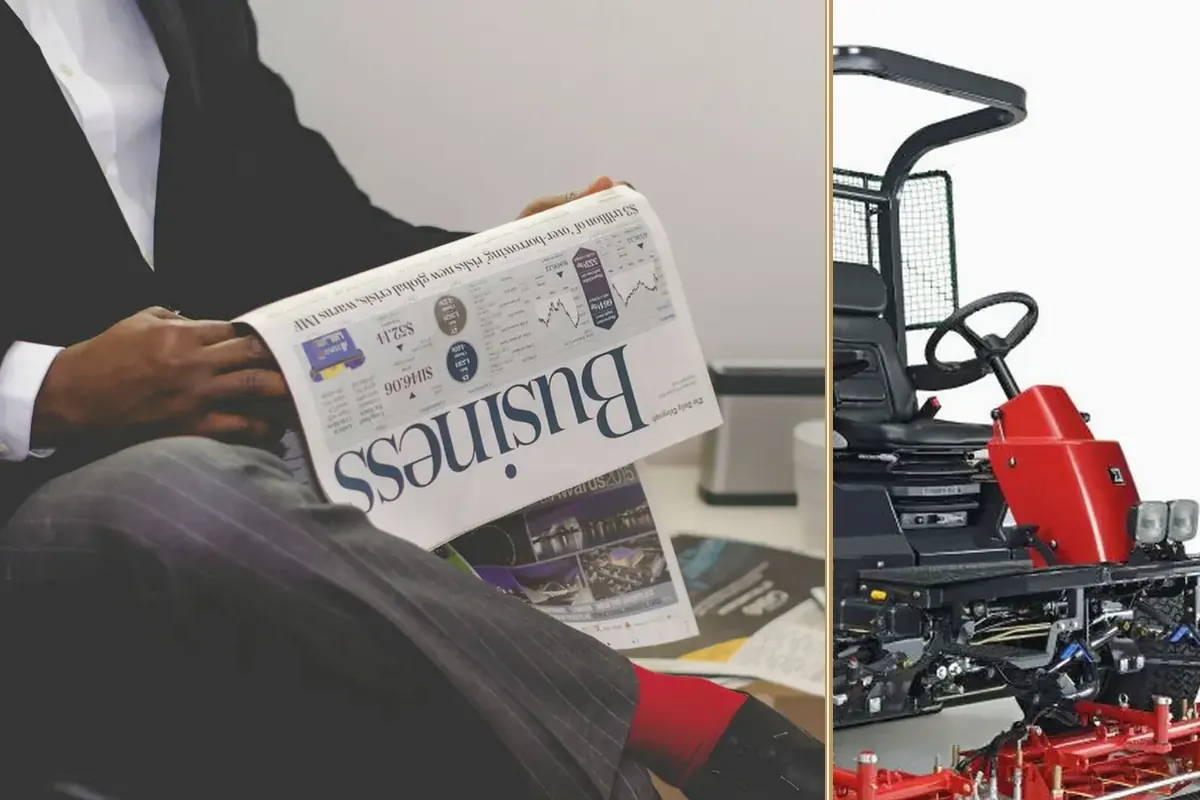
This is also the argument for financing rather than cash-buying even when the cash exists, in any business exposed to concentrated customers or public-sector payment cycles. The reserve is not idle money; it is the self-insurance policy against the payment behaviour of people you cannot control. Spending it on equipment cancels the policy at the moment of maximum exposure.
One further tool belongs in this conversation: where the damage is already done, where reserves have been drained by a bad run of slow payment, refinancing equipment the business owns can rebuild the buffer, converting owned assets back into working capital on fixed terms. It is the recovery version of the same principle: keep the kit working, keep the cash liquid.
Late payment is not a problem any single SME will solve. It can be a problem your business is built to withstand. Buckingham Leasing helps on the outgoings side of that resilience, financing new equipment so reserves stay whole, and refinancing owned assets when the buffer needs rebuilding. If your customers will not pay on time, your equipment costs, at least, can arrive on a schedule you chose.