Farming
Replace or Repair? Making Smarter Machinery Decisions on the Farm
Repairs feel cheaper than replacement, especially when cash is tight. But breakdowns don’t respect timing, and lost hours during a busy spell can cost more than the fix itself.

In this article
Every farm has a machine that’s “still going” — until it isn’t.
Repairs feel cheaper than replacement, especially when cash is tight. But breakdowns don’t respect timing, and lost hours during a busy spell can cost more than the fix itself.
In today’s climate, machinery decisions aren’t just mechanical — they’re financial.

The Real Cost of Hanging On
Older kit often brings:
- More frequent repairs
- Unpredictable downtime
- Missed weather windows
- Higher fuel use
- Stress when timing matters most
Those costs don’t always show up neatly in the accounts — but they’re felt on the ground.
When Replacement Makes Sense
Replacement starts to stack up when:
- Repairs are becoming routine
- Downtime risks missing critical work
- New equipment improves efficiency or output
- Reliability matters more than ownership
The question isn’t “can it be fixed?” — it’s “can we afford the risk?”
Timing Is Everything
The biggest mistake isn’t replacing machinery — it’s replacing it at the wrong moment.
Large upfront payments can drain cash just when it’s needed elsewhere. That’s where finance structure matters more than the sticker price.
Leasing allows farms to:
- Upgrade without a big cash hit
- Spread costs across productive use
- Align repayments with income cycles
- Keep reserves intact
It turns a big decision into a manageable one.
Control Over Ownership
Owning outright isn’t always the priority. Reliability, uptime and cash flow usually matter more.
Flexible finance gives access to dependable machinery without putting the rest of the business under pressure.
A Practical View
There’s no one-size-fits-all answer. But smarter decisions come from looking at timing, risk and cash flow — not just repair bills.
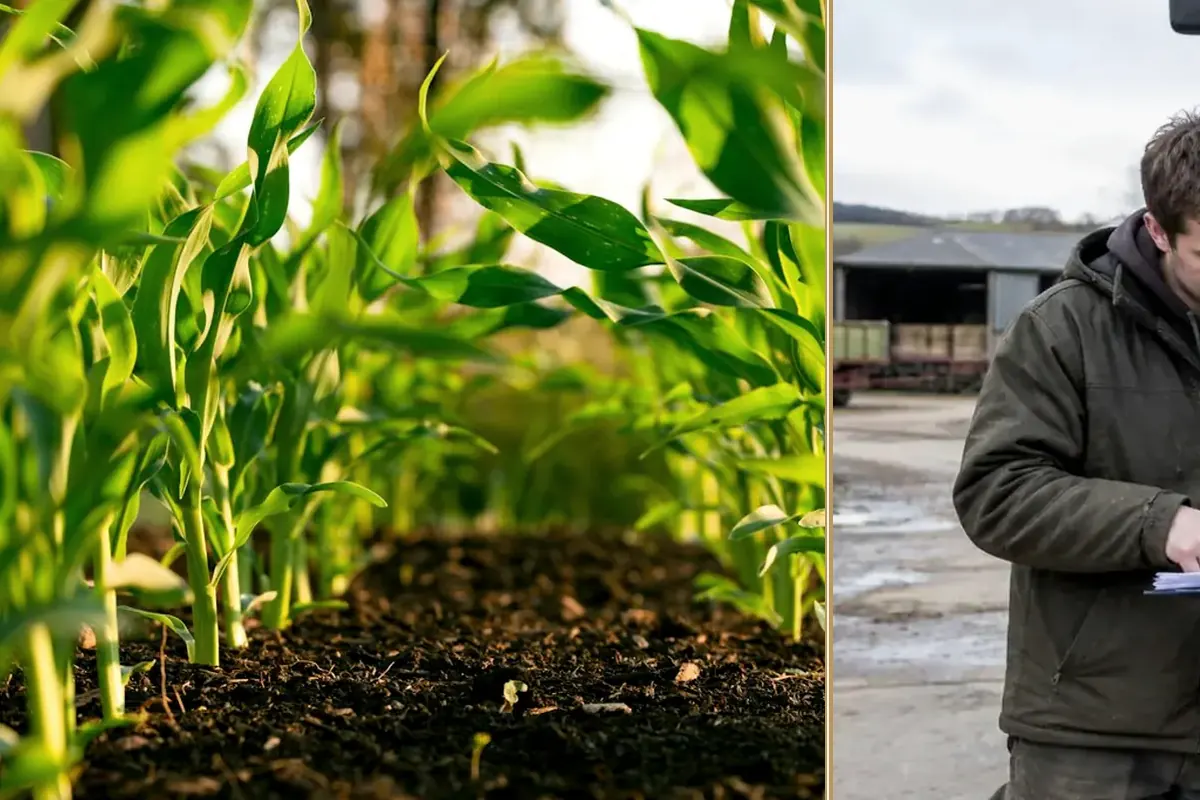
In farming, keeping things moving often matters more than keeping things old.
What to check before you commit
The right answer starts with the farm's own year. A machine that is essential in April may be easiest to pay for after harvest. A livestock business may want a different rhythm again. The finance should follow the income pattern, not the other way round, because the strongest agreement is the one that feels ordinary once the asset is working.
It is also worth separating the price of the machine from the cost of waiting. Repairs, fuel use, contractor bills, missed weather windows and lost capacity can all be more expensive than the monthly payment on properly chosen kit. That does not mean every purchase should go ahead. It means the comparison has to include the real cost of running without it.
How finance should be structured
For most farms, the useful conversation is not simply hire purchase versus lease. It is ownership, VAT timing, seasonal payments, term length, deposit level, part-exchange value and how the agreement sits with tax advice. Those details decide whether the purchase supports cash flow or strains it.
A fixed agreement can give certainty in a year where input prices, grain, milk, stock values and weather all move. The payment becomes one known figure against a set of unknowns. That is often the real value: not just access to the machine, but a calmer way to plan around it.
The Buckingham Leasing view
Replace or Repair? Making Smarter Machinery Decisions on the Farm should be judged on practical use. Does the asset earn, save, reduce risk or open up work that is otherwise out of reach? If it does, the finance can usually be shaped around the season and the asset's working life. If it does not, waiting is not failure; it is good judgement.
Bring us the machine, supplier quote, expected use and timing. We will put clear figures around the options so you and your advisers can decide with facts rather than hunches.
Planning a wider machinery purchase? Read our complete UK farm machinery finance guide for hire purchase, leasing, seasonal payments, used equipment, approval, VAT and tax considerations.