Groundscare & Sport
Staffing Shortages Are Forcing Grounds Teams to Work Smarter
Recruiting skilled grounds staff remains difficult in 2026. Many teams are operating below ideal staffing levels, while demand for services has not reduced. Seasonal peaks — spring growth or autumn le
In this article
Fewer Hands, Same Workload
Recruiting skilled grounds staff remains difficult in 2026. Many teams are operating below ideal staffing levels, while demand for services has not reduced. Seasonal peaks — spring growth or autumn leaf fall — place additional strain on already stretched crews.
Overtime and contractor support can fill gaps, but both increase costs. In public-sector environments, budget constraints may limit these options, leaving teams to prioritise tasks carefully.
Productivity Is Now the Priority
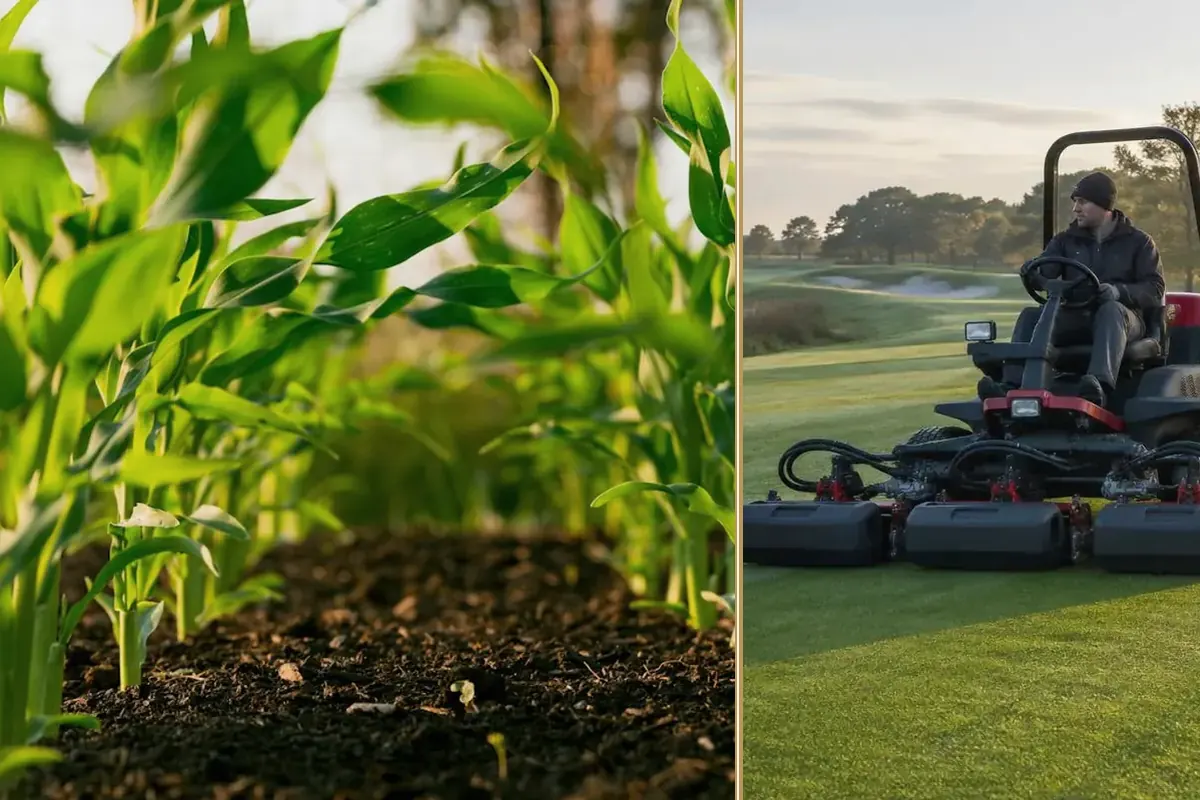
Organisations coping best are focusing on doing more per hour rather than simply trying to add staff. Strategies include:
- Using equipment with larger cutting widths or faster operating speeds
- Scheduling work to reduce repeat visits
- Prioritising high-risk or high-visibility areas first
- Investing in multi-purpose machinery
Modern equipment can allow smaller teams to maintain the same area to a high standard, reducing long-term labour pressure.
Retention Matters Too
Keeping experienced staff is often easier than recruiting new ones. Teams are investing in training, safer working conditions and better equipment to reduce fatigue and improve job satisfaction. Reliable machinery also makes roles more manageable, especially during busy periods.
If staffing constraints are affecting what your team can deliver, upgrading equipment can sometimes provide the biggest productivity boost. Buckingham Leasing can help spread the cost, making investment achievable without exceeding annual budgets.
What this means on the ground
Groundscare and sport rarely fail because the need is unclear. The surface, course, park or facility has to be maintained whether budgets feel comfortable or not. The decision is usually about timing: replacing kit before reliability slips, adding capacity before a contract starts, or moving to newer equipment without tying up reserves.

That is why the finance structure matters as much as the machine. Seasonal income, committee approvals, public-sector budgets and contract start dates all create their own pressures. A neat monthly payment may be right for one organisation and wrong for another. The agreement should match how the work is paid for.
Questions worth asking early
Before signing, ask whether the equipment will be used all year or seasonally, whether it is likely to be replaced on a cycle, and whether ownership at the end is genuinely valuable. For clubs and contractors, also ask what downtime would cost in lost fixtures, complaints, contract penalties or emergency hire.
Those questions often make the answer clearer. Hire purchase may suit long-term workhorse machines. Leasing may suit kit that should refresh regularly. A mixed fleet can use both. The point is to choose deliberately, with the monthly cost built into the budget or the tender from the start.
The Buckingham Leasing view
Staffing Shortages Are Forcing Grounds Teams to Work Smarter is ultimately about keeping standards high without making the cash position fragile. The best finance is boring once it is in place: fixed, understood, and matched to the income the equipment helps protect.
If you are planning a fleet change, pitch upgrade, utility vehicle order or contractor expansion, send us the outline. We will give you practical figures and a structure you can put in front of the people making the decision.