Farming
The Old Tractor Will Fail. The Question Is When.
Every farm has one: the machine that owes nothing, has done the hours twice over, and keeps going on familiarity and luck.
Every farm has one: the machine that owes nothing, has done the hours twice over, and keeps going on familiarity and luck. Keeping it running feels like thrift. Some years it genuinely is. But there is a point where an ageing machine stops being cheap and starts being a risk with a fuel tank, and the difficult part is that the point is only obvious in hindsight.
The visible costs of old kit are easy to track: repairs climbing year on year, parts getting scarcer, dealer time booked further out, fuel burn a generation behind. Most farms watch these numbers and reason that another £4,000 of repairs still beats a new machine. Taken alone, that logic holds.
What it misses is that breakdowns do not schedule themselves for quiet weeks. Machinery fails under load, which means it fails during the work that matters: drilling, silage, harvest. And the cost of failure in those windows has almost nothing to do with the repair bill.
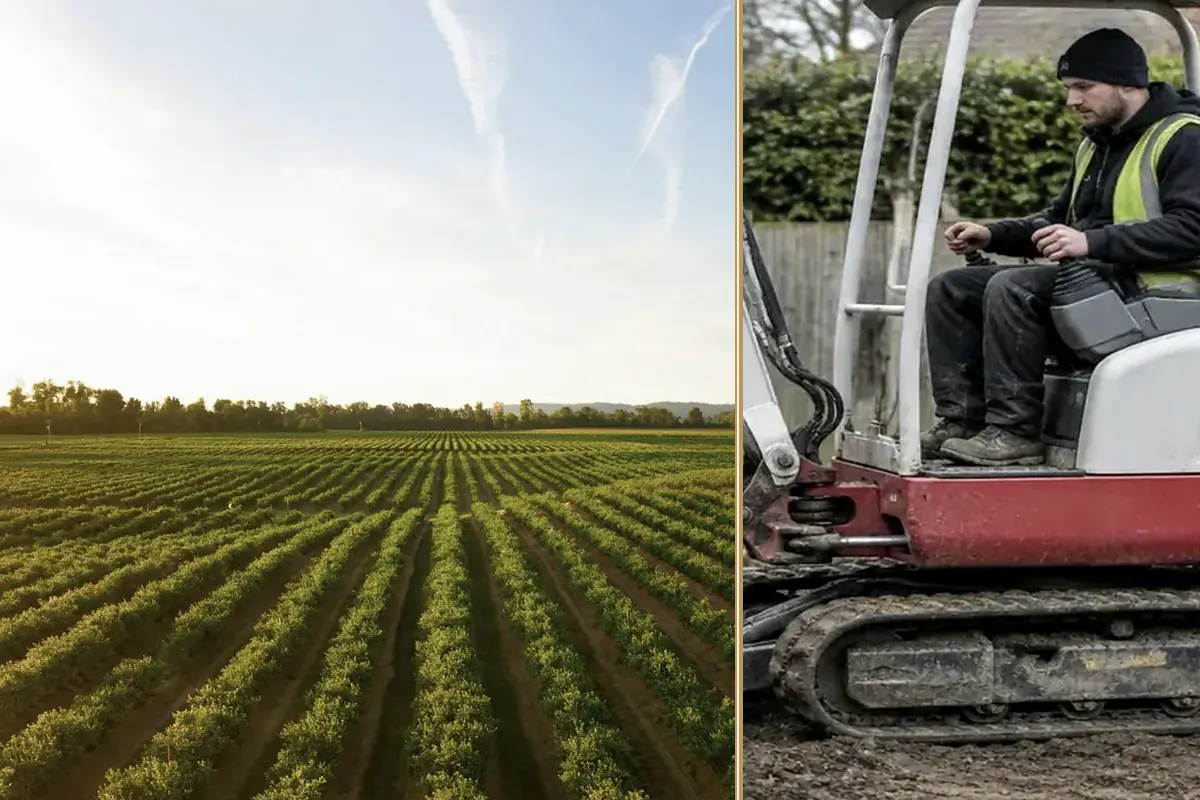
A tractor down for four days in February is an annoyance. The same failure in the middle of drilling costs the delay itself, the emergency contractor at emergency rates if one can even be found, and the yield penalty of crops going in late, which is invisible on any invoice but real in the tank next autumn. A combine failure in a wet harvest is worse again. The true cost of unreliable kit is concentrated almost entirely into the handful of weeks when the farm earns its living, which is precisely when the repair-bill accounting fails.
So the question is not "can we keep it going another year?" The answer to that is nearly always yes. The question is "what is it worth to know the work will get done on time?" and that question has a different answer.
There is also the exit-value problem. A machine run to destruction is worth scrap. The same machine traded a year or two earlier retains real value, which comes straight off the cost of its replacement. Waiting for the final failure means paying full price at the worst moment, under pressure, with no trade-in and no time to shop. Farms that replace on a plan buy well. Farms that replace at the roadside buy whatever is available.
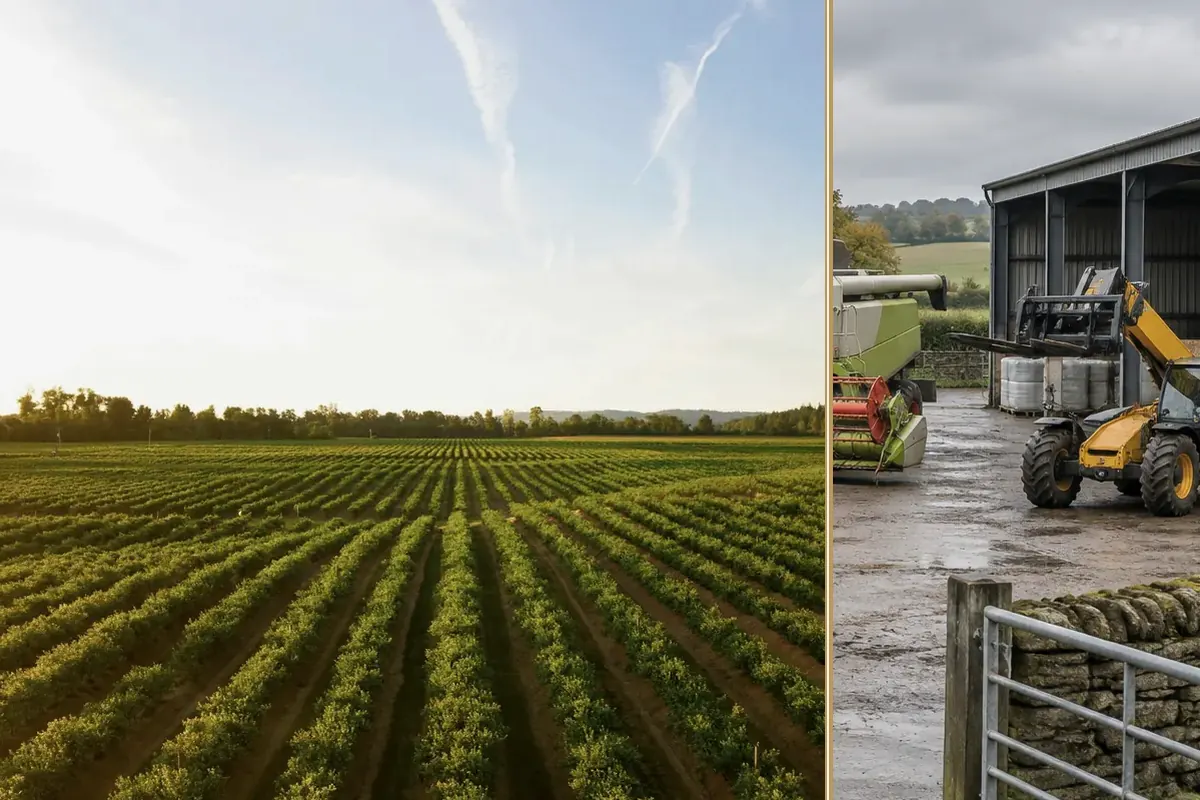
The reason farms wait, of course, is the outlay. A replacement is a large cheque, the old machine still starts most mornings, and there is always a more urgent claim on the cash. This is exactly the decision finance exists to unstick. Spreading the cost turns the replacement from a capital event into a running cost, a fixed monthly figure that can be judged against what it buys: current fuel efficiency, warranty cover, dealer backup, and above all the near-certainty that the machine will be working during the weeks that pay for the whole year. For many farms, the fuel and repair savings alone cover a respectable share of the payment before reliability is even priced in.
None of this means replacing everything with hours on the clock. Plenty of older machines earn their keep in secondary roles for years. The scrutiny belongs on the frontline kit, the machines whose failure at the wrong moment would genuinely hurt.
If there is a machine in your yard that you find yourself hoping through every busy season rather than trusting, that hope has a price, and it is probably higher than a monthly payment. Buckingham Leasing can put a figure on the replacement, structured around your season, so the decision can be made calmly this winter instead of urgently next harvest.
Planning a wider machinery purchase? Read our complete UK farm machinery finance guide for hire purchase, leasing, seasonal payments, used equipment, approval, VAT and tax considerations.