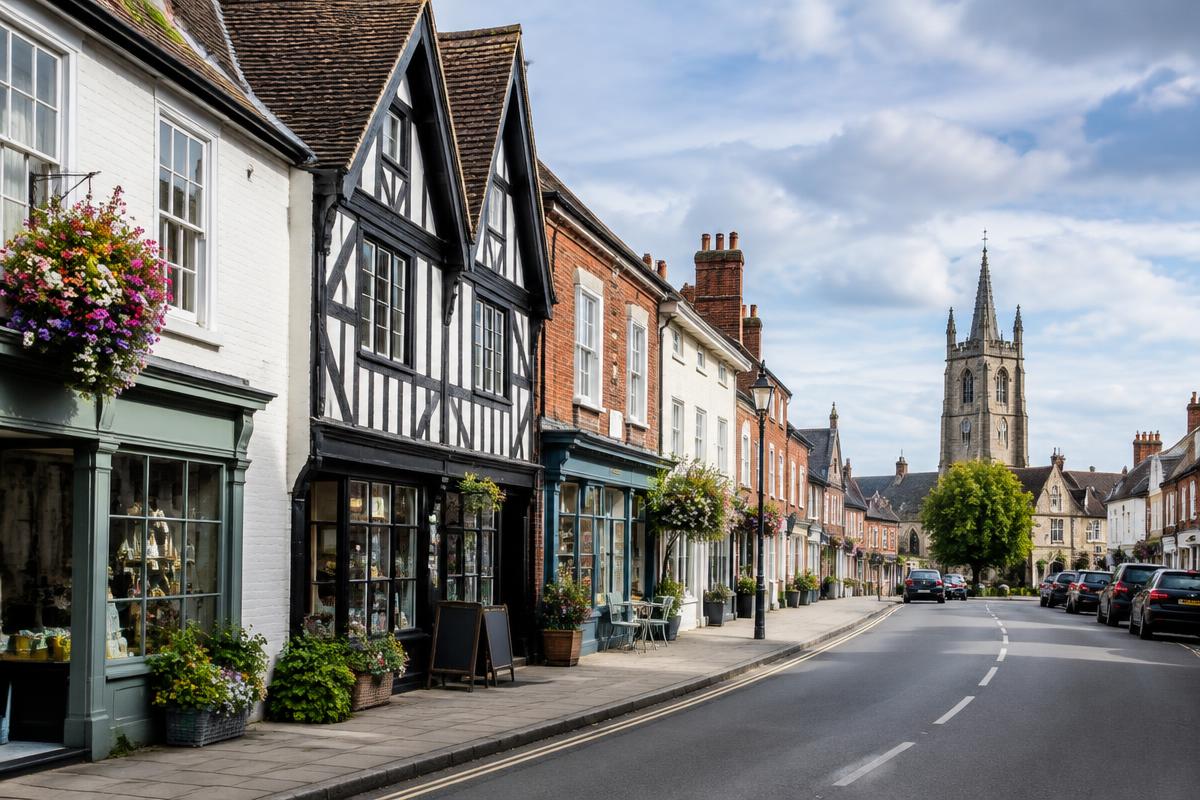
Town · OX9 and nearby HP17 and OX39 districts
Asset Finance in Thame
Asset finance for Thame farms, contractors, independent businesses and workshops.
Enquire about asset finance in Thame
Tell us what you're buying, the supplier and your timing. We'll come back within one business day.
In this article
- Asset finance in Thame: the short answer
- The Thame business economy we fund
- Towns and postcodes we cover around Thame
- What Thame businesses fund with us
- Hire purchase for Thame buyers
- Finance lease and operating lease
- Refinance and releasing capital in Thame
- What asset finance costs in Thame and how rates are set
- How the process works, step by step
- What Thame businesses need to apply
- Tax, capital allowances and VAT
- Sector notes for Thame
- Farming and food
- Construction and property services
- Independent retail and hospitality
- Engineering and rural trade
- Why a local broker helps in Thame
- Common mistakes and practical checks
- Deciding whether to buy, hire or finance in Thame
- The Thame buying calendar and when to arrange finance
- Working with dealers and suppliers around Thame
- Working out what a Thame business can genuinely afford
- Financing used machinery and equipment in Thame
- Comparing the structures side by side for a Thame purchase
- What happens at the end of the agreement
- Credit, trading history and imperfect accounts
- Security, guarantees and what you are actually signing
- How finance is structured for the main Thame trades
- Farming and food in Thame
- Construction and property services in Thame
- Independent retail and hospitality in Thame
- Engineering and rural trade in Thame
- Asset finance compared with a bank loan or overdraft
- How to compare two finance quotes properly
- Delivery, insurance and getting the asset earning
- Quick answers for Thame searches
- A practical checklist before you commit
- Misconceptions we hear regularly
- Asset finance terms explained for Thame buyers
- What working with us looks like from Thame
- Further reading for Thame businesses
- Guides and explainers
- Sectors and equipment
- Other areas we cover
- Thame asset finance questions
- Do you arrange asset finance in Thame?
- How quickly can a Thame business get a decision?
- What can a business in Thame fund?
- Do you fund used equipment bought near Thame?
- Is there a minimum or maximum deal size for Thame businesses?
- What does it cost to use a broker in Thame?
- Talk to us about your Thame purchase
Direct answer: Asset finance in Thame is a way for a local business to buy equipment, vehicles, machinery or technology and pay for it over the period the asset earns, instead of paying the full price on day one. Buckingham Leasing is an FCA-authorised credit broker based near Buckingham, a short drive from Thame, arranging hire purchase, finance lease, operating lease and refinance from £5,000 to £5 million, subject to status and credit acceptance.
Thame at a glance
- Covered from: Waterfield House, Maids Moreton, MK18 1QQ. Thame is about 22 miles from Maids Moreton via Aylesbury and the A418.
- Postcodes served: OX9 and nearby HP17 and OX39 districts.
- Deal size: £5,000 to £5 million.
- Typical decision: usually inside one business day on straightforward proposals.
- Products: hire purchase, finance lease, operating lease, refinance and business loans.
On this page
- Asset finance in Thame: the short answer
- The Thame business economy we fund
- Towns and postcodes we cover
- What Thame businesses fund with us
- Hire purchase for Thame buyers
- Finance lease and operating lease
- Refinance and releasing capital
- What it costs and how rates are set
- How the process works, step by step
- What you need to apply
- Tax, capital allowances and VAT
- Sector notes for Thame
- Why a local broker helps
- Common mistakes and practical checks
- Deciding whether to buy, hire or finance in Thame
- The Thame buying calendar and when to arrange finance
- Working with dealers and suppliers around Thame
- Working out what a Thame business can genuinely afford
- Financing used machinery and equipment in Thame
- Comparing the structures side by side for a Thame purchase
- What happens at the end of the agreement
- Credit, trading history and imperfect accounts
- Security, guarantees and what you are actually signing
- How finance is structured for the main Thame trades
- Asset finance compared with a bank loan or overdraft
- How to compare two finance quotes properly
- Delivery, insurance and getting the asset earning
- Quick answers for Thame searches
- A practical checklist before you commit
- Misconceptions we hear regularly
- Asset finance terms explained for Thame buyers
- What working with us looks like from Thame
- Further reading for Thame businesses
- Thame asset finance questions
- Talk to us about your Thame purchase
Asset finance in Thame: the short answer
Asset finance in Thame works the same way it works anywhere in the United Kingdom, but the conversation is easier when the person arranging it knows the ground. A funder advances the cost of an identifiable business asset, you use the asset from the day it arrives, and you pay for it over an agreed term. Because the asset itself carries most of the security, the assessment focuses on whether the purchase makes commercial sense and whether the payments are affordable, rather than on whether you can pledge property.
That matters in Thame and the surrounding area, because a large number of local businesses are asset-rich and cash-sensitive at the same time. A farm may own several hundred thousand pounds of machinery and still need to protect the current account through a difficult spring. A contractor may have full order books and no appetite for emptying reserves on a machine that will be earning within a fortnight. Asset finance exists precisely for that gap.
We are a broker, not a lender. That means our job is to take one purchase and put it in front of the funders most likely to understand it, then explain the differences in plain terms so you can choose. Finance is available to business users only, subject to status and credit acceptance, and Buckingham Leasing may receive payment from the finance provider if you enter into an agreement. Every figure on this page is an illustration, not a quotation.
The Thame business economy we fund
Thame serves a broad rural and small-business catchment between Oxford and Aylesbury. Farms, food businesses, trades, professional firms and light engineering operations buy practical assets and often value a local broker who understands both seasonal and contract-led income.
Understanding that mix changes the advice. A five-year term on a fixed monthly payment might be right for a workshop machine that runs every day of the year, and quite wrong for a piece of seasonal equipment that earns in bursts. The same funder can be enthusiastic about one asset class and cautious about another, and a broker who sees the same local purchases repeatedly knows which door to knock on first.
It also changes how the case is presented. When a proposal from Thame explains the local contract, the customer base, the working pattern and the reason the asset is needed now, it reads as a business decision rather than a request for credit. Funders respond to that, and it often shows in the speed and the structure available rather than only in the answer itself.
We work with businesses across Thame and the surrounding area of every size, from sole traders and partnerships to established limited companies. Some are buying their first machine, others are refreshing a fleet for the fifth time. The questions are broadly the same: what is the right product, what is the right term, and what happens at the end.
Towns and postcodes we cover around Thame
We arrange finance across OX9 and nearby HP17 and OX39 districts, and regularly work with businesses in Haddenham, Long Crendon, Chinnor, Worminghall, Tetsworth, Princes Risborough, Wheatley and Aylesbury. Access is straightforward via the A418, A329 and M40 at Junctions 6 to 8A, and thame is about 22 miles from Maids Moreton via Aylesbury and the A418.
- Haddenham
- Long Crendon
- Chinnor
- Worminghall
- Tetsworth
- Princes Risborough
- Wheatley
- Aylesbury
Most of what we do happens by phone and email, because that is quickest for a busy business. Where a purchase is unusual, large or a site visit genuinely helps, being close by means we can come out rather than exchanging photographs. It is a practical advantage rather than a marketing line: a machine seen in the yard is easier to describe to a funder than a machine described down a phone line.
Neighbouring areas: Asset finance in Aylesbury · Asset finance in Oxford · Asset finance in Oxfordshire · Asset finance in High Wycombe.
What Thame businesses fund with us
Almost any identifiable business asset with a working life can be considered. The common categories across Thame are machinery and plant, commercial vehicles, groundscare and turf equipment, production and processing lines, workshop and engineering equipment, materials handling, technology and parts of a building fit-out. New and used both qualify, and dealer, private and auction purchases can all be looked at.
| Asset type | Typical term | Usual structure |
|---|---|---|
| Tractors, harvesters and farm machinery | 3 to 7 years | Hire purchase, often with seasonal or annual payments |
| Excavators, dumpers and plant | 3 to 5 years | Hire purchase or lease, term matched to contract length |
| Commercial vehicles and trailers | 3 to 5 years | Hire purchase with a balloon, or contract-style lease |
| Groundscare and turf equipment | 3 to 5 years | Lease or hire purchase with seasonal profiling |
| Production, packing and workshop machinery | 3 to 7 years | Hire purchase or finance lease |
| Technology, AV and IT hardware | 2 to 4 years | Operating lease to allow refresh |
Where a project involves several items — a machine, its tooling, installation and a vehicle to serve it — those can often be funded together instead of separately. One agreement is easier to administer, and it stops a business ending up with four different end dates on kit that works as a single unit.
Hire purchase for Thame buyers
Hire purchase is the most common route for businesses in Thame that intend to keep the asset. You pay a deposit, then instalments across the term, and ownership transfers at the end once all sums including the option-to-purchase fee are paid. Throughout the agreement the asset sits on your balance sheet and you carry the responsibility for insurance, maintenance and use.
It suits long-life equipment: a tractor, a machining centre, an excavator, a packing line. If the asset will still be worth having in seven years, ownership is usually the sensible destination, and hire purchase gets you there while spreading the cost across the years it earns. Capital allowances are normally available on hire purchase assets, which is one reason accountants often favour it, though that treatment should always be confirmed for your own circumstances.
Deposits are typically a percentage of the price, and a larger deposit generally reduces the monthly payment and can improve the terms available. Some agreements include a balloon payment at the end, which lowers the instalments but leaves a lump sum to settle or refinance. That can be a good fit where an asset holds value predictably, and a poor one where it does not, so the residual assumption deserves scrutiny rather than acceptance.
Finance lease and operating lease
A finance lease means the funder buys the asset and rents it to you for substantially all of its useful life. You use the equipment, you maintain it, and at the end of the primary period there are usually options: continue at a nominal secondary rental, sell the asset as the funder's agent and retain most of the sale proceeds, or return it. Rentals are normally treated as a business expense, and VAT is usually charged on the rentals rather than the full price at the outset, which can help cash flow.
An operating lease is closer to long-term hire. The funder retains the risk in the asset's residual value, rentals are usually lower, and the equipment goes back at the end. This works well for equipment that dates quickly or needs to stay current — technology, some vehicles, certain turf and access equipment — and for businesses in Thame that would rather replace on a cycle than own an ageing asset.
The choice between them is rarely about the headline rate. It is about what you want to own at the end, how confident you are in the asset's resale value, and how your accountant wants the cost to appear. We set the options side by side, including total payable and end position, so the comparison is honest rather than flattering.
Refinance and releasing capital in Thame
Refinance raises money against equipment a business already owns outright, or settles an existing agreement and restructures it. For Thame businesses this is often the quietest way to fund growth: the machinery is already earning, the value is already there, and releasing part of it can cover a deposit on the next purchase, a seasonal cash gap or a contract mobilisation cost without touching the overdraft.
Funders will want evidence of clear title, a realistic valuation, the age and condition of the asset and the reason for raising the money. Refinance is a legitimate and common tool, but it is worth using deliberately: releasing capital against an asset that is nearing the end of its working life leaves payments running after the asset has stopped earning. The sensible test is whether the machine will still be working comfortably beyond the last instalment.
What asset finance costs in Thame and how rates are set
There is no single local rate. Pricing is built from the Bank of England base rate and funding markets, then adjusted for the asset, the term, the deposit, the applicant's trading history and the funder's appetite for that sector at that moment. Two Thame businesses buying identical machines can be offered different terms because their accounts, deposit and trading record differ.
| What moves the cost | How it moves it |
|---|---|
| Deposit | More cash in usually means a lower payment and better terms |
| Term length | A longer term lowers the payment but raises total payable |
| Asset type and age | Assets with strong resale markets are usually cheaper to fund |
| Trading history | Filed accounts and a clean payment record widen the options |
| Balloon or residual | Lowers instalments, but leaves a lump sum to settle |
Compare total payable, not only the monthly figure. Add documentation fees, the option-to-purchase fee where one applies, any balloon, and what happens if you want to settle early. A quote that looks cheap each month can cost more across the term, and the end position is where that difference usually shows up.
How the process works, step by step
We keep it short because most Thame businesses are calling from a yard, a cab or a workshop rather than an office.
- Tell us the purchase. The asset, the supplier, the price, the timing and what it is for.
- We ask a few business questions. Trading name and structure, how long you have traded, roughly what the year looks like.
- We approach suitable funders. Not every funder, the right ones for that asset and that business.
- You get the options explained. Product, term, deposit, payment, total payable and end position, side by side.
- Documents are issued and signed. Usually electronically, with identity and bank checks.
- The supplier is paid and the asset is delivered. Payment normally follows confirmation that the asset has arrived as described.
On straightforward proposals an indication usually comes back within one business day. Larger or unusual deals take longer, and anything involving a private sale or auction purchase needs a little more evidence about title and condition. If timing is tight — a machine going under the hammer, a delivery slot, a contract start — say so at the beginning, because it changes which funders we approach first.
What Thame businesses need to apply
Preparation is the single biggest factor in speed. Gathering the following before you call typically saves days:
- A written supplier quote or invoice showing the asset, specification and price
- Business details: registered name, number, trading address and time trading
- Recent filed accounts, and management figures if the accounts are dated
- Three to six months of business bank statements
- For used assets: age, hours or mileage, condition, serial or chassis number and evidence of clear title
- A short note explaining what the asset is for and how it will be used
Sole traders and partnerships in Thame are welcome; the evidence is simply different, usually leaning more on bank statements and trading history. Newer businesses can also be funded, though a deposit or additional information is more likely to be asked for. Being straight about anything awkward in the accounts is better than leaving it to be discovered — funders are far more comfortable with a problem that has been explained.
Tax, capital allowances and VAT
Tax treatment can be as significant as the rate, and it differs by product. Under hire purchase the asset is normally treated as yours from the outset, capital allowances are usually available on the capital cost, and the interest element is generally an allowable expense. Under a lease, rentals are usually treated as a revenue expense instead. Which is better depends on your profits, your allowances position and the timing of the purchase.
VAT also behaves differently. On hire purchase the VAT on the asset is normally payable up front, which is one reason some businesses look at a lease, where VAT is usually charged on each rental instead. For VAT-registered businesses the difference is about timing and cash flow rather than absolute cost, but timing matters when a large machine arrives in a tight quarter.
We are not tax advisers and do not give tax advice. What we do is set out clearly how each structure is normally treated so that you and your accountant can make the decision with the numbers in front of you. Speak to your accountant before committing, particularly on larger purchases or where allowances are being planned around a year end.
Sector notes for Thame
Farming and food
Tractors, handling, refrigeration, preparation and packing equipment.
Construction and property services
Plant, vans, access equipment and workshop tools.
Independent retail and hospitality
Kitchen, coffee, refrigeration and point-of-sale equipment.
Engineering and rural trade
Fabrication, vehicle workshop and production machinery.
If your business in Thame does not sit neatly in one of those groups, that is not a barrier. The test a funder applies is whether the asset is identifiable, valuable, usable and genuinely needed by a business that can afford the payments. Plenty of the agreements we arrange are for trades that no lender's category list has ever heard of.
Why a local broker helps in Thame
Buckingham Leasing has been arranging business equipment finance from Buckinghamshire for years, and Thame is part of the ground we cover every week. Being local is not about proximity for its own sake. It is about knowing the suppliers and dealers your quote came from, recognising the seasonal pattern of your trade, and being able to see a machine when a photograph is not enough.
It also means you speak to the same people. There is no call centre, no ticket number and no handover between departments halfway through. When a funder comes back with a question at four o'clock on a Friday because a delivery is booked for Monday, that continuity is what gets it resolved.
We are authorised and regulated by the Financial Conduct Authority, reference 671552, and registered in England and Wales, company number 4637226. We act as a credit broker and not a lender, and may receive payment from the finance provider if you enter into an agreement. That is disclosed on request, and we would rather say it plainly here than bury it.
Common mistakes and practical checks
- Choosing on monthly payment alone. Ask for total payable and the end position on every option.
- Taking a term longer than the asset's working life. Paying for equipment after it has stopped earning is the most expensive mistake in this market.
- Ignoring the balloon. A low payment with a large final sum is a decision deferred, not avoided.
- Forgetting running costs. Insurance, servicing, tyres, fuel and downtime are part of the real cost.
- Leaving the paperwork late. Missing accounts or an unclear title can hold up a delivery that was otherwise ready.
- Applying to several lenders directly. Multiple separate applications can work against you; a broker approaches suitable funders in a considered order.
A useful final check before signing anything: could you still make the payments if turnover dropped by a fifth for two quarters? If the answer is no, the term, deposit or specification needs another look. Funders assess affordability too, but the business that has stress-tested its own numbers is always in the stronger position.
Deciding whether to buy, hire or finance in Thame
Before the funding question comes the ownership question, and a surprising number of Thame businesses skip it. There are only four realistic ways to put a working asset on site: pay cash, hire it by the week or month, finance it and own it at the end, or lease it and hand it back. Each one costs money in a different place, and the cheapest on paper is rarely the cheapest once downtime, utilisation and the end position are counted.
Cash looks free because no interest appears on a statement, but it is the most expensive option when the same money would otherwise fund stock, wages or a deposit on a second machine. Hire is excellent for short bursts and dreadful as a permanent arrangement: a weekly rate that is sensible for a fortnight becomes painful across two seasons. Finance sits between the two, converting a single large outflow into payments the asset can cover from its own earnings.
The practical test we use with businesses around Haddenham and Thame is utilisation. If the machine will work more than roughly forty per cent of available time, ownership through hire purchase usually wins. Below that, hire or a short lease often makes better sense, especially where the work is one contract rather than a pattern. Write the honest number down before you decide, not the number you hope for.
It is also worth asking what the asset will be worth when you have finished with it. Equipment with a deep second-hand market behaves differently from equipment that is close to worthless once superseded. That single fact drives whether a balloon payment is sensible, whether an operating lease is better than ownership, and how much deposit is worth putting in. Our guide to what asset finance is and how it works sets the same logic out in full.
| Route | Best when | Watch out for |
|---|---|---|
| Cash purchase | Reserves are deep and the asset is small | Working capital disappearing before a quiet quarter |
| Short-term hire | One contract, or utilisation under 40 per cent | Weekly rates compounding across a whole season |
| Hire purchase | You want to own a long-life asset | Terms that outlast the asset's useful working life |
| Finance lease | Use matters more than ownership | End-of-term options you have not read |
| Operating lease | Kit dates quickly and must stay current | Condition and return clauses at handback |
| Refinance | Value is locked in equipment you already own | Raising money against an asset near retirement |
The Thame buying calendar and when to arrange finance
Work around Thame does not arrive evenly across the year, and neither should the payments. The businesses that get the best structures are almost always the ones that started the conversation a season early rather than the week the machine was needed. Funders can move quickly, but speed costs flexibility: a proposal put together in twenty-four hours goes to whoever can answer fastest, not necessarily to whoever would have offered the most suitable profile.
Agricultural and groundscare buyers in OX9 and nearby HP17 and OX39 districts and the surrounding districts tend to commit in the quiet months and take delivery before the work starts, which means winter conversations about spring machines and late-summer conversations about autumn drilling. Construction and civils buyers work to contract award dates instead, so the trigger is the letter rather than the calendar. Trade, workshop and hospitality businesses often buy against a fit-out date or a lease renewal.
Whatever the driver, the useful habit is to get an indication in principle before you commit to a supplier. It costs nothing, it tells you what the payments look like, and it means that when the dealer confirms availability you are placing an order rather than starting a funding process. Where a machine is going to auction, that preparation is not optional: our note on finance for machinery bought at auction explains the evidence needed before bidding.
| Period | What tends to move around Thame | What to have ready |
|---|---|---|
| January to March | Spring machinery, groundscare fleets, contract mobilisation | Latest accounts, supplier quotes, delivery dates |
| April to June | Plant for the summer build season, turf equipment, vehicles | Order book evidence, contract letters |
| July to September | Harvest kit, replacement cycles, end-of-season deals | Management figures, trade-in valuations |
| October to December | Year-end purchases, refinance, planning next season | Accountant's view on timing and allowances |
One caution about year-end buying: a purchase made purely to move a tax position is still a purchase, and the machine has to earn afterwards. Timing an investment you were going to make anyway is sensible. Inventing one is not. Speak to your accountant, and read our plain-language summary of hire purchase and finance lease treatment before the decision rather than after it.
Working with dealers and suppliers around Thame
Most purchases around Thame start on a dealer's forecourt or in a supplier's showroom, and the finance offered at that point is worth treating as one option rather than the only one. Manufacturer schemes are sometimes genuinely excellent, particularly where a subsidised rate is attached to a new model or a run-out deal. Sometimes they are simply the product the dealer is set up to sell. The only way to know is to put the two side by side on total payable and end position.
We are comfortable working alongside your dealer rather than around them. In practice that means we take the quotation as it stands, keep the specification and the trade-in exactly as agreed, and arrange the funding behind it. The supplier still gets paid in full and on time, usually once delivery is confirmed, and the relationship you have built locally stays intact. Nothing about using a broker requires you to change where you buy.
Where a purchase involves several suppliers, which is common on fit-outs and on machinery bought with attachments from different sources, the funding can normally be packaged into a single agreement. That avoids four separate end dates and four sets of paperwork on equipment that functions as one system. Bring all the quotes at the same time and it takes one conversation instead of four.
If the asset is coming from a private seller, an online marketplace or an auction house near Thame, expect more questions. Title, valuation, identity of the seller and condition all need evidencing, and payment normally goes to the seller rather than to you. It is entirely doable, and we arrange it regularly, but it is not a same-afternoon transaction. You can see the range of equipment we fund on our machinery pages.
Working out what a Thame business can genuinely afford
Affordability is the part of the process funders care about most and applicants think about least. The question is not whether the payment fits this month. It is whether it fits across the whole term, including the quarters when the work is thin, the month the VAT bill lands and the year an unexpected repair arrives. A payment that only works in a good year is not affordable, it is optimistic.
The arithmetic is simple enough to do on the back of an envelope. Take the additional revenue or saving the asset produces in a normal, not a brilliant, month. Take off fuel, servicing, insurance, tyres or consumables and any extra labour. What remains is the amount available to service the agreement, and a sensible cushion leaves at least a fifth of it spare. If the payment consumes everything the machine earns, the structure needs another look rather than an optimistic spreadsheet.
It is worth stress-testing too. Run the numbers again with turnover down by twenty per cent for two quarters, then with an interest environment less friendly than today's. A business in Thame that can answer those two questions calmly is in a far stronger position when the funder asks, and it usually gets a better structure for exactly that reason.
| Figure | Where it comes from | Why it matters |
|---|---|---|
| Monthly earning from the asset | Contract rates, day rates or output | Sets the ceiling on a sensible payment |
| Running costs | Fuel, servicing, insurance, consumables | The real cost is never just the instalment |
| Existing commitments | Current agreements and overdraft use | Funders total these, so you should too |
| Seasonal low point | Your own quietest trading months | The payment must survive the worst month, not the best |
| Deposit available | Cash you can release without strain | Lowers the payment and usually improves terms |
Financing used machinery and equipment in Thame
A large share of the equipment bought around Thame is second-hand, and used assets are financed every day. What changes with age is not whether funding is possible but how much evidence the funder wants. Age, hours or mileage, service history, condition, the identity of the seller and clear title all come into the assessment, and a machine with a documented history is materially easier to fund than an identical machine without one.
Most funders work to an age at end of term rather than an age at purchase. That is why a ten-year-old machine can often be financed over three years but rarely over seven: the question is whether the asset still has value and working life left when the last payment is made. If the numbers feel tight, a shorter term with a slightly higher payment usually unlocks more options than arguing for a longer one.
Private sales need care. Payment normally goes directly to the seller after checks, there may be no warranty, and any outstanding finance on the machine has to be cleared before title can pass. None of that is a barrier, but it does add days. Where the machine is being bought at a sale or through an online auction, arrange the funding in principle first so you know your ceiling before you raise a hand.
An independent inspection is cheap insurance on a large used purchase. A few hundred pounds spent on an engineer's report before committing regularly saves far more, and it also strengthens the case put to the funder. If you want the wider picture, our article on financing second-hand tractors at auction goes through the process in detail.
Comparing the structures side by side for a Thame purchase
The five main structures answer different questions, and choosing between them on interest rate alone is the most common error we see. Ownership, balance sheet treatment, VAT timing, flexibility at the end and what happens if plans change all vary, and those differences usually matter more across a five-year term than a fraction of a percentage point.
| Structure | Who owns it at the end | VAT | Best suited to |
|---|---|---|---|
| Hire purchase | You, once all sums are paid | Usually payable on the asset up front | Long-life machinery you intend to keep |
| Finance lease | Funder, with end-of-term options | Usually charged on each rental | Use matters more than title |
| Operating lease | Funder, asset returned | Usually charged on each rental | Equipment that dates or must stay current |
| Refinance | You, value released from owned kit | Varies with structure | Releasing capital without new borrowing against property |
| Business loan | You, from the outset | Not applicable to the loan itself | Mixed projects where the asset is only part of the cost |
For most buyers in Thame the honest shortlist is hire purchase or finance lease. Hire purchase wins when the asset will still be doing useful work well beyond the final payment and you want it on the books. Finance lease wins when the VAT profile helps, when rentals suit the accounting treatment your accountant prefers, or when you would rather keep the end-of-term decision open.
Operating leases earn their place with technology, some vehicles and certain turf and access equipment where the replacement cycle is genuinely fixed. Refinance is the quiet one that gets overlooked: businesses sitting on owned machinery frequently have more room than they realise. Our knowledge pages on operating leases and asset refinance explain both without jargon.
What happens at the end of the agreement
The end of the term is decided at the beginning, whether or not anyone discusses it. Under hire purchase the asset becomes yours once every sum including the option-to-purchase fee is paid, and if a balloon was built in, that balloon has to be settled, refinanced or covered by selling the machine. Under a finance lease the primary period ends and the options open: continue at a nominal secondary rental, sell as the funder's agent and keep the bulk of the proceeds, or hand the asset back.
Under an operating lease the equipment goes back, and the condition and return terms matter. Excess hours, damage beyond fair wear and missing accessories all have a price attached, and that price is in the agreement you signed at the start. None of this is unfair, but it is much easier to plan for when it has been read in advance rather than discovered at collection.
Most Thame businesses do not simply stop at the end of a term. They replace. Planning that replacement twelve months out gives room to time the trade-in, choose the specification without pressure and avoid a gap in capability. It also gives us time to arrange the next structure properly rather than urgently, which almost always produces a better result.
Settling early is usually possible. A settlement figure is calculated under the agreement and often includes a rebate of future charges, though the precise treatment differs between funders and products. If there is any chance you will want to exit early, ask for the settlement basis before signing rather than assuming it will be generous.
Credit, trading history and imperfect accounts
A clean, well-documented business gets more options, and there is no point pretending otherwise. Filed accounts that are current, a bank account run without returned items, a stable trading pattern and directors with tidy personal credit all widen the field. But an imperfect picture is not the end of the conversation, and a large part of what a broker does is knowing which funders look past which issues.
A young business can be funded, often with a larger deposit or a personal guarantee. A business with a historic county court judgment that has been settled and explained is a different proposition from one with recent unexplained defaults. A seasonal business whose accounts show a loss in a year everyone in the sector had a loss is judged against its sector, not against a generic template. Context is the thing that changes the answer.
What does damage a case is surprise. If there is something awkward in the numbers, say so at the start and explain it. A funder that discovers a problem during underwriting treats it as a risk; a funder that had it explained up front treats it as a fact. The second outcome is materially better, and it usually arrives faster.
Avoid making multiple direct applications to lenders yourself while you shop around. Repeated searches in a short window look like distress borrowing, whatever the intention, and they can narrow the options available to a Thame business that would otherwise have been well placed. One considered approach through a broker protects that.
Security, guarantees and what you are actually signing
In most asset finance the equipment itself is the security, which is the reason funding is available to businesses that could not or would not pledge property. The funder either owns the asset outright, under a lease, or holds title until the final payment under hire purchase. If payments stop, the recovery route runs through the machine rather than through the family home.
Personal guarantees are common on smaller limited-company deals, on newer businesses and on larger exposures. A guarantee means that if the company cannot pay, the individual who signed can be pursued for the shortfall. That is a serious commitment and deserves to be read properly, ideally with advice, rather than skimmed on a phone screen while a delivery lorry waits. It is reasonable to ask whether a deal can be structured without one, and sometimes the answer is yes with a larger deposit.
Insurance is your responsibility on almost every structure. The funder will normally require comprehensive cover with its interest noted, and a gap in cover is a breach of the agreement as well as a commercial risk. Check that your existing policy extends to the new asset before delivery rather than afterwards, particularly on plant that moves between sites.
Read the whole document. The parts that matter most in a dispute are rarely the rate: they are the clauses on default, early settlement, condition, location of the asset and what happens if the business is sold. We will go through them with any Thame client who wants to, line by line, before anything is signed.
How finance is structured for the main Thame trades
The four local sectors below account for most of what we arrange around Thame, and each one behaves differently once the paperwork starts. The asset type sets the term, the trading pattern sets the payment profile, and the funder's appetite for that sector on that day sets the pricing. A broker's value is largely in knowing all three before the application goes anywhere.
| Local sector | What drives the structure |
|---|---|
| Farming and food | Tractors, handling, refrigeration, preparation and packing equipment. |
| Construction and property services | Plant, vans, access equipment and workshop tools. |
| Independent retail and hospitality | Kitchen, coffee, refrigeration and point-of-sale equipment. |
| Engineering and rural trade | Fabrication, vehicle workshop and production machinery. |
Farming and food in Thame
Tractors, handling, refrigeration, preparation and packing equipment.
Funders assessing this kind of purchase look first at whether the asset holds value, then at whether the business can demonstrate the work that justifies it. A contract, an order book, a renewed tender or a simple record of the hire invoices the machine will replace all serve that purpose. Bring the evidence with the quote and the proposal moves considerably faster.
Construction and property services in Thame
Plant, vans, access equipment and workshop tools.
Funders assessing this kind of purchase look first at whether the asset holds value, then at whether the business can demonstrate the work that justifies it. A contract, an order book, a renewed tender or a simple record of the hire invoices the machine will replace all serve that purpose. Bring the evidence with the quote and the proposal moves considerably faster.
Independent retail and hospitality in Thame
Kitchen, coffee, refrigeration and point-of-sale equipment.
Funders assessing this kind of purchase look first at whether the asset holds value, then at whether the business can demonstrate the work that justifies it. A contract, an order book, a renewed tender or a simple record of the hire invoices the machine will replace all serve that purpose. Bring the evidence with the quote and the proposal moves considerably faster.
Engineering and rural trade in Thame
Fabrication, vehicle workshop and production machinery.
Funders assessing this kind of purchase look first at whether the asset holds value, then at whether the business can demonstrate the work that justifies it. A contract, an order book, a renewed tender or a simple record of the hire invoices the machine will replace all serve that purpose. Bring the evidence with the quote and the proposal moves considerably faster.
If your trade is not listed, that changes nothing material. The test a funder applies is whether the asset is identifiable, valuable, usable and needed by a business that can afford it. You can browse the full range on our sector pages and see how comparable purchases were structured in our case studies.
Asset finance compared with a bank loan or overdraft
Plenty of businesses around Thame start at their bank, which is entirely reasonable. The difference is what the money is secured against and what it does to the facilities you already rely on. An overdraft used to buy a machine turns your flexible working-capital buffer into a fixed asset, and that buffer is exactly what you want available when a customer pays late.
| Asset finance | Bank loan | Overdraft | |
|---|---|---|---|
| Security | Usually the asset itself | Often property or a debenture | Usually on demand |
| Term certainty | Fixed term and payments | Fixed term | Repayable on demand |
| Effect on working capital | Leaves facilities intact | May use up security | Consumes the buffer entirely |
| Speed | Often within days | Typically longer | Depends on existing limit |
| Best for | Identifiable equipment | Property and mixed projects | Short-term timing gaps |
In practice the two sit together rather than competing. Many Thame businesses keep the bank for property, working capital and day-to-day banking, and use asset finance for equipment so that each machine pays for itself over its own working life. Keeping equipment funding away from the overdraft is a discipline that pays for itself the first time a large customer pays thirty days late.
Invoice finance and asset-based lending solve different problems again: they release money tied up in sales ledgers or stock rather than funding a purchase. If the real issue is the gap between doing the work and being paid for it, that is where to look. Our knowledge base covers each of them without sales language.
How to compare two finance quotes properly
Two quotes for the same machine can look almost identical on the monthly figure and differ by thousands across the term. The only reliable way to compare them is to line up the same five numbers for each, on the same term and the same deposit, and then look at what you own at the end. Anything else is comparing presentation rather than cost.
Start with the total payable, which is every payment across the agreement plus every fee plus any balloon. Then note the deposit, because a quote with a larger deposit will naturally show a smaller instalment without being cheaper. Then the term, because stretching a five-year deal to seven flatters the monthly figure and raises the overall cost. Then the fees, which usually include a documentation fee at the start and an option-to-purchase fee at the end under hire purchase. Finally the end position: owned outright, returned, or a lump sum still to settle.
| What to line up | Quote A | Quote B | Why it matters |
|---|---|---|---|
| Deposit | £ | £ | A bigger deposit hides a higher cost |
| Term in months | Longer terms lower payments and raise total cost | ||
| Monthly payment | £ | £ | Only meaningful alongside term and deposit |
| All fees | £ | £ | Documentation and option-to-purchase fees are real money |
| Balloon or residual | £ | £ | A deferred decision, not a saving |
| Total payable | £ | £ | The single most useful comparison figure |
| End position | Owned, returned, or still to settle |
Once those rows are filled in, the better deal for a Thame business is usually obvious, and it is not always the one with the lowest instalment. Occasionally the more expensive quote is still the right one because the profile matches the trading year, the funder understands the asset or the settlement terms are more forgiving. That is a legitimate reason to pay slightly more, and a considered one, which is different from paying more by accident.
Ask for the comparison in writing. Any reputable broker or funder will provide it without fuss, and a reluctance to put total payable on paper tells you something useful in itself. We set every option out this way as a matter of course, because a client who understands the numbers makes a better decision and stays a client.
Delivery, insurance and getting the asset earning
Once the agreement is signed, a short sequence of practical steps stands between the paperwork and a machine doing useful work. The funder pays the supplier, normally after delivery has been confirmed as matching the description on the invoice. That confirmation is your protection as well as theirs, so inspect the asset properly before signing anything at the point of delivery rather than waving it through because the driver is waiting.
Insurance needs to be live from the moment risk passes, which is usually delivery rather than the day of the first payment. The funder's interest is normally noted on the policy, and on plant that moves between sites around Haddenham and the wider Thame area, check that cover follows the machine rather than sitting at a fixed address. Telematics, immobilisers, marking and secure overnight storage all help with premiums and with recovery if the worst happens.
Registration and compliance vary with the asset. Road-going vehicles need registration documents and the correct operator arrangements. Lifting equipment needs thorough examination under the relevant regulations. Agricultural and construction machinery needs the operator training and, where applicable, the certification your insurer expects. None of this is finance, but all of it affects whether the asset earns from week one or sits waiting for a certificate.
Finally, diarise the dates. The final payment date, any balloon, the insurance renewal and the first major service interval all belong in one place. Businesses that track those dates replace equipment on their own timetable and negotiate from a position of calm. Businesses that do not tend to discover a balloon three weeks before it is due, which is the most avoidable stress in this whole market.
When you are ready to plan the next purchase, the same conversation applies. Send the quote, the timing and a sentence about the work it will do, and we will come back with the options. You can start from any of our local pages, the finance products overview or straight through the contact page.
Quick answers for Thame searches
Is there an asset finance broker near Thame? Yes. Buckingham Leasing works from Maids Moreton near Buckingham, covers Thame every week and is authorised and regulated by the Financial Conduct Authority under reference 671552. Thame is about 22 miles from Maids Moreton via Aylesbury and the A418.
How much can a Thame business borrow? We arrange agreements from £5,000 to £5 million. The amount available in any individual case depends on the asset, the deposit, the trading history and the funder, and every proposal is assessed on its own merits.
How long does it take? Straightforward proposals usually receive an indication within one business day once we have the supplier quote and basic business details. Private sales, auction purchases and larger projects take longer because title, valuation and affordability all need evidencing properly.
Can a new business in Thame apply? Often, yes. A shorter trading history usually means a larger deposit, a personal guarantee or extra information about the contract the asset will serve. It is worth asking rather than assuming the answer is no.
Do you cover Haddenham and the villages around it? Yes. We work across OX9 and nearby HP17 and OX39 districts and travel out when seeing a machine genuinely helps the case. Most of the process happens by phone and email because that is quickest for a working business.
What does it cost to talk to you? Nothing. We act as a credit broker and not a lender, and may receive payment from the finance provider if you enter into an agreement, which is disclosed on request. There is no charge for the conversation and no obligation to proceed.
A practical checklist before you commit
Run through this before signing anything. It takes ten minutes and it catches most of the problems we see after the event.
- Confirm the specification on the quote matches what you actually need, including attachments and delivery.
- Check the term finishes comfortably inside the asset's useful working life.
- Ask for total payable, not only the monthly figure, on every option.
- Identify any balloon or residual and decide now how it will be settled.
- Confirm the deposit leaves enough working capital for the quietest month of your year.
- Check insurance covers the asset from the moment of delivery, with the funder's interest noted.
- Read the default, early settlement and end-of-term clauses.
- Confirm who pays the supplier and when, especially on private or auction purchases.
- For used equipment, confirm clear title, hours or mileage and condition in writing.
- Ask your accountant about capital allowances, VAT timing and how the agreement will be presented.
- Stress-test the payment against a twenty per cent fall in turnover for two quarters.
- Keep a copy of everything signed, in one place, with the end date diarised.
If any item on that list produces an uncomfortable answer, the structure rather than the purchase is usually what needs adjusting. A different term, a larger deposit or a different product frequently resolves it. That conversation costs nothing and is a great deal cheaper than discovering the problem in year three of a five-year agreement.
Misconceptions we hear regularly
"Asset finance is only for businesses that cannot get a bank loan." It is not. Large, profitable and well-banked businesses use it constantly, precisely because it keeps banking facilities free and matches the cost of an asset to the period it earns. It is a cash-flow tool before it is a credit tool.
"A broker is an extra cost on top." Buckingham Leasing acts as a credit broker and not a lender, and may receive payment from the finance provider if you enter into an agreement. That is disclosed on request. Whether a brokered deal costs more or less than the first offer you were shown depends entirely on the alternatives, which is the reason to compare total payable.
"Used equipment cannot be financed." Used assets are funded every week. The term is shaped by the age of the machine at the end of the agreement, and the evidence required is greater, but the route exists and is well travelled.
"The lowest monthly payment is the best deal." A low payment can conceal a long term, a large balloon or fees that appear at the end. The honest comparison is total payable plus the end position, on the same term, for every option.
"Applying will damage my credit file." A considered approach to suitable funders is not the same as scattering applications across the market. The damage comes from repeated direct searches in a short period, which is exactly what a broker is there to avoid on behalf of a Thame business.
Asset finance terms explained for Thame buyers
| Term | What it means |
|---|---|
| Balloon payment | A larger final payment that lowers the instalments during the term. |
| Capital allowances | Tax relief on qualifying capital spend, normally available under hire purchase. |
| Credit broker | A firm that arranges finance between a business and funders, rather than lending itself. |
| Deposit | The initial payment made by the business, usually a percentage of the price. |
| Documentation fee | An administrative charge applied by the funder at the start of an agreement. |
| Hire purchase | Finance where ownership transfers to you once all sums are paid. |
| Finance lease | The funder owns the asset and rents it to you for most of its useful life. |
| Operating lease | Long-term rental where the asset is returned at the end. |
| Option-to-purchase fee | A small final fee under hire purchase that completes the transfer of title. |
| Personal guarantee | A promise by an individual to cover the company's shortfall if it defaults. |
| Refinance | Raising money against equipment already owned, or restructuring an existing agreement. |
| Residual value | The assumed worth of the asset at the end of the agreement. |
| Secondary rental | A nominal continuing rental under a finance lease after the primary period. |
| Settlement figure | The amount required to clear an agreement early. |
| Total payable | Everything paid across the agreement, including fees and any balloon. |
A longer version of this list, with worked context for each term, sits in our asset finance glossary. If any word in a document you have been sent is unclear, ask before signing rather than after. Nobody in this industry should expect you to agree to language you have not had explained.
What working with us looks like from Thame
We are based at Waterfield House, Wellmore, Maids Moreton, Buckingham MK18 1QQ, and we are open Monday to Friday, 08:30 to 17:30. Thame is about 22 miles from Maids Moreton via Aylesbury and the A418. You can call 07515 662628 or email enquiries@buckinghamleasing.co.uk and reach a person rather than a queue.
The first conversation is short and practical. What is the asset, who is supplying it, what does it cost, when do you need it, and what is it for. From that we can usually tell you within a day whether the purchase is straightforward, which structures are worth comparing and what information the funder will want. Nothing about that call commits you to anything.
After that, we approach the funders most likely to understand the asset and the trade, in a considered order rather than all at once. You get the options set out plainly with total payable and end position alongside the monthly figure. If a deal does not make sense for your business in Thame, we will tell you, including when the honest answer is to keep hiring or to wait a season.
Buckingham Leasing Ltd is authorised and regulated by the Financial Conduct Authority, firm reference number 671552, and registered in England and Wales, company number 4637226. We act as a credit broker and not a lender. Finance is available to business users only, subject to status and credit acceptance, and applicants must be 18 or over.
Further reading for Thame businesses
Guides and explainers
- What is asset finance? The complete UK guide covers every structure in depth.
- How asset finance works walks through the process from quote to delivery.
- Hire purchase explained and finance lease explained compare ownership routes.
- Asset refinance explains releasing capital from equipment you already own.
- Seasonal payment structures matter for farming, groundscare and contracting.
- Secured business loans cover projects where equipment is only part of the cost.
Sectors and equipment
- All sectors we fund, including construction, groundscare, arable farming and transport and haulage.
- Machinery we regularly fund, with model-level notes and finance options.
- Finance products compares hire purchase, leasing, refinance and loans.
- Case studies show how comparable purchases were structured.
- Guides and whitepapers for planning a fleet renewal or a larger project.
- Frequently asked questions answers the practical points quickly.
Other areas we cover
Asset finance in Oxford · Asset finance in Aylesbury · Asset finance in Oxfordshire · Asset finance in Buckinghamshire · Asset finance in Milton Keynes · Asset finance in Bicester · Asset finance in Banbury · Asset finance in High Wycombe · Asset finance in Northampton · Asset finance in Bedford · Asset finance in Berkshire · Asset finance in Hertfordshire · Asset finance in Brackley · Asset finance in Towcester · Asset finance in Abingdon · Asset finance in Witney · Asset finance in Didcot · Asset finance in Kidlington · Asset finance in Newport Pagnell · Asset finance in Bletchley · Asset finance in Leighton Buzzard. You can see the full list on our local asset finance hub.
If you are comparing options for a purchase in Thame, the quickest route is still a short conversation. Send the quote and the timing, and we will come back with the realistic structures, the total payable on each and an honest view of which one fits the way your business actually trades.
Thame asset finance questions
Do you arrange asset finance in Thame?
Yes. Buckingham Leasing is an FCA-authorised credit broker based at Maids Moreton near Buckingham, and Thame is part of our core patch. Thame is about 22 miles from Maids Moreton via Aylesbury and the A418. We arrange hire purchase, finance lease, operating lease and refinance for business equipment from £5,000 to £5 million, subject to status and credit acceptance.
How quickly can a Thame business get a decision?
Most straightforward enquiries receive an indication within one business day once we have the supplier quote, a description of the asset and basic business details. Larger or more complex proposals take longer because the funder will want accounts and management figures. Nothing is guaranteed: every proposal is assessed on its own merits.
What can a business in Thame fund?
Almost any identifiable business asset with a working life: machinery, plant, commercial vehicles, groundscare and turf equipment, production lines, workshop equipment, technology and some fit-out. New and used assets are both fundable, and private sales and auction purchases can often be considered.
Do you fund used equipment bought near Thame?
Often, yes. Funders look at age, hours, condition, clear title and whether the asset can be valued and resold. A dealer purchase is usually simplest, but private and auction purchases are regularly funded where the asset and the buyer both stand up to assessment.
Is there a minimum or maximum deal size for Thame businesses?
We work from £5,000 to £5 million. That covers a single piece of workshop equipment at one end and a full fleet, production line or infrastructure project at the other. The right structure changes with size, so it is worth discussing the whole plan rather than one invoice.
What does it cost to use a broker in Thame?
Buckingham Leasing acts as a credit broker and not a lender, and may receive payment from the finance provider if you enter into an agreement. This is disclosed on request. Finance is available to business users only, subject to status and credit acceptance, and applicants must be 18 or over.
Talk to us about your Thame purchase
Send the asset, the supplier quote and the timing and we will come back with the realistic options, usually within one business day. There is no obligation, no sales pitch and no charge for the conversation. If asset finance is not the right answer for your purchase, we will say so.
Call 07515 662628, email enquiries@buckinghamleasing.co.uk, or use the enquiry form on this page. You can also read more about our finance products, our sector experience, the machinery we regularly fund and the answers in our FAQs and knowledge base.
Finance is available to business users only, subject to status and credit acceptance. Applicants must be 18 or over. United Kingdom only. Buckingham Leasing Ltd acts as a credit broker and not a lender. All figures on this page are illustrations and are not quotations or advice.
Nearby areas we cover
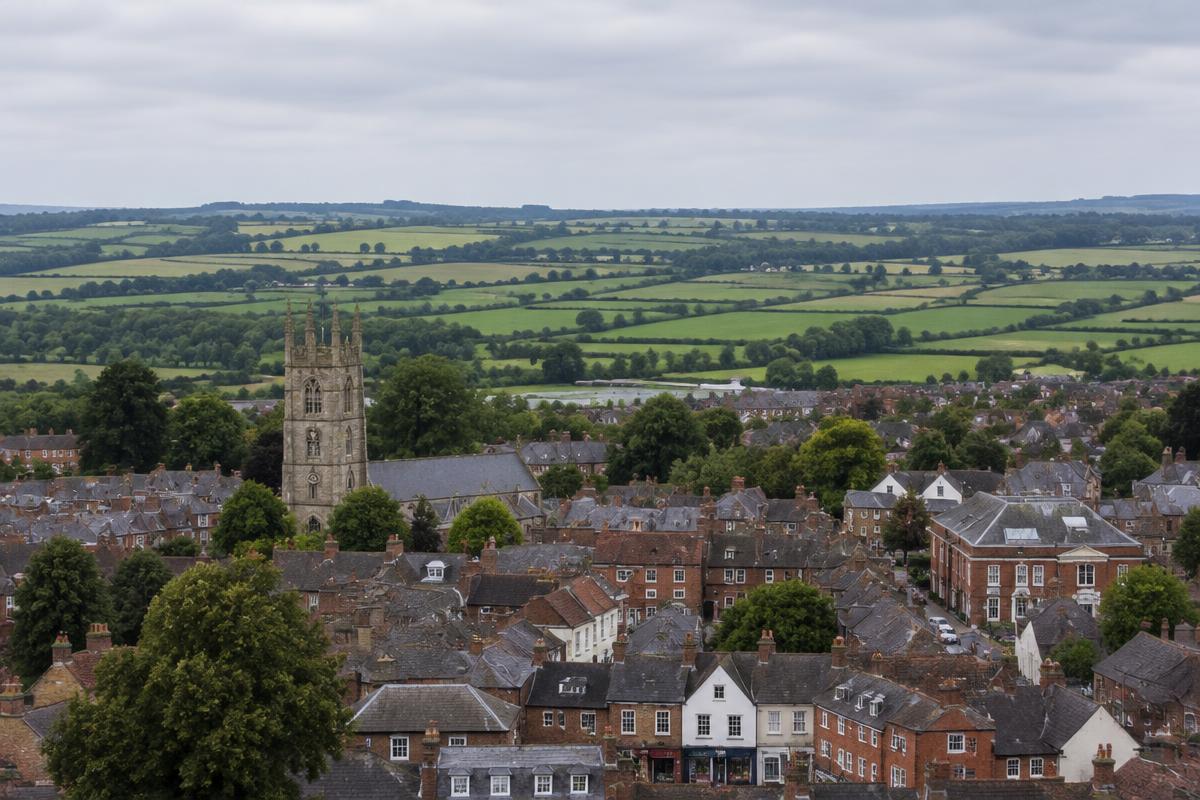
Asset finance in Aylesbury
Asset finance for Aylesbury and the Vale, from farm machinery to vans, plant and shop-floor equipment.
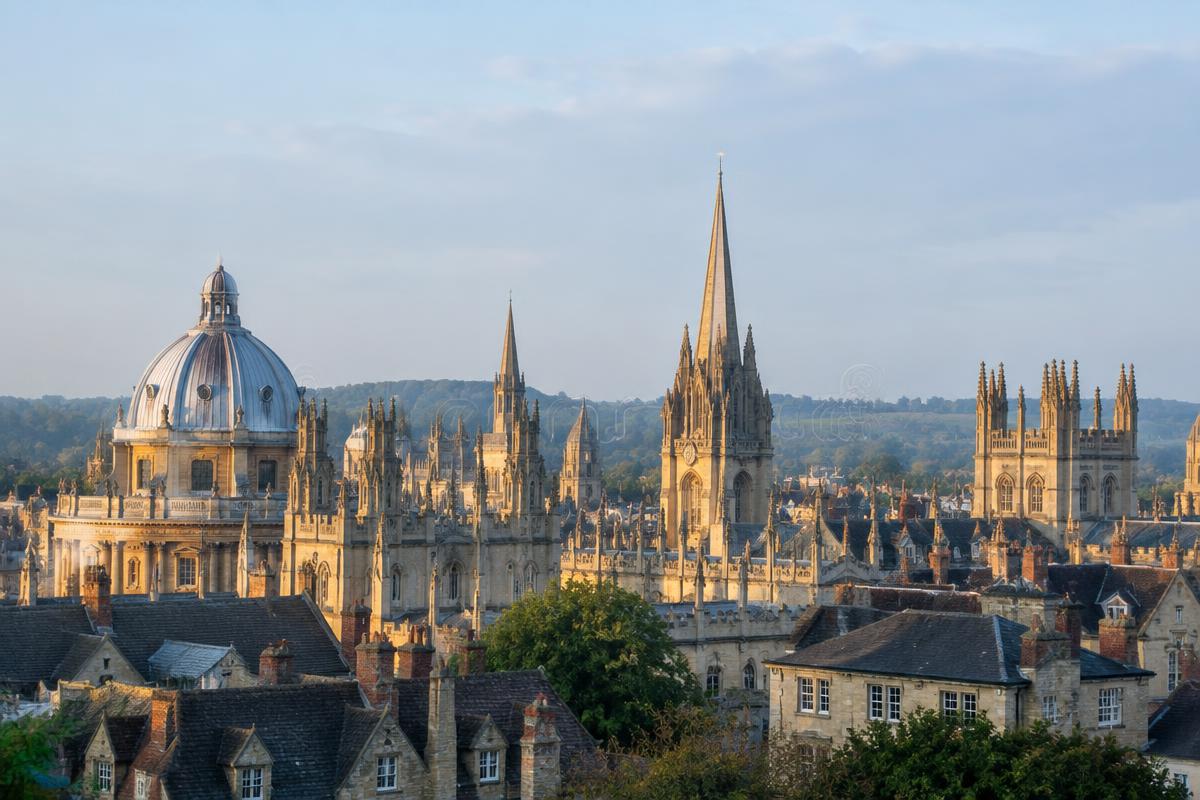
Asset finance in Oxford
Equipment, vehicle and technology finance for Oxford businesses, from £5,000 to £5m.
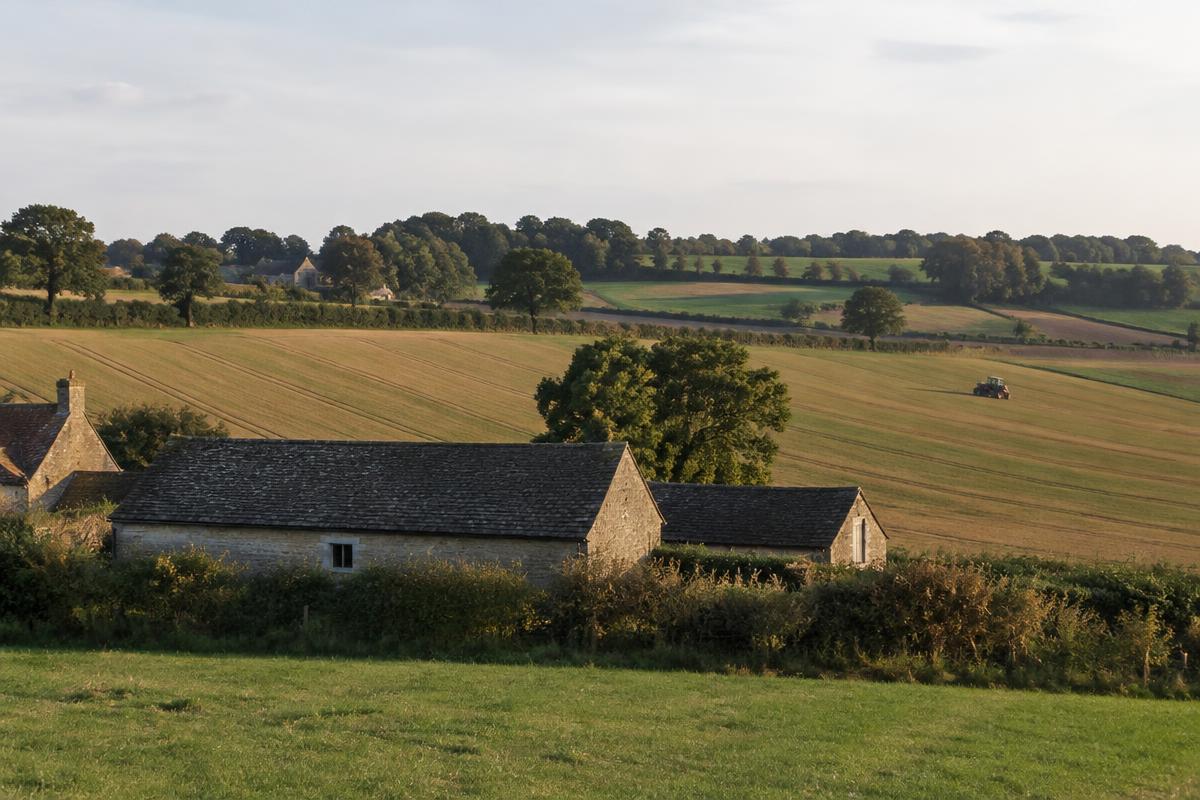
Asset finance in Oxfordshire
County-wide asset finance for Oxfordshire farms, contractors, workshops and clubs.
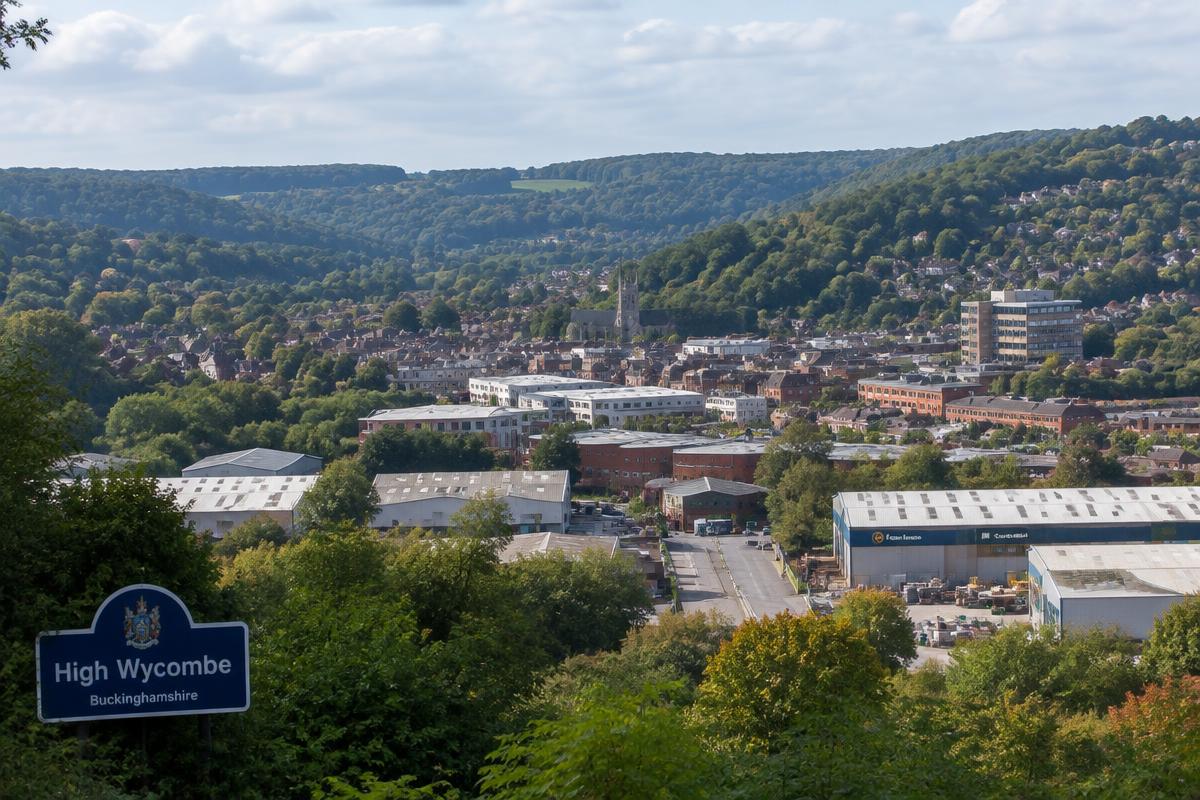
Asset finance in High Wycombe
Asset finance for High Wycombe manufacturers, joiners, contractors and service businesses.