Asset leasing · Finance guide
Asset Leasing Company: Lease Business Equipment the Simple Way
By Jack Bridges, Director of Buckingham Leasing
What an asset leasing company does, the agreements available, what you can lease and how to choose the right provider for your business.
Free, no obligation quote
Get your asset leasing quote
Four quick details. A specialist calls you back within one working day.
In this article
- What is an asset leasing company?
- Why businesses use an asset leasing company
- Protect your cash
- Match payments to income
- Keep other credit lines free
- Fixed, predictable costs
- Upgrade on your terms
- Types of asset leasing explained
- Hire purchase
- Finance lease
- Operating lease
- Contract hire
- Refinance and capital release
- What can you lease?
- How to choose the right asset leasing company
- 1. Check FCA authorisation
- 2. Ask how they are paid
- 3. Look for sector knowledge
- 4. Compare the whole agreement, not just the rate
- 5. Check flexibility
- 6. Judge the service
- 7. Read real reviews
- Leasing company, bank or dealer finance?
- Red flags to watch for
- What affects the cost of asset leasing?
- The application process, step by step
- Documents to have ready
- Asset leasing for different types of business
- Farms and estates
- Golf clubs and sports grounds
- Contractors and plant hire
- Start-ups and young businesses
- Established SMEs
- End-of-term options
- Tax and accounting, in brief
- Why choose Buckingham Leasing as your asset leasing company
- Asset leasing company questions
- What does an asset leasing company do?
- Is it better to use an asset leasing company or a bank?
- What can I lease through an asset leasing company?
- How long does approval take?
- Do I need a deposit to lease equipment?
- Can a new business lease equipment?
- What happens at the end of an asset lease?
- Is Buckingham Leasing an asset leasing company?
- Talk to an asset leasing specialist
An asset leasing company funds the machinery, vehicles and equipment your business needs, so you can put them to work now and spread the cost over a fixed term. This guide explains what an asset leasing company does, the types of agreement available, what you can lease, how to compare providers and what to expect when you apply.
Buckingham Leasing is an FCA-authorised asset finance broker based in Buckingham. We work with farms, estates, golf and sports clubs, contractors and growing businesses across the UK, arranging leasing and hire purchase from £5,000 to £5m through a panel of specialist funders. If you are looking for an asset leasing company you can talk to in plain English, this page is for you.
What is an asset leasing company?
An asset leasing company provides the money to acquire a business asset, then lets you use that asset in return for regular payments. The asset might be a tractor, a fleet of mowers, a mini digger, a van, a production line or a set of servers. Instead of finding the full purchase price in one go, you pay monthly, quarterly or seasonally over an agreed term, usually between two and seven years.
The asset itself normally acts as security for the agreement. That is the key difference from an unsecured business loan. Because the funder can rely on the value of the equipment, asset leasing is often easier to arrange, quicker to approve and better priced than general borrowing.
There are two kinds of business you might deal with when you search for an asset leasing company:
- Direct funders. Banks, manufacturer finance arms and independent leasing firms lend their own money. They offer their own products, on their own criteria.
- Asset finance brokers. Brokers such as Buckingham Leasing do not lend. We compare a panel of funders, present your application to the ones most likely to say yes on good terms, and manage the deal through to payout.
Both have their place. A direct funder can be a good fit if you already know exactly which product you want and you meet their criteria. A broker earns its keep when the deal is less standard, when you want to compare several offers, or when you would rather one person handled the whole process.
Why businesses use an asset leasing company
Most businesses lease assets for the same handful of reasons. Understanding which matter most to you makes it easier to choose the right provider and the right agreement.
Protect your cash
Paying cash for a large machine can drain working capital that you need for wages, stock, fuel and the unexpected. Leasing keeps that money in the business, while the asset starts earning straight away.
Match payments to income
A good asset leasing company will structure repayments around how your business actually earns. Farms can often pay after harvest, golf clubs around membership renewals and contractors in line with contract stages. Seasonal, quarterly and stepped profiles are all common.
Keep other credit lines free
Because the asset secures the agreement, asset leasing usually sits separately from your overdraft and bank facilities. That leaves those lines available for day-to-day needs.
Fixed, predictable costs
Most leasing and hire purchase agreements carry a fixed rate, so the payment you agree is the payment you make. That makes budgeting simpler, especially when interest rates are moving.
Upgrade on your terms
Leasing makes it easier to replace equipment on a planned cycle, before it becomes unreliable or expensive to maintain. Many of our clients plan their next machine at the point they sign for the current one.
Types of asset leasing explained
"Leasing" is often used loosely to cover several different agreements. An asset leasing company should explain each clearly and tell you which suits your plans. Here are the main ones.
Hire purchase
With hire purchase, you pay for the asset in instalments and own it once the final payment, often with a small option-to-purchase fee, has been made. It suits machinery you intend to keep for most of its working life, such as a tractor or a reliable piece of plant. For tax purposes the asset is usually treated as yours from the start, which can allow you to claim capital allowances. Your accountant can confirm how this applies to your business.
Finance lease
A finance lease lets you use the asset for most of its economic life while the funder keeps ownership. Payments are usually treated as a business expense. At the end, you can typically continue at a reduced rental, sell the asset to a third party and receive most of the proceeds, or return it. It suits businesses that want the use of an asset without owning it outright.
Operating lease
An operating lease covers only part of the asset's life. The funder takes the risk on its value at the end of the term, which can mean lower payments. You hand the equipment back or upgrade when the term ends. It is common for vehicles, IT and machinery that is replaced on a regular cycle.
Contract hire
Contract hire is a form of operating lease used mainly for vehicles. It can include maintenance, so you pay one fixed monthly cost and hand the vehicle back at the end.
Refinance and capital release
If you already own equipment outright, an asset leasing company can release cash tied up in it. With asset refinance, a funder buys or lends against your existing machinery, and you keep using it while repaying over a term. It is a useful way to fund growth, settle more expensive debt or ease cash flow.
For a side-by-side look, our finance products page compares each structure, and our guide to what asset finance is covers the wider picture.
What can you lease?
Almost any business asset with a resale value can be funded. The assets we arrange most often include:
- Agriculture: tractors, combines, drills, sprayers, telehandlers, livestock housing and handling. See agricultural leasing and our main tractor financing guide.
- Groundscare and golf: fairway and greens mowers, rollers, utility vehicles and compact tractors. See groundscare equipment finance and sports leasing.
- Construction and plant: micro and mini diggers, tracked dumpers, access platforms and loaders. See construction equipment finance.
- Transport: vans, pickups, HGVs and trailers. See haulage equipment finance.
- Technology: servers, laptops, telecoms and security systems. See IT equipment leasing.
- Energy: solar, battery storage, biomass and EV charging. See renewable energy finance.
- Hospitality and production: brewing kit, manufacturing lines and engineering tools. See brewery finance and manufacturing equipment finance.
Both new and used assets can be funded, from franchised dealers, private sellers and auctions. Used equipment is assessed on age, hours, condition and service history, so it helps to have those details ready. Browse examples in our machinery section, including Kubota, Avant, Baroness, Hinowa and FSI models.
How to choose the right asset leasing company
Asset leasing providers can look similar online. These are the checks that separate a good one from the rest.
1. Check FCA authorisation
Any firm arranging regulated credit must be authorised by the Financial Conduct Authority. Even where an agreement is unregulated, choosing an authorised firm means you deal with a business that is held to clear standards on fair treatment, complaints and transparency. You can check any firm on the FCA Financial Services Register.
2. Ask how they are paid
Brokers are usually paid commission by the funder. A trustworthy asset leasing broker will tell you that, and tell you how it works, before you sign. If a firm is vague about how it earns, ask again.
3. Look for sector knowledge
A funder that understands your industry will value your equipment properly and accept repayment profiles that fit your income. Ask the provider which sectors they work with most and whether they can name the machines you use.
4. Compare the whole agreement, not just the rate
The headline rate matters, but so do the deposit, the term, any fees, the balloon or residual payment, and what happens at the end. Ask for the total amount payable and the end-of-term options in writing.
5. Check flexibility
Can payments be seasonal? Can you settle early, and what would that cost? Can the agreement include several assets, or add one later? Flexibility is often worth more than a small difference in rate.
6. Judge the service
Notice how quickly they reply, whether they explain things in plain English, and whether you speak to the same person each time. You may be with this provider for several years, so the relationship matters.
7. Read real reviews
Independent reviews and case studies show how a provider behaves when a deal is not straightforward. Read our case studies to see the kinds of projects we handle.
Leasing company, bank or dealer finance?
When you buy equipment, you will usually be offered finance in three places: your bank, the dealer selling the machine, and an independent asset leasing company or broker. Each has strengths.
Your bank knows your business and may move quickly if you already hold facilities there. However, banks tend to offer only their own products, and their appetite for used or specialist machinery can be limited.
Dealer finance is convenient and sometimes comes with manufacturer support on new machines. It is worth comparing, but remember it is tied to that dealer and that machine.
An independent asset leasing broker can compare several funders at once, including the specialists that understand your sector. That makes it easier to fund used kit, mixed fleets, seasonal payment profiles or businesses with a less straightforward history. Our article on asset finance versus a bank loan goes into more detail.
Whichever route you choose, it is sensible to get at least one comparison before you sign, so you know the offer in front of you is a fair one.
Red flags to watch for
- Pressure to sign the same day, or before you have seen the full terms.
- Upfront fees for "guaranteed approval". No legitimate funder can guarantee approval before assessing an application.
- No clear FCA authorisation or registered company details.
- A quoted payment with no total amount payable or end-of-term explanation.
- Reluctance to put anything in writing.
What affects the cost of asset leasing?
Every asset leasing company prices agreements on similar factors. Knowing them helps you prepare a stronger application.
- The asset. Equipment that holds its value well, such as a well-known tractor or excavator brand, is lower risk for the funder.
- Age and condition. Newer assets with documented service history usually attract longer terms and better pricing.
- Term. Longer terms reduce each payment but increase the total cost. The best term matches how long the asset will earn for you.
- Deposit. A larger upfront payment reduces the funder's risk and the amount you borrow.
- Your business profile. Trading history, recent accounts, credit record and the experience of the directors all play a part.
- The wider market. Funders' own cost of money moves with interest rates. Read our view on what UK interest rates mean for your business.
Rates are personal to each application, so be wary of any provider quoting a rate before they know about your business and the asset.
The application process, step by step
With a broker, the process is straightforward and you deal with one person throughout.
- Tell us what you need. Share the asset, the supplier, the price and when you need it. The short form at the top of this page is enough to start.
- We review and recommend. We talk through how you want to pay and what you plan to do at the end of the term, then recommend a structure.
- We approach the right funders. We present your application to the funders on our panel most likely to approve it on good terms.
- You choose. We explain the offers in plain English, including the total payable and end-of-term options.
- Sign and pay out. Documents are signed, often electronically. The funder pays the supplier, and you collect your equipment.
Our how asset finance works page explains each stage in more detail.
Documents to have ready
- A supplier quote or invoice for the asset, including its specification and, for used kit, hours and age.
- Your most recent filed accounts, and management accounts if your year end was some time ago.
- Recent business bank statements, often the last three months.
- Details of the business and its directors or partners.
- For larger deals, a short explanation of how the asset will generate income or save cost.
Having these ready is the single easiest way to speed up a decision.
Asset leasing for different types of business
Farms and estates
Farm income is seasonal, so the best asset leasing companies for agriculture offer payment profiles that follow harvest, milk or livestock sales. Funders that know agriculture also value used tractors and implements more accurately. Our farm machinery finance guide covers this in depth.
Golf clubs and sports grounds
Clubs often replace whole fleets of mowers and utility vehicles at once. A provider used to the sector can fund a mixed fleet in one agreement, with payments timed around membership income.
Contractors and plant hire
Contractors need machines ready when a contract starts. Speed of approval and the ability to add machines to an existing facility matter most here.
Start-ups and young businesses
New businesses can lease assets, though funders will look closely at the directors' experience and may ask for a deposit or personal guarantee. A broker can steer the application to funders that accept younger businesses.
Established SMEs
For growing businesses, asset leasing is a way to invest without tying up capital. Our guide to funding a growing SME covers how to plan investment over several years.
End-of-term options
Ask any asset leasing company to explain the end of the agreement before you sign. Your choices normally depend on the structure:
- Hire purchase: pay any final fee and the asset is yours.
- Finance lease: continue at a reduced "peppercorn" rental, sell the asset to a third party and receive an agreed share of the proceeds, or return it.
- Operating lease or contract hire: return the asset, extend for a period, or upgrade to a new one.
Planning this from the start avoids surprises, and makes replacing equipment much smoother when the time comes.
Tax and accounting, in brief
How a leasing agreement is treated for tax and in your accounts depends on its structure and your circumstances. In general terms, hire purchase assets are usually treated as owned by the business for capital allowances, while lease rentals are usually treated as a running cost. Buckingham Leasing does not give tax advice, so please speak to your accountant before choosing a structure. You can find general guidance on capital allowances at GOV.UK.
Why choose Buckingham Leasing as your asset leasing company
- FCA-authorised broker, with clear, upfront information on how we are paid.
- A panel of UK funders, so you get a comparison, not a single take-it-or-leave-it offer.
- Specialist sector knowledge in agriculture, groundscare, golf, construction, transport and technology.
- £5,000 to £5m, for single machines or whole fleets, new or used.
- Seasonal and flexible payments that follow how your business earns.
- One named contact from first call to payout, and decisions often within one business day.
We are based in Buckingham and work with businesses right across the UK, including local asset finance across Buckinghamshire, Oxfordshire, Northamptonshire and the home counties.
Asset leasing company questions
What does an asset leasing company do?
An asset leasing company funds the equipment, machinery or vehicles your business needs, so you can use them now and pay over an agreed term rather than paying the full price upfront. Some lend their own money; brokers such as Buckingham Leasing compare a panel of funders to find the right agreement for you.
Is it better to use an asset leasing company or a bank?
A bank usually offers its own products only. An asset leasing broker can compare several specialist funders, including ones that understand machinery values, seasonal income or used equipment, which can mean better terms or approval where a bank says no.
What can I lease through an asset leasing company?
Most business equipment with a resale value: tractors, farm machinery, groundscare and golf machinery, construction plant, vans and HGVs, manufacturing equipment, IT, medical equipment and renewable energy systems. Soft assets such as software can also be funded in some cases.
How long does approval take?
For straightforward applications, a decision often comes within one business day once the funder has the quote and basic business details. Larger or more complex deals can take longer while accounts and the asset are reviewed.
Do I need a deposit to lease equipment?
Not always. Some agreements need an upfront payment or deposit, while strong applicants may be offered agreements with little or none. It depends on the asset, the term and your business profile.
Can a new business lease equipment?
Yes, it is possible. Funders look at directors' experience, the asset's value, any deposit and the business plan. Start-ups may be asked for more information or a personal guarantee.
What happens at the end of an asset lease?
It depends on the agreement. With hire purchase you own the asset after the final payment. With a finance lease you can usually extend, sell the asset to a third party and share the proceeds, or return it. With an operating lease you normally hand it back or upgrade.
Is Buckingham Leasing an asset leasing company?
Buckingham Leasing is an FCA-authorised asset finance broker based in Buckingham. We do not lend our own money; we arrange leasing, hire purchase and refinance through a panel of UK funders, from £5,000 to £5m, subject to status.
Talk to an asset leasing specialist
If you are comparing asset leasing companies, the easiest next step is a short conversation. Tell us the asset, the supplier and when you need it, and we will explain the options that fit your business. Use the form at the top of this page or call us, and a specialist will come back to you within one working day. No obligation, free quote.
Want to compare providers yourself first? Read our article on how to find the best asset leasing company.
Finance is subject to status and the funder's terms. Buckingham Leasing is a credit broker, not a lender.
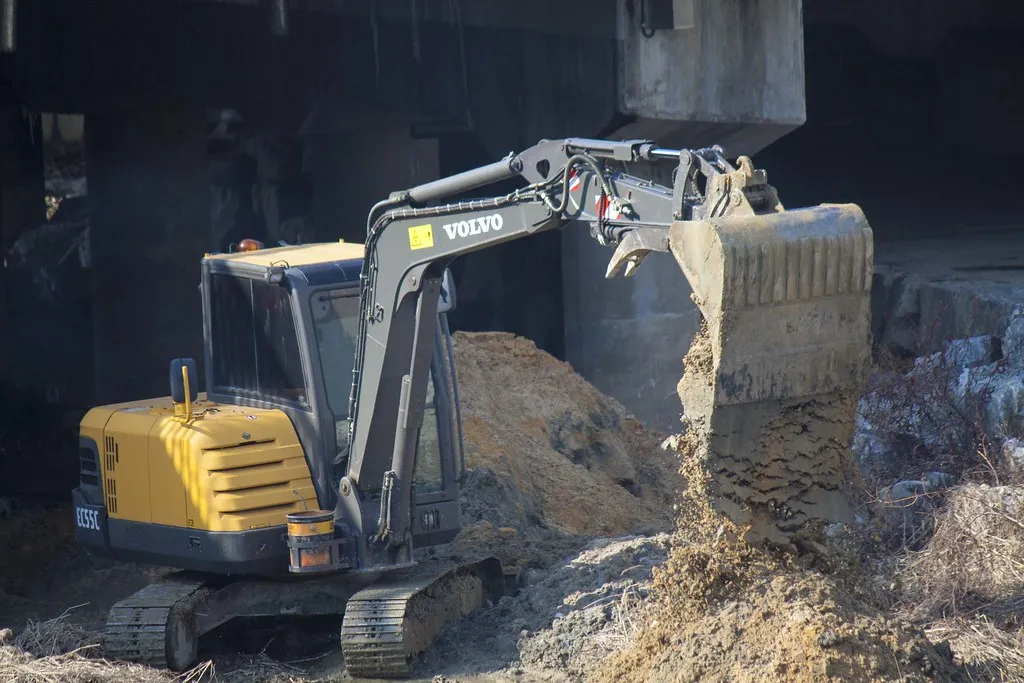
Photo: excavator at work, Flickr, CC0 public domain dedication.