Business
Renewable Energy Finance UK: The Complete Guide for Businesses
Everything UK businesses need to know about renewable energy finance: funding solar PV, battery storage, heat pumps, biomass and EV charging, finance routes, business cases and how a specialist broker helps.
In this article
- Quick answers about renewable energy finance
- Why renewable energy finance matters now
- What renewable energy equipment can be financed?
- Solar PV
- Battery energy storage
- Low-carbon heat
- Transport and charging
- Efficiency and enabling works
- How renewable energy finance works: the main routes
- Hire purchase
- Finance lease
- Operating lease and contract hire
- Asset refinance
- Staged payments for larger projects
- Building the business case for a renewable project
- Understand your energy use
- Size the system properly
- Model savings conservatively
- Consider the full life of the system
- Check the grid connection
- What funders look for
- Renewable energy finance by sector
- Farms and estates
- Manufacturing and industry
- Warehousing and logistics
- Hospitality, leisure and sport
- Breweries and food producers
- Healthcare and care homes
- Installers and EPC contractors
- Solar PV finance in more depth
- Battery storage finance in more depth
- Heat pump and biomass finance in more depth
- EV charging finance in more depth
- Grants, incentives and tax
- Common mistakes to avoid
- How to apply for renewable energy finance
- Why use a specialist broker?
- Glossary
- Speak to a renewable energy finance specialist
Renewable energy finance lets a UK business install solar panels, battery storage, heat pumps, biomass boilers or EV chargers now and spread the cost over an agreed term, usually through hire purchase, a finance lease or asset refinance. Because a well-designed system cuts energy bills or earns export income, the savings can help pay for the equipment. Buckingham Leasing is a UK finance broker arranging renewable energy finance from £5,000 to £5m for businesses, farms, estates, schools, clubs and the installers who serve them.
This guide is written for business owners, finance directors, farmers and installers who want a clear, honest answer to one question: how do we pay for renewable energy without tying up the cash the business needs? It covers what can be financed, how each finance route works, what funders look for, how to build a project case, the role of grants and tax, and how a specialist broker helps. For the short version, our renewable energy finance page sets out how we work, and you can request a quote at any time.
Quick answers about renewable energy finance
- What is it? Funding that spreads the cost of renewable and low-carbon equipment over a fixed term, keeping working capital free.
- What can be financed? Solar PV, battery storage, heat pumps, biomass boilers, EV chargers, inverters, monitoring, grid connections and installation.
- Who is it for? Commercial and industrial businesses, farms and estates, hospitality, sports clubs, schools, care homes and installers.
- Deal size? We arrange facilities from £5,000 to £5m.
- Terms? Typically one to seven years, matched to the working life of the system.
- Main routes? Hire purchase to own the system, finance lease to use it with VAT spread, and refinance to release cash from an existing installation.
- Do savings cover the payments? Often they help significantly, but it depends on the project. Model it carefully.
- Are we a lender? No. We are an independent broker. We find and present the right funder for the project.
Why renewable energy finance matters now
For many UK businesses, energy has moved from a background cost to a board-level risk. Price swings in recent years have shown how exposed firms are when every kilowatt hour comes from the grid at whatever the market charges. At the same time, customers, supply chains and lenders increasingly ask businesses what they are doing to cut carbon. Renewable energy answers both pressures: it reduces exposure to grid prices and it gives the business a measurable sustainability story.
The obstacle is rarely the logic. It is the upfront cost. A commercial solar array, a battery system or a heat pump installation is a significant capital outlay, and paying outright can drain the cash a business needs for stock, wages and growth. Renewable energy finance removes that obstacle. Instead of a large payment on day one, the business makes regular payments over the life of the agreement, while the system starts saving money from the day it is switched on.
That is the core idea behind every project we arrange: let the asset help pay for itself. Where the monthly saving is close to, or above, the monthly payment, the project can improve cash flow from the first month. Where it is lower, the business is still spreading the cost of an asset that will keep working long after the final payment.
What renewable energy equipment can be financed?
If the equipment is identifiable, properly specified, installed by a competent contractor and holds value, a funder will usually consider it. Across UK businesses we regularly see finance for:
Solar PV
- Roof-mounted solar on warehouses, factories, barns, offices and retail units
- Ground-mounted arrays on farmland and estates
- Solar carports over staff and customer parking
- Inverters, optimisers, mounting systems and cabling
- Monitoring, metering and export equipment
Battery energy storage
- Behind-the-meter batteries storing solar generation for later use
- Batteries used to shift demand away from peak tariffs
- Containerised storage for larger sites
- Battery management systems and controls
Low-carbon heat
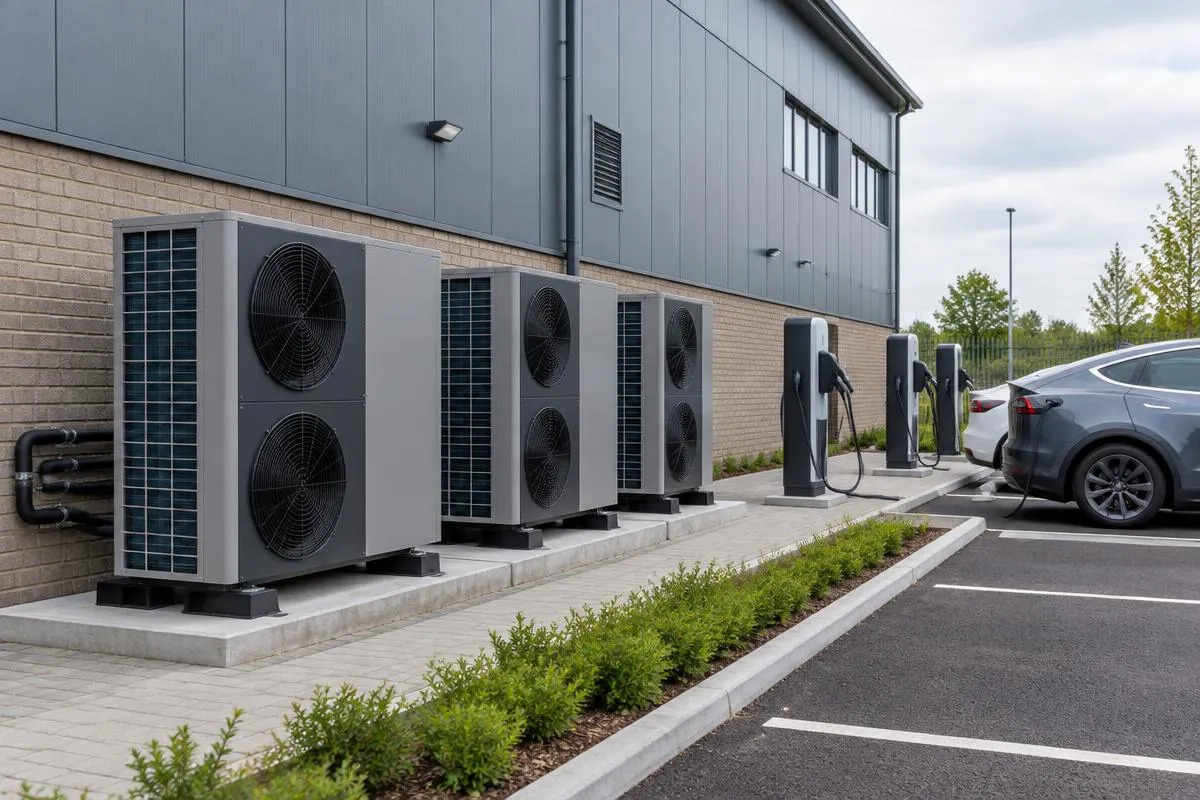
- Commercial air source and ground source heat pumps
- Biomass boilers, fuel stores and handling systems
- Heat networks and thermal stores
- Grain dryers and process heat replacements on farms
Transport and charging
- Workplace, depot and destination EV chargers
- Rapid chargers for fleets and public use
- Electric vans, cars and utility vehicles
- Load management systems to protect the site supply
Efficiency and enabling works
- LED lighting upgrades
- Variable speed drives, efficient compressors and motors
- Voltage optimisation and power factor correction
- Grid connection works and transformers, where part of a wider project
Installation, design and commissioning can usually be included alongside the equipment, so the business has one agreement and one monthly payment for the whole project.
How renewable energy finance works: the main routes
There is no single right product. The best route depends on whether you want to own the system, how you want to treat VAT, your tax position and how the system fits into your wider plans. These are the routes we use most often.
Hire purchase
With hire purchase, the funder buys the system and you pay for it in instalments. Once the final payment is made, ownership passes to you. Hire purchase suits long-life assets such as solar arrays and heat pumps that the business wants to own and keep for many years. The business may be able to claim capital allowances, subject to its own position and advice from its accountant. VAT is usually paid upfront and reclaimed by VAT-registered businesses in the normal way.
Finance lease
With a finance lease, the funder owns the system and you pay rentals to use it. VAT is added to each rental rather than paid upfront, which can help cash flow. At the end of the primary term you can usually continue to use the system for a small secondary rental. Leasing can suit businesses that prefer to treat the payments as a running cost.
Operating lease and contract hire
For certain assets, particularly EVs and some chargers, an operating lease or contract hire lets the business use the asset for a set period and hand it back. This can suit fast-moving technology where the business wants to upgrade rather than own.
Asset refinance
If the business already owns a solar array, battery or biomass system outright, asset refinance can release capital from it. The funds can support the next project, working capital or growth. The funder values the system and assesses affordability like any other agreement.
Staged payments for larger projects
Bigger installations are often paid in stages: a deposit at order, a payment on delivery and the balance on commissioning. Some funders can support staged payments; others pay only once the system is complete. Raise the payment schedule at the start so the facility matches the installer's terms.
Building the business case for a renewable project
Funders like renewable projects that make commercial sense. A clear, honest business case speeds up approval and protects the business from overpromising. Here is what a strong case usually includes.
Understand your energy use
Start with real consumption data, ideally half-hourly data from your supplier or meter. When does the site use most power? Weekdays, weekends, mornings, evenings? Solar is most valuable when generation is used on site, so a business that runs during daylight hours often sees the strongest return.
Size the system properly
An oversized system exports more power, often at a lower value than the power it replaces. An undersized system leaves savings on the table. A good installer will size the system to the site's demand, roof or land space and grid connection.
Model savings conservatively
Savings depend on generation, self-consumption, tariffs and export arrangements. We encourage clients to use conservative assumptions. If the project still makes sense on cautious numbers, it is a strong project.
Consider the full life of the system
Solar panels typically carry long performance warranties, while inverters may need replacing during the system's life. Batteries have their own warranty and cycle limits. A realistic case allows for maintenance and component replacement.
Check the grid connection
Larger systems may need approval from the local distribution network operator, and export capacity can be limited in some areas. Check this early, because grid constraints can change the design and the timeline.
What funders look for
Renewable energy finance is assessed on the business, the asset and the installer. Knowing what funders want makes the process quicker.
- The business: recent accounts, management figures for larger deals, bank statements and the directors' credit history.
- The project: a written quotation with a full specification, the installer's details, expected generation or savings, and the installation timeline.
- The installer: experience, accreditations where relevant, warranties and aftercare. Funders prefer established installers with a track record.
- The site: who owns the roof or land, whether the business has a lease and how long it runs. If the business rents its premises, the landlord's consent may be required.
- Affordability: whether the business can comfortably meet the repayments, regardless of savings.
Projects on leased premises need particular care. If the system is fixed to a building the business does not own, the funder will want to understand the lease length and the landlord's position. We can help you prepare for that conversation.
Renewable energy finance by sector
Farms and estates
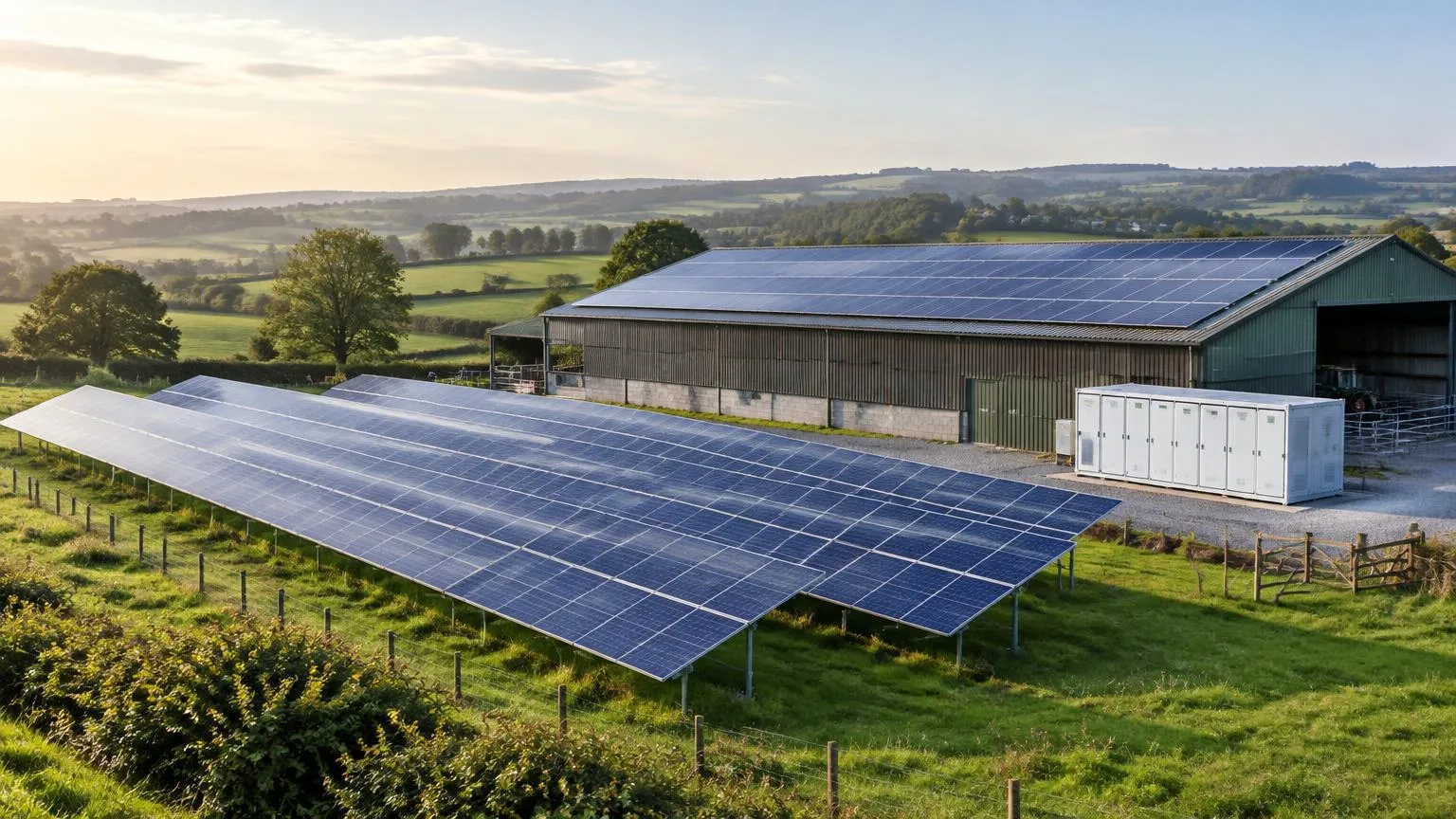
Agriculture is one of the strongest fits for renewables. Large barn roofs and spare land suit solar, and farms often use significant power for milking, cooling, grain drying and workshops. Biomass boilers can use estate timber, and battery storage can make better use of daytime generation. Seasonal repayments can be shaped around harvest and milk income. Our agricultural leasing page and our guide to solar panel finance for farms go into more detail.
Manufacturing and industry
Manufacturers with daytime production often see high self-consumption from solar, which strengthens the return. Efficient motors, compressors and process heat upgrades can sit alongside a solar project. See our manufacturing finance page.
Warehousing and logistics
Large, flat warehouse roofs are ideal for solar, and depots moving to electric vans need charging infrastructure. A combined solar, battery and charging project can be funded together. Our fleet and haulage finance page covers vehicles and chargers.
Hospitality, leisure and sport
Hotels, pubs, golf clubs and leisure centres use energy for heating, hot water, kitchens and pools. Heat pumps and solar can cut running costs significantly. Our sport and leisure finance page explains how clubs fund projects.
Breweries and food producers
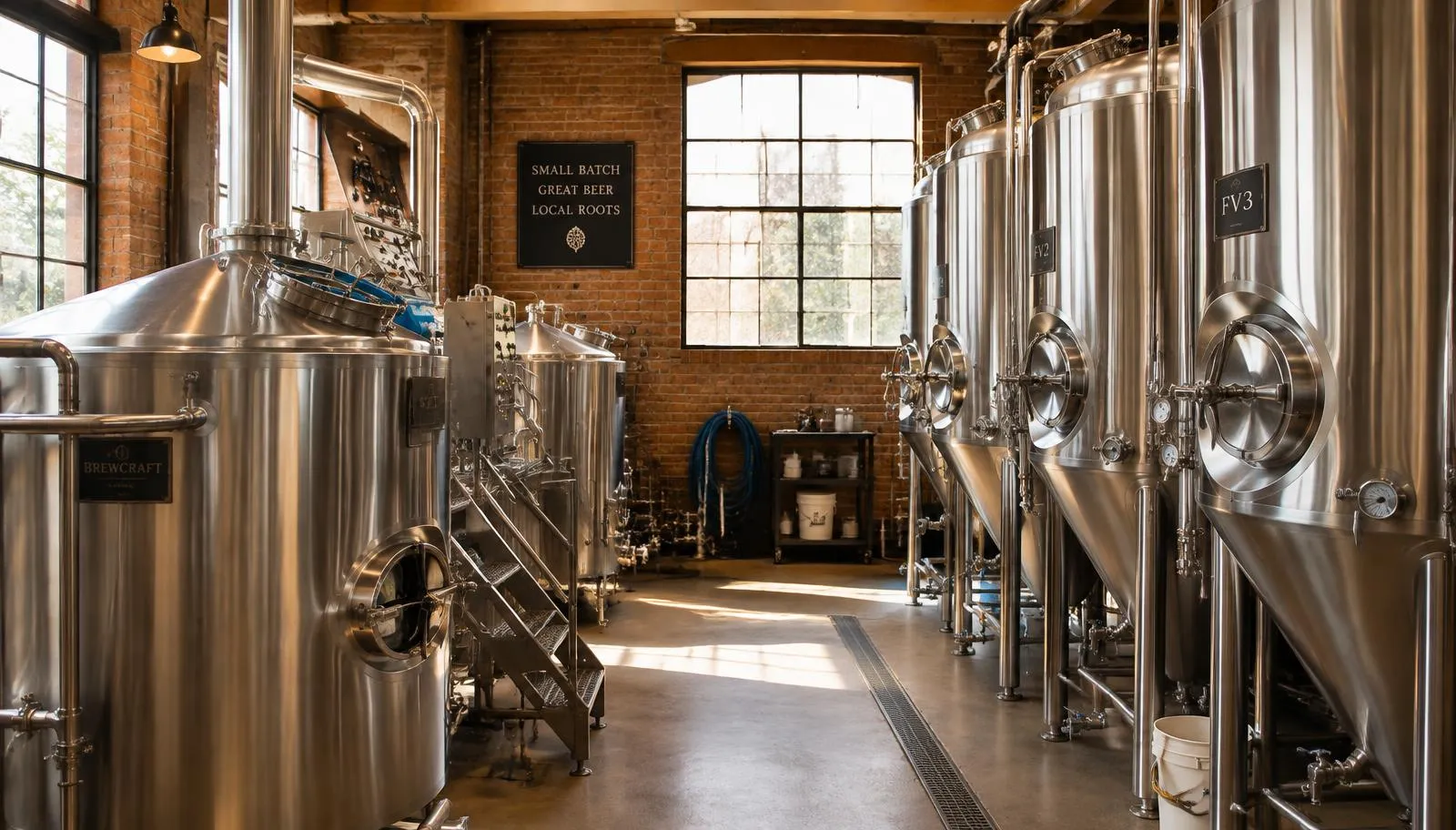
Brewing, chilling and food processing are energy-hungry. Solar and heat recovery are increasingly common. Our brewery finance page covers the wider brewing context.
Healthcare and care homes
Care homes, surgeries and veterinary practices run around the clock and need reliable heating and hot water. Heat pumps and solar can reduce costs and carbon. See our healthcare finance page.
Installers and EPC contractors
Installers can offer finance to their business customers, which often helps turn a quotation into a signed order. Installers can also finance their own vans, access equipment, tools and test kit. We are happy to talk to installers about how we can support their customers.
Solar PV finance in more depth
Commercial solar is the most common renewable project we see. The questions businesses ask most are about payback, ownership and maintenance.
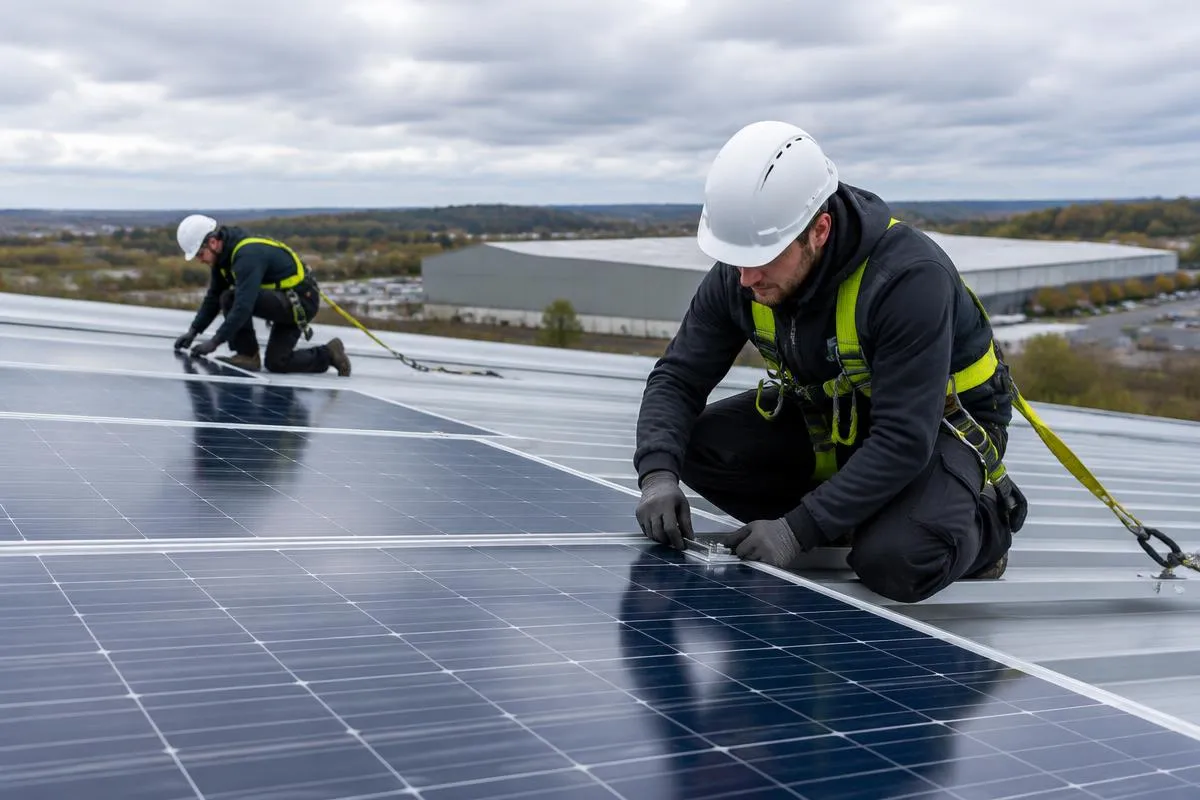
Payback. The return depends on how much generation the business uses on site, its electricity tariff and any export income. Sites that use most of their generation during the day usually see the fastest payback. Ask your installer for a clear generation forecast and a savings model with stated assumptions.
Ownership. With hire purchase, the business owns the array after the final payment and continues to benefit from the savings for the rest of the system's working life. That long tail of free generation is one of the strongest arguments for solar.
Export. Surplus power can usually be exported to the grid. Businesses may be able to earn export payments through a supplier's export tariff. Check the current arrangements with your installer and supplier, because terms vary.
Maintenance. Solar needs little maintenance, but periodic cleaning, inspections and monitoring protect performance. Inverters may need replacing during the system's life, so allow for that.
Battery storage finance in more depth
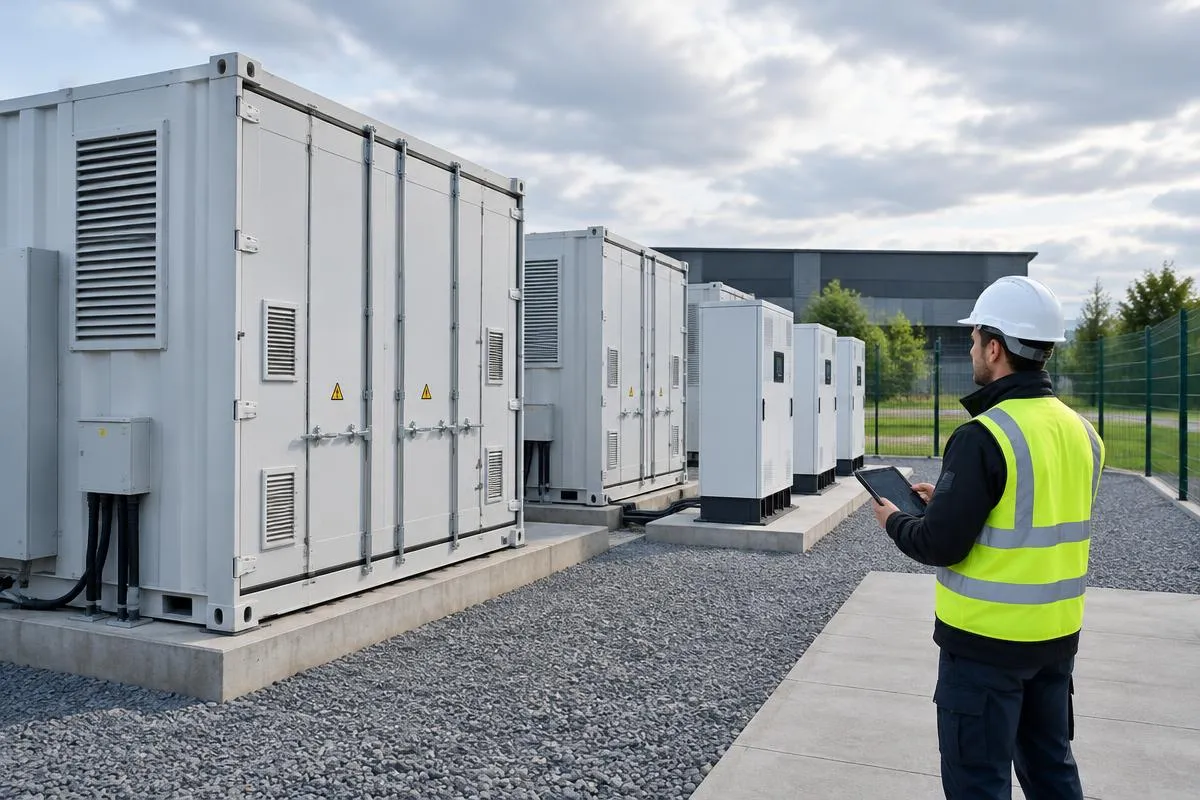
Batteries make solar more valuable by storing daytime generation for use later. They can also help a business avoid peak tariff periods and, on some sites, protect against supply interruptions.
Funders assess batteries on specification, warranty, installer and use case. A battery bought to store solar generation on a site with clear evening demand is a straightforward case. A battery bought for more complex trading or grid services needs a more detailed explanation, and not every funder will support it. A broker helps match the project to the right funder.
Heat pump and biomass finance in more depth
Low-carbon heat is often the hardest part of a business's carbon footprint to tackle, and it can be one of the most rewarding. Replacing oil, LPG or ageing gas boilers with heat pumps or biomass can cut running costs and carbon at the same time.
Heat pumps work best in well-insulated buildings with suitable heat emitters, so a good design matters. Biomass suits sites with space for fuel storage and, ideally, a local fuel supply. Both are long-life assets that suit hire purchase over a term matched to their working life.
EV charging finance in more depth
As fleets electrify, charging becomes essential infrastructure. Depot chargers, workplace chargers and destination chargers for customers can all be financed, often alongside electric vans and cars. Load management systems help avoid expensive supply upgrades. Where a business is also installing solar, charging vehicles from on-site generation can improve the return on both.
Grants, incentives and tax
Government support for renewables changes over time, and schemes open, change and close. Some grants and incentives may be available depending on the technology, sector and location. Many business projects are funded without grants at all, because the savings case stands on its own.
On tax, the treatment depends on the finance route and the business's own position. Hire purchase may allow the business to claim capital allowances on qualifying equipment, while lease rentals are often treated as a running cost. Rules change, and the right answer depends on your circumstances, so always take advice from your accountant before you decide. We are happy to work alongside your accountant.
Common mistakes to avoid
- Relying on optimistic savings. Base the decision on cautious numbers.
- Ignoring the grid connection. Check export limits early.
- Forgetting the landlord. If you rent your premises, get consent before committing.
- Choosing on price alone. Installer quality and aftercare matter for a system that should last decades.
- Mismatching the term. A term that is too short can make payments heavier than needed; one that is too long can outlast parts of the system.
- Leaving finance until the end. Talk to us early so finance fits the installer's payment schedule.
How to apply for renewable energy finance
- Get a detailed quotation. Ask your installer for a full specification, price and generation or savings estimate.
- Talk to us. We will discuss the project, your business and the best finance route.
- Share your information. Typically recent accounts, bank statements and the quotation.
- We approach funders. We present the proposal to the funders most likely to support it.
- Review the offer. We explain the terms in plain English, including the total cost and end-of-term options.
- Sign and install. Once documents are signed, the funder pays the installer according to the agreed schedule.
Many straightforward applications are decided within one working day. Larger or more complex projects take longer, especially where staged payments or landlord consent are involved.
Why use a specialist broker?
Renewable projects sit between equipment finance and energy. Not every funder understands both, and appetite varies by technology, size and sector. A specialist broker knows which funders support which projects, presents the proposal in the way funders want to see it and helps avoid delays. As a broker, we also keep the conversation focused on what is right for your business, not on a single product.
Buckingham Leasing has spent more than twenty years helping UK businesses finance the equipment they rely on. We work with farms, manufacturers, clubs, fleets and installers, and we understand how renewable projects fit into the wider business.
Glossary
- Self-consumption: the share of generated power used on site rather than exported.
- Export tariff: payment from a supplier for surplus power sent to the grid.
- Behind-the-meter: equipment on the business's side of the electricity meter.
- EPC contractor: engineering, procurement and construction contractor delivering larger projects.
- Distribution network operator: the company that runs the local electricity network and approves connections.
- Hire purchase: finance where ownership passes to you after the final payment.
- Finance lease: finance where you use the asset and pay rentals, with VAT on each rental.
- Asset refinance: releasing capital from equipment you already own.
Speak to a renewable energy finance specialist
Whether you are planning a rooftop solar array, adding battery storage, replacing an oil boiler with heat pumps or installing chargers for an electric fleet, a short conversation is the best place to start. Visit our renewable energy finance page to see the equipment we fund, read our renewable energy financing explainer, or request a quote and a specialist will call you back within one working day. No obligation, free quote.
Buckingham Leasing is a credit broker, not a lender. All finance is subject to status and the funder's terms. Energy savings depend on each project and are not guaranteed. This guide is general information and not tax, legal or financial advice.