Business
US Midterms and UK Equipment Finance: What Business Owners Should Watch
Energy prices, the AI boom and tariffs: how the US midterms could ripple through to UK businesses, interest rates and the cost of financing machinery, and what to do about it.
In this article
- Quick answers
- Why should a UK business care about an American vote?
- Question 1: Will my finance cost more?
- Question 2: Will my running costs go up?
- Question 3: Will machinery get dearer or harder to find?
- Question 4: Should I upgrade our technology now or wait?
- Bringing it home: what UK businesses should do now
- Start with the machine, not the headlines
- Lock in certainty
- Protect your working capital
- Match repayments to your income
- Get approved before you need it
- Use a broker who understands your sector
- Sector by sector: where the US story lands in the UK
- Agriculture
- Construction and plant
- Transport and haulage
- Groundscare and sports turf
- Technology and IT
- Manufacturing and engineering
- A word on what we do not know
- Frequently asked questions
- Talk to Buckingham Leasing
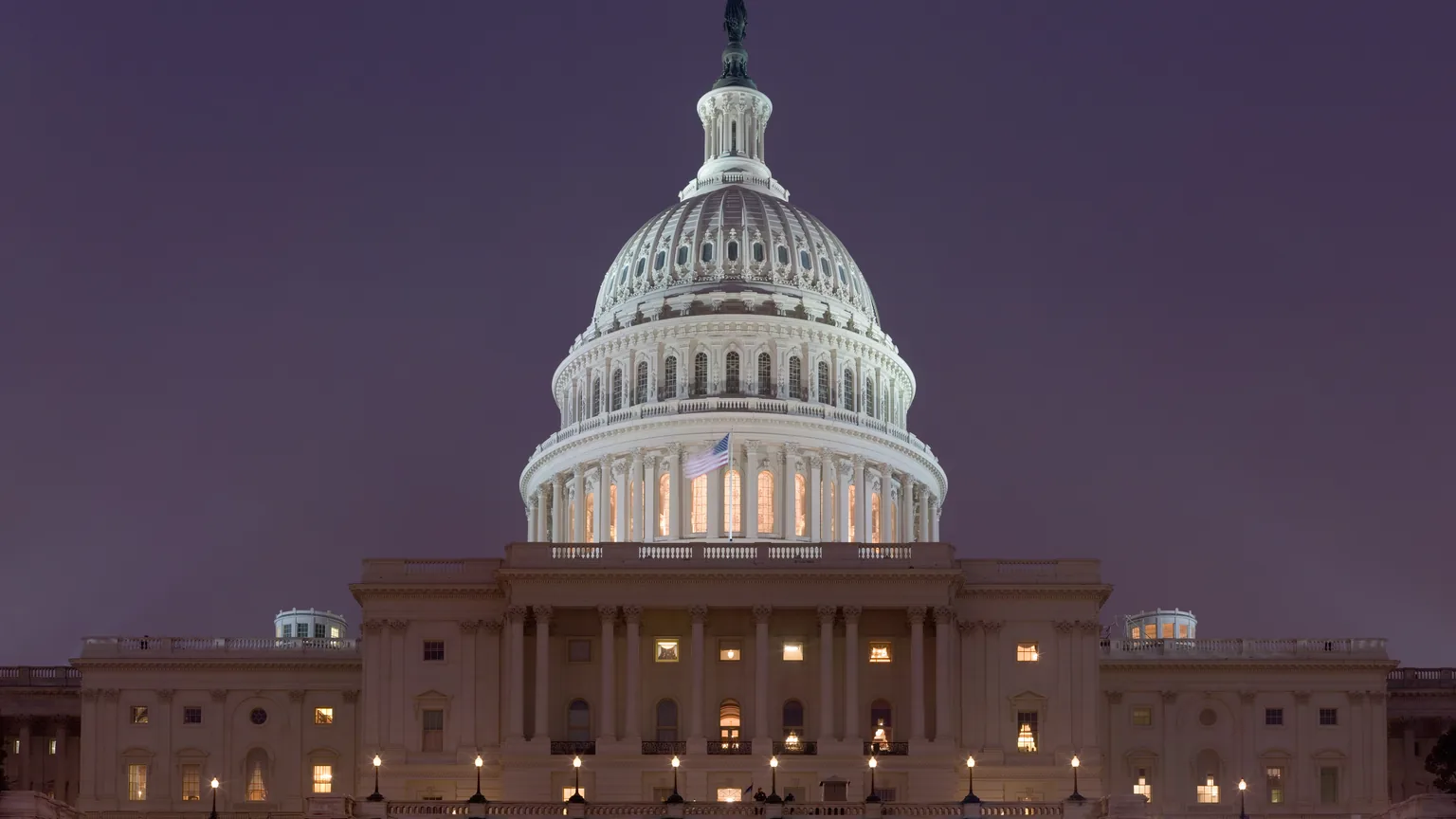
Whisper it, but the US midterms can feel a long way from a farm yard in Buckinghamshire or a haulage depot in Northampton. They are not. The result may not change a single UK law, yet it can nudge the three things that matter most when a UK business finances equipment: energy costs, interest rates and the price of imported kit. Here is our plain-English view of what to watch, and what it means for leasing in the UK.
We wrote this for the people we speak to every week: farmers, contractors, hauliers, groundscare teams, IT buyers and manufacturers deciding whether now is the right time to replace a machine. We are not economists and we do not make forecasts. We are a finance broker, and our job is to help you make a sound decision whatever the headlines say.
Quick answers

- Do the midterms change UK finance directly? No. But they can move global energy, inflation and trade, which UK funders and suppliers price in.
- What result is widely expected? Most commentators expect a split between the White House and Congress, which makes new domestic laws harder to pass.
- Why does that matter? Gridlock tends to push a president towards foreign policy and trade, the areas where he can act alone.
- What to watch: your finance costs, your running costs, machinery prices and technology demand.
- What should UK businesses do? Budget with certainty. A fixed-rate agreement locks your repayments for the full term, whatever happens next.
Why should a UK business care about an American vote?
Most of our clients have never given a second thought to Congress. Fair enough. But the price of diesel, the rate on a new agreement and the list price of an imported mower are all set in a global market, and Washington is one of the biggest voices in it.
A split result, with the White House and Congress pulling in different directions, usually means fewer new laws in America. It also tends to push a president towards the things he can do alone, such as foreign policy and trade. Those are the levers that reach UK yards, depots and offices. So rather than walk through American politics, we have answered the four questions UK business owners actually ask us.
Question 1: Will my finance cost more?
This is the question we hear first, so we will answer it first. UK asset finance is priced from the cost of money for funders, which follows the Bank of England and UK money markets, not American elections. US events only matter here if they push up inflation, and the usual route for that is energy.
The key point is simple: most hire purchase and finance lease agreements are fixed rate. The repayment you sign up to is the repayment you make on the last day of the term. A rate change next month does not touch an agreement you sign today, and it does not touch any agreement you already have.
That is why we advise clients not to try to time the market. Nobody can reliably say where rates go next. What you can do is check the machine makes sense on today's numbers, then fix those numbers. Our knowledge hub and UK market rate archive show how Bank Rate decisions have fed through to equipment finance in recent years.
Question 2: Will my running costs go up?
Possibly, and energy is where to look. Unrest in the Middle East is the biggest swing factor for oil and gas, and an American president with less room at home often spends more time abroad. That could calm markets or unsettle them. Plan for either.
For our clients, energy is never abstract. It is red diesel in the tractor, fuel in the HGV, gas in the grain dryer and power in the workshop. When it rises, two things happen together: running costs climb, and the case for more efficient equipment gets stronger.
- Older machines cost more to keep. An ageing tractor, excavator or lorry uses more fuel and spends longer in the workshop. A newer model can offset part of its own monthly payment.
- Efficiency projects stack up better. Solar, battery storage, heat pumps and efficient compressors look stronger when energy is dear. Our renewable energy finance page explains how they are funded.
- Fleets feel it first. Hauliers see fuel move margins week by week. Our fleet, LCV and haulage finance page shows how operators keep vehicles current without draining cash.
Question 3: Will machinery get dearer or harder to find?
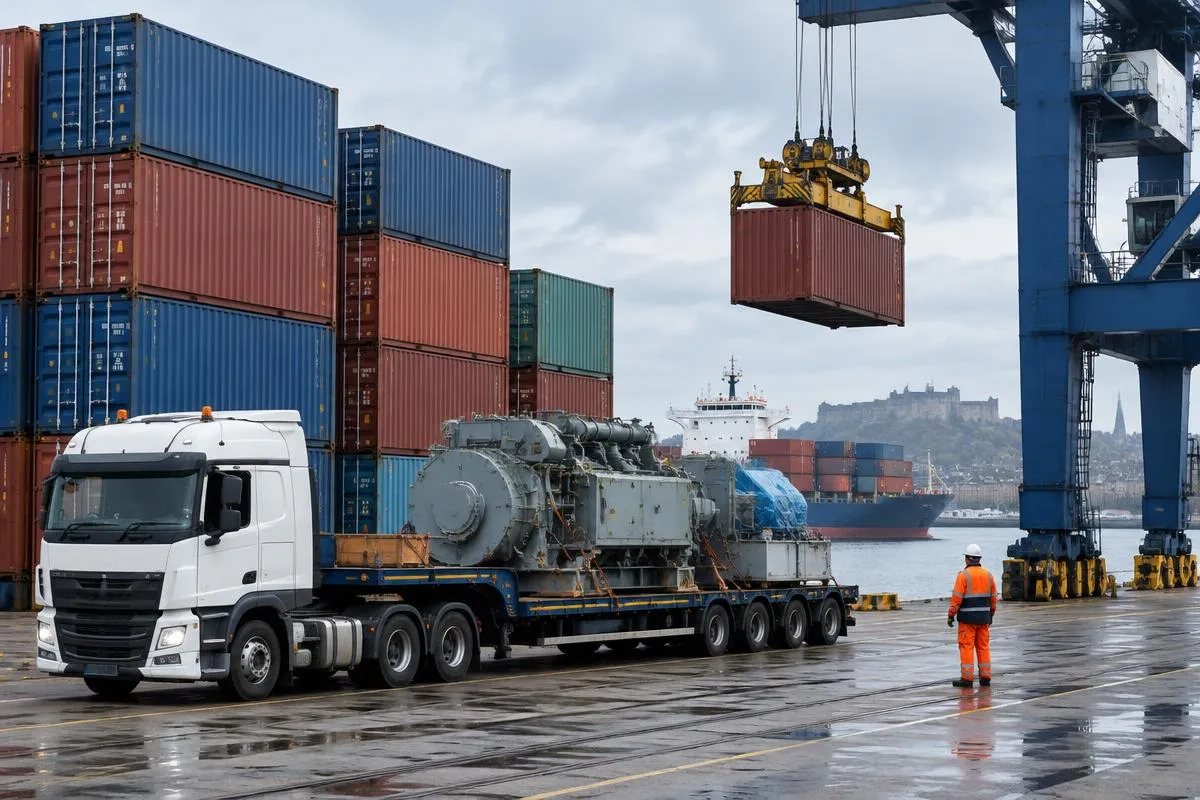
It could. Tariffs are one of the few tools an American president can use without Congress, and a stalled budget debate in Washington often brings trade back up the agenda. Europe and other partners could face new duties, and when that happens manufacturers rethink where they build and how they price.
The UK does not need to be the target to feel it. Tractors, telehandlers, mowers, excavators, vans and servers are built from parts made in many countries.
- Prices can rise with short notice. Dealers sometimes move list prices when supply costs shift. A quote and an approval in hand give you a better chance of buying at today's price.
- Stock can run short. Popular models sell out when supply is tight. Being approved in principle lets you move the moment the right machine appears.
- Used kit becomes good value. When new is dear or scarce, sound used machinery holds its value. We arrange finance on used equipment from dealers, auctions and private sellers, subject to the funder's checks.
- Imports need planning. Overseas suppliers often want money before shipping. Some funders can support staged payments, so tell us the payment schedule early.
There is some good news closer to home. The UK has taken a steadier line on public spending lately, and confidence in UK markets helps funders keep lending to well-run businesses.
Question 4: Should I upgrade our technology now or wait?
America is spending heavily on artificial intelligence, from data centres to chips, and it has become a political issue there as communities question power and water use. If enthusiasm cools, hardware demand could ease. If it keeps running hot, specialist kit may stay in short supply.
Either way, UK firms face the same pressure to modernise, from cyber security to cloud-ready networks and AI-capable laptops. Technology is a natural fit for leasing. It ages quickly, so paying for it over the years it is genuinely useful, then refreshing, usually beats buying outright and hanging on too long. You can also bundle hardware, software, installation and support into one monthly cost. See our IT, telecoms and security finance page and our IT leasing guide.
Bringing it home: what UK businesses should do now
None of this means you should rush, and none of it means you should freeze. It means planning with a little more care. Here is the practical approach we take with clients when the global news is noisy.
Start with the machine, not the headlines
Ask the simple question first: will this equipment earn money, save money or reduce risk for the business? If the answer is yes on today's numbers, the case is sound. Global events change the backdrop, but a productive machine is still a productive machine.
Lock in certainty
Fixed-rate hire purchase and finance leases give you the same repayment for the whole term. When energy, inflation and rates are all moving, knowing exactly what you will pay each month is worth a lot. You can plan cash flow, quote jobs with confidence and sleep a little better.
Protect your working capital
When costs are uncertain, cash in the bank is your safety net. Paying outright for a large machine can drain the reserves you need for fuel, wages, stock and unexpected bills. Spreading the cost keeps that cushion in place. If you already own equipment outright, asset refinance can release capital from it.
Match repayments to your income
Seasonal businesses, especially in farming, groundscare and contracting, can often have repayments shaped around when money comes in. If energy costs hit hardest in certain months, a repayment profile that reflects your trading year can ease the pressure. Our tractor financing options and agricultural leasing pages explain how seasonal payments work.
Get approved before you need it
If prices or availability might shift, an approval in principle lets you act the moment the right machine or the right price appears. It costs nothing to ask, and it puts you in a stronger position when talking to a dealer.
Use a broker who understands your sector
Different funders view risk differently, and their appetite can change with market conditions. A specialist broker knows which funders understand your equipment and your sector, and can present your proposal in the way they want to see it. That matters more, not less, when the wider economy is uncertain.
Sector by sector: where the US story lands in the UK

Agriculture
Farming feels energy prices directly, through fuel, fertiliser and drying costs. Efficient modern tractors and machinery can help, and seasonal repayments can protect cash flow. Our farm machinery finance guide covers the detail.
Construction and plant
Plant is often built with global components, so tariff changes can affect prices and lead times. Securing approval early helps contractors win and resource work. Visit our construction finance page.
Transport and haulage
Fuel is the biggest running cost for most operators. Newer, more efficient vehicles and a planned replacement cycle can protect margins when diesel is expensive.
Groundscare and sports turf
Mowers, compact tractors and golf machinery are often imported. Planning purchases ahead of the season and locking in finance early reduces the risk of price changes. See our groundscare finance page.
Technology and IT
The AI boom affects demand and pricing for hardware. Leasing with a planned refresh point keeps businesses current without a large upfront cost.
Manufacturing and engineering
Global supply chains and energy-hungry processes make manufacturers especially exposed. More efficient machinery and automation can protect competitiveness. See our manufacturing finance page.
A word on what we do not know
It would be easy to dress this up as a forecast. It is not. Nobody knows how the midterms will play out, whether the Middle East will calm or escalate, whether the AI trade will cool, or whether tariffs will return. We treat them as possibilities, not predictions.
What we do know is how to help a UK business make a sound equipment decision in uncertain times: be clear on why you need the machine, protect your cash, fix your costs, and use a funder who understands your sector. That approach works whatever the news brings.
Frequently asked questions
We have answered the most common questions about the US midterms and UK leasing below. If your question is not covered, give us a call.
Talk to Buckingham Leasing
If you are weighing up a purchase and the headlines are making you hesitate, a short conversation is the best place to start. We will look at your numbers, explain the options in plain English and, if it makes sense, find the right funder for your business. Finance is available from £5,000 to £5m on new and used equipment. Request a quote and a specialist will call you back within one working day. No obligation, free quote.
Views in this article are Buckingham Leasing's own. Buckingham Leasing is a credit broker, not a lender. All finance is subject to status and the funder's terms. This article is general information and not tax, legal, investment or financial advice.