Business
IT Leasing and Technology Finance: The Complete UK Guide
IT leasing explained for UK businesses: what can be funded, finance lease versus hire purchase, software bundling, refresh cycles, and how a specialist broker helps.
In this article
- Quick answers about IT leasing and technology finance
- Why businesses lease IT rather than buy it outright
- What IT and technology equipment can be financed?
- Workplace computing
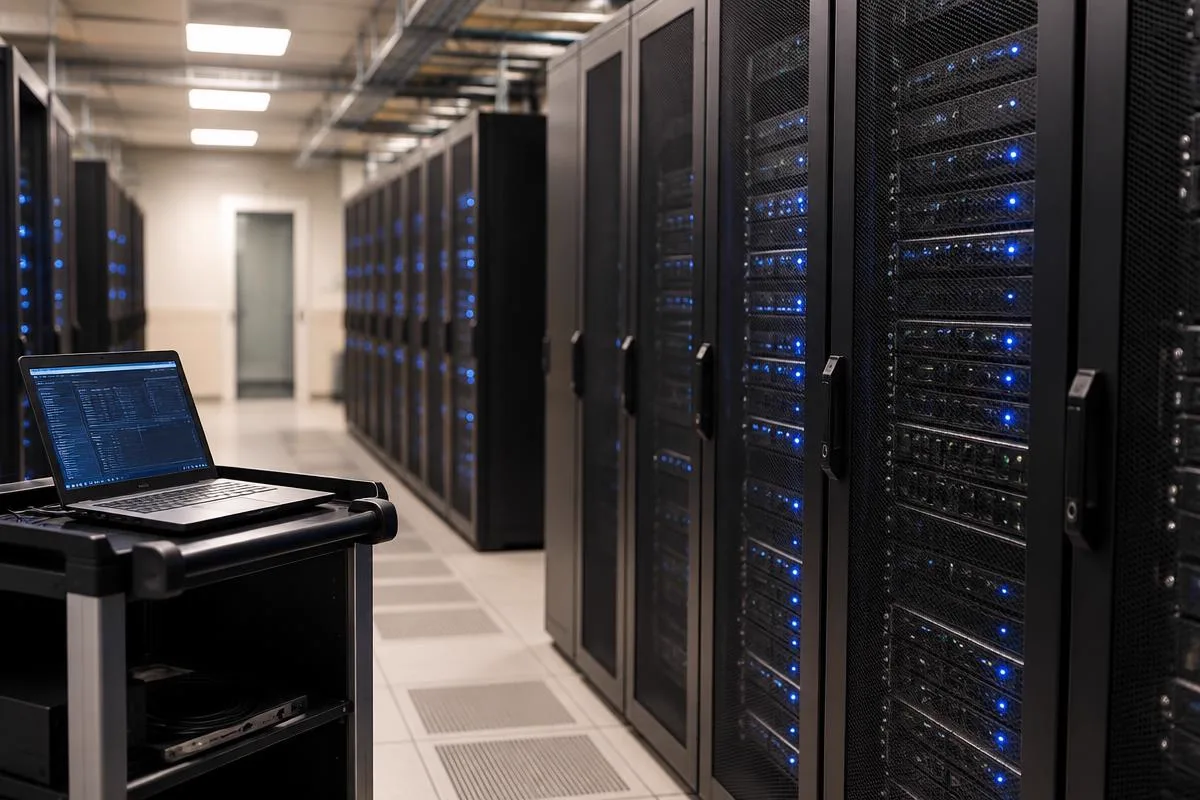
- Servers, storage and infrastructure
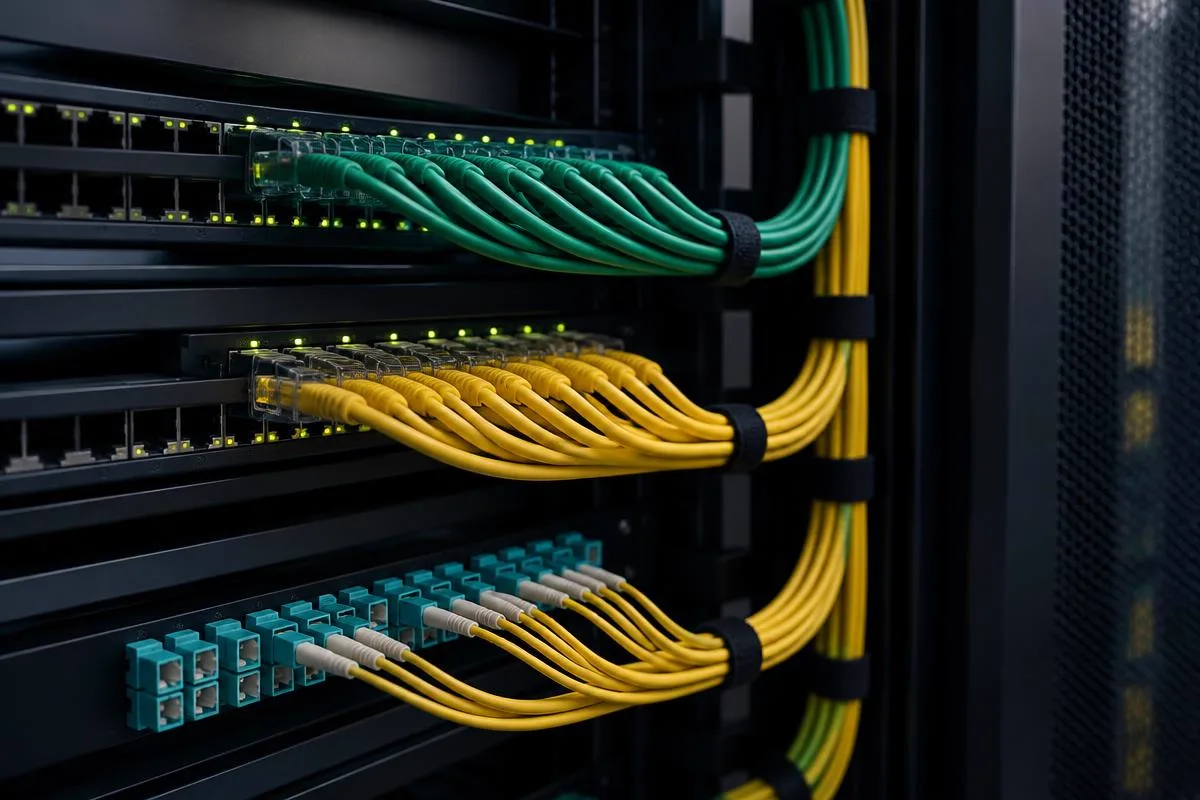
- Networking and connectivity
- Telecoms and unified communications
- Security systems
- Software and services
- The main ways to finance IT and technology
- Finance lease
- Hire purchase
- Operating lease
- Rolling refresh facilities
- Asset refinance
- Bundling hardware, software and services into one agreement
- IT finance for resellers, MSPs and security installers
- Refurbished and second-life IT equipment
- How funders assess an IT finance application
- The business
- The equipment
- The supplier
- The structure
- Tax and VAT treatment, in outline
- End of term and the refresh cycle
- Common mistakes to avoid
- How a specialist broker helps
- Leasing versus buying: a closer look
- Cash and working capital
- Predictability
- Obsolescence
- Ownership
- Technology finance by business type
- Offices and professional firms
- Warehouses, logistics and manufacturing
- Healthcare, education and care settings
- Hospitality and retail
- CCTV and security system finance in detail
- Telecoms and unified communications finance
- The application process, step by step
- What to have ready
- IT leasing and sustainability
- What does IT leasing cost?
- Choosing a technology finance partner
- Who we help, and at what stage
- Getting the timing right
- Frequently asked questions about IT leasing
- A plain-English glossary
- Speak to a technology finance specialist
IT leasing lets a business use the computers, servers, network equipment, software and security systems it needs now, while spreading the cost over a fixed term of typically one to five years. Buckingham Leasing is an independent UK asset finance broker that arranges IT leasing and technology finance from £5,000 to £5m for businesses of every size, bundling hardware, software, installation and support into one predictable monthly payment where the project calls for it.
This guide answers the questions UK businesses ask most often about financing technology. It covers what can be funded, how each finance route works, how leasing compares with buying, how resellers and managed service providers use finance to win more business, what funders want to see, and how a specialist broker helps. If you would rather talk it through, our IT, telecoms and security finance page sets out how we work with the sector, and you can request a quote at any time.
Quick answers about IT leasing and technology finance

- What is it? Funding that spreads the cost of business technology over a fixed term, so capital stays in the business.
- Who is it for? Any UK business buying technology, plus IT resellers, managed service providers and security installers offering finance to their own customers.
- What can be funded? Laptops, desktops, servers, storage, networking, WiFi, firewalls, phone systems, CCTV, access control, AV, EPOS, printers, software licences and installation.
- Deal size? We arrange facilities from £5,000 to £5m.
- Terms? Typically one to five years, matched to how long the technology will remain useful.
- New and used? Both, including refurbished and second-life equipment, subject to the funder's checks.
- Software and services? Usually yes, bundled with hardware in one agreement.
- Are we a lender? No. We are an independent broker. We find and present the right funder for the project.
Why businesses lease IT rather than buy it outright
Technology is unusual among business assets because it loses value quickly and becomes outdated on a predictable cycle. A laptop fleet is tired after three years. A server platform is due for replacement after five. Security standards, software requirements and working practices move on whether the equipment is paid for or not. Paying cash for assets that depreciate this quickly ties up capital in things that will be worth little by the time they are replaced.
Leasing turns that problem into a routine. The business pays a fixed amount each month for the period the equipment is genuinely useful, keeps its cash and bank facilities free for trading, stock, wages and growth, and treats the end of the agreement as a natural refresh point. Budgeting becomes simpler because the cost is known in advance, and the conversation about replacing ageing kit stops being a battle for capital every few years.
There is also a practical point about scale. A business that needs fifty laptops, a network refresh and a new phone system in the same quarter faces a large single invoice. Spreading that cost means the project can happen when the business needs it, rather than when the cash happens to be available.
What IT and technology equipment can be financed?
As a rule of thumb, if it is business technology with a clear specification and a supplier invoice, a funder will usually consider it. Across the sector we regularly arrange finance for:
Workplace computing
- Laptops, desktops and workstations, from single units to whole-company rollouts
- Monitors, docking stations and peripheral bundles
- High-specification machines for design, engineering and video work
- Ruggedised tablets and handheld devices for field teams
Servers, storage and infrastructure
- Physical servers, hyperconverged systems and storage area networks
- Network attached storage and backup appliances
- Server racks, uninterruptible power supplies and cooling
- Comms room fit-outs and structured cabling
Networking and connectivity
- Switches, routers and wireless access points
- Firewalls and network security appliances
- SD-WAN and leased line equipment
- Point-to-point wireless links between buildings
Telecoms and unified communications
- Hosted and on-premise phone systems
- Handsets, headsets and conference endpoints
- Video conferencing and meeting room systems
- Call recording and contact centre platforms
Security systems
- IP CCTV cameras, recorders and video management software
- Access control, intercoms and door entry
- Intruder alarms and monitoring equipment
- ANPR and perimeter detection
Software and services
- Business software licences and subscriptions bought upfront
- Implementation, configuration and data migration
- Extended warranties and support contracts
- Installation, cabling and commissioning
Soft costs such as installation and training can often be included alongside the hardware, depending on the funder and the shape of the package. It is worth raising the whole project at the start rather than discovering a shortfall after the order is placed.
The main ways to finance IT and technology
There is no single best product. The right structure depends on whether you want to own the equipment, how quickly it will be replaced, your VAT and tax position, and what your cash flow can comfortably carry. These are the routes we arrange most often for technology purchases.
Finance lease
The finance lease is the classic IT leasing structure and the one most people mean when they say leasing. The funder buys the equipment and rents it to your business over a fixed term. You pay VAT on the rentals rather than the full purchase price upfront, which softens the initial cost. At the end of the term you can usually carry on using the equipment for a small annual rental, arrange its sale and keep most of the proceeds, or hand it back and upgrade. Because the funder owns the kit, a finance lease suits technology you intend to replace on a cycle rather than keep forever.
Hire purchase
Hire purchase suits technology you want to own outright. You usually pay the VAT and a deposit upfront, then fixed monthly payments over the term, and ownership passes to the business once the final payment and any small option fee are made. The asset normally sits on your balance sheet from the start, which can matter for capital allowances. Hire purchase is common for longer-lived infrastructure such as server platforms, phone systems and security installations that will still be working well beyond the end of the agreement.
Operating lease
An operating lease is built around use rather than ownership. Rentals reflect the difference between the purchase price and the expected value of the equipment at the end, so monthly costs are often lower than other routes. At the end of the term the equipment goes back and you replace it. This suits fast-moving technology such as laptops and mobile devices where a three-year refresh is already the plan, and where the business does not want to think about disposal.
Rolling refresh facilities
For businesses that buy technology continually, a rolling facility can work better than arranging each purchase separately. A credit limit is agreed in advance, and the business draws down against it as projects arise: a batch of laptops one month, a network upgrade the next. Each drawdown has its own term, but the paperwork is done once. IT resellers and managed service providers use the same structure to offer finance to their own customers without reapplying every time.
Asset refinance
Where a business already owns valuable equipment outright, such as a server platform, a print fleet or a security installation, asset refinance can release capital from it. The funder values the equipment, buys it and leases it back, and the business receives a cash sum to use for the next project. It is a practical way to fund growth without disturbing bank facilities.
Bundling hardware, software and services into one agreement
Real technology projects are rarely just boxes. A network refresh includes switches and access points, but also licences, installation, configuration and support. A phone system includes handsets, but also call packages and training. A CCTV project includes cameras, but also cabling, recording software and monitoring.
One of the most useful things a specialist broker does is structure the whole project as a single agreement. The business gets one monthly payment that covers everything, the supplier gets paid in full on completion, and there is no awkward gap where the hardware is financed but the installation has to come out of cash. Funders are comfortable with this provided the package is anchored by tangible equipment, which is why it helps to present the project as a whole from the outset.
This bundling is also how technology becomes genuinely predictable. Instead of a capital purchase followed by a stream of separate invoices for support and warranties, the business knows exactly what the project costs each month for its whole life.
IT finance for resellers, MSPs and security installers
A large part of the technology finance market exists to help the companies that sell technology, not just the companies that use it. If you are an IT reseller, a managed service provider, a telecoms supplier or a security installer, offering finance at the point of sale changes the conversation with your customers.
A customer who hesitates at a large capital quote often proceeds when the same project is presented as a monthly figure. Finance shortens sales cycles, lifts order values because the customer is not forced to strip the project back to what cash allows, and reduces the discounting pressure that comes with end-of-quarter negotiation. It also turns one-off hardware sales into longer relationships, because the end of each agreement is a natural moment to talk about the next refresh.
We work with suppliers in two main ways. The first is referral: you introduce your customer, we arrange the finance directly with them, and you are paid on delivery. The second is a rolling facility that lets you quote monthly figures as part of your standard proposals. Either way, your customer gets independent advice and access to a panel of funders rather than a single captive option, and you get a broker who understands the difference between a hypervisor host and a handset.
Refurbished and second-life IT equipment
Not every project needs brand new equipment. Refurbished laptops, servers and network hardware can offer strong value, and there is a well-established UK trade in professionally refurbished business technology. Many funders are happy to finance it, provided the supplier is reputable, the equipment is clearly specified and the price makes sense against its remaining working life.
Second-life equipment also has a place in sustainability planning. Extending the working life of technology reduces electronic waste and the environmental cost of manufacturing new devices, and some businesses now build refurbished equipment into their procurement policy for that reason. Where the project combines new and refurbished kit, say new servers alongside refurbished laptops, a single agreement can usually cover both.
The checks are the same as for any used equipment: the funder will want to know the age, condition and specification, who is supplying it, and that it is free of any existing finance. A clear invoice from an established refurbisher answers most of those questions before they are asked.
How funders assess an IT finance application
Funders look at four things together: the business, the equipment, the supplier and the structure. Understanding what they want makes the process quicker and the answer more likely to be yes.
The business
Trading history, accounts, bank conduct and existing commitments all matter. For established businesses, funders want to see that the repayments sit comfortably within normal cash flow. For younger businesses, they look harder at the directors' experience, the order book or contracts that justify the purchase, and personal credit. A short, honest explanation of what the technology will do for the business is worth more than a glossy proposal.
The equipment
Technology depreciates quickly, so funders think carefully about term length. A laptop fleet over three years is an easy yes; the same fleet over seven years is not, because the equipment will be worthless long before the agreement ends. Matching the term to the realistic useful life of the kit is the single most important structural decision, and it is where a broker earns their keep.
The supplier
Funders prefer established suppliers who will deliver, install and support what they sell. A clear, itemised quote on company letterhead, with model numbers and specifications, moves an application along faster than anything else. Private sales and unusual sourcing are possible but need more evidence.
The structure
Deposit, term, end-of-term intentions and any soft costs all shape the decision. A sensible deposit reduces the funder's exposure and often improves the terms. Being clear about whether you want to own the equipment or refresh it avoids restructuring later.
Tax and VAT treatment, in outline
Tax treatment follows the agreement type, and the details belong with your accountant, but the broad shape is worth understanding before you choose a route.
With hire purchase, the asset usually sits on your balance sheet from the start, and qualifying equipment can attract capital allowances, including the annual investment allowance, in the year of purchase. VAT is normally paid upfront on the full purchase price. With a finance lease, the rentals are generally treated as a trading expense and VAT is paid on each rental as it falls due, which spreads the VAT cost over the term. With an operating lease, rentals are similarly expensed as paid.
The right choice depends on your profits, your VAT position and your plans for the equipment, and it can differ between two otherwise identical businesses. We will always set out the structures clearly, but the final call on tax treatment should be made with your accountant, who knows your wider position.
End of term and the refresh cycle
The end of a technology agreement is not an awkward moment; it is the point of the exercise. Because the term was matched to the useful life of the equipment, the end of the agreement arrives at roughly the moment the business should be thinking about replacement anyway.
With hire purchase, you simply keep the equipment and carry on. With a finance lease, you can usually continue using it for a nominal rental, sell it and retain most of the proceeds, or roll into new equipment. With an operating lease, the equipment goes back and the new fleet arrives. Businesses that plan the refresh as part of the original decision avoid the common trap of running ageing, unsupported kit for years because replacing it never quite reaches the top of the list.
There is a security angle too. Ageing devices fall out of manufacturer support, stop receiving security updates and become a liability. A planned refresh cycle, funded by a lease that ends when support ends, keeps the estate current without a periodic fight for capital.
Common mistakes to avoid
- Financing over too long a term. If the agreement outlives the equipment, you are paying for nothing. Match the term to realistic useful life.
- Forgetting the soft costs. Installation, licences and support are part of the project. Include them from the start or fund them from cash later.
- Buying outright by default. Cash spent on depreciating technology is cash that cannot fund growth. Compare the routes before committing.
- Ignoring the end of term. Decide at the start whether you want to own the equipment or refresh it, and choose the structure that matches.
- Leaving finance to the last minute. Approaching a broker before the order is placed means the facility is ready when the supplier is, and staged payments can be planned properly.
How a specialist broker helps
The technology finance market includes bank-owned lenders, independent specialists and manufacturer finance arms, and they do not all see the same deal the same way. One funder may be comfortable with a software-heavy bundle while another is not. One may welcome a young business with strong contracts while another wants three years of accounts. Knowing which door to knock on first is most of the value a broker brings.
Buckingham Leasing is an independent, FCA-authorised credit broker based in Buckinghamshire, arranging finance for businesses across the UK. We are not tied to any single funder or manufacturer, so the structure we recommend is the one that fits your project rather than the one that fits a sales target. We prepare the proposal, approach the funders most likely to support it, explain the options in plain English and stay involved through to payout. Facilities run from £5,000 to £5m, so the same service covers a handful of laptops and a full data centre fit-out.
Leasing versus buying: a closer look
The choice between leasing and buying is rarely about the headline price alone. It is about what else the money could be doing, how long the equipment will earn its keep, and how the business wants to handle replacement. It is worth working through each consideration properly before deciding.
Cash and working capital
Buying outright converts a large sum of cash into equipment that immediately starts losing value. Leasing keeps that cash available for the things that actually grow a business: stock, staff, marketing, premises and the inevitable surprises. For most businesses, the question is not whether they can afford to buy, but whether buying is the best use of the money. Cash in the bank is also what lenders and suppliers look at when they assess your business, so preserving it has value beyond the purchase itself.
Predictability
A lease turns an irregular capital cost into a fixed monthly figure that can be budgeted with confidence. Finance directors and owners alike tend to value this more than they expect, because it removes technology from the list of things that can ambush a quiet month. When warranties and support are bundled in, the figure covers the whole cost of running the equipment, not just the box.
Obsolescence
Technology is one of the few purchases where the replacement date is known roughly at the outset. Manufacturer support cycles, warranty periods and software requirements all point to a sensible working life. Leasing lets the finance term follow that cycle, so the business is never left paying for equipment that has already been retired, and never left running equipment long past its best because the capital was spent years ago.
Ownership
Ownership still matters for some equipment and some businesses. Long-lived infrastructure such as structured cabling, a server platform expected to run for many years, or a security installation wired into the building may be better owned through hire purchase. The honest answer is that most businesses end up with a blend: owned infrastructure underneath, leased and refreshed equipment on top.
Technology finance by business type
The same finance structures serve very different kinds of organisation. A few examples of how the pieces fit together in practice.

Offices and professional firms
Accountants, solicitors, recruiters and agencies typically finance laptop and desktop fleets, meeting room AV, phone systems and the network that ties it together. Projects often coincide with an office move or a period of hiring, and bundling the whole fit-out into one agreement keeps the move budget under control. Refresh cycles of three years suit the pace of change in workplace computing.
Warehouses, logistics and manufacturing
Operational businesses finance ruggedised handhelds, barcode and scanning systems, warehouse WiFi, EPOS and the servers behind them, often alongside CCTV and access control across large sites. Reliability matters more than novelty here, so longer terms on proven equipment are common, and staged projects across several sites can be structured as one facility.
Healthcare, education and care settings
Practices, clinics, nurseries and training providers finance clinical and administrative IT, telephone and booking systems, and extensive security and access control. Compliance requirements often drive the specification, and funders familiar with these settings understand why the equipment list looks the way it does.
Hospitality and retail
Hotels, restaurants, pubs and shops finance EPOS systems, kitchen display screens, guest WiFi, CCTV and door entry, usually as part of a refit or a new opening. Where the project is part of a wider fit-out, the technology can often sit in the same facility as the other equipment, which keeps the opening budget in one place.
CCTV and security system finance in detail
Security projects deserve a mention of their own because they combine several kinds of cost in one job. A typical commercial CCTV or access control project includes cameras or readers, recording and management servers, software licences, networking, cabling, installation and an ongoing maintenance or monitoring agreement. Presented as a single capital quote, that can be a daunting figure. Presented as a monthly cost over three to five years, it is usually well within reach.
Funders are comfortable with security equipment because it is fixed, identifiable and clearly valuable to the business. The installer matters: an established, accredited installer with a clear itemised proposal makes approval straightforward. Where a business is securing several sites, a single facility covering the whole rollout avoids repeating the process site by site, and additions can often be folded in as the estate grows.
For security installers themselves, offering finance at the point of quote removes the most common objection, which is rarely the specification and almost always the upfront cost. We work with installers across the UK on exactly this basis.
Telecoms and unified communications finance
Business communications have consolidated into platforms that blend handsets, video, messaging and call handling, and the equipment behind them is a natural fit for finance. Handsets, headsets, conference systems, on-premise telephone equipment and the network upgrades that support them can all be funded, usually over three to five years to match the contract length of the services they carry.
Telecoms resellers were among the first to build finance into their standard proposals, and the pattern holds: a customer comparing a capital quote with a monthly figure that includes equipment, installation and support almost always finds the monthly figure easier to approve. If you supply communications systems and do not yet offer finance, it is the simplest way to stop losing winnable deals to upfront cost.
The application process, step by step
Arranging IT finance through a broker is deliberately straightforward, and most of the work sits with us rather than with you.
- Tell us about the project. A call, a message or the enquiry form is enough. What are you buying, roughly what does it cost, and when do you need it?
- We shape the proposal. We agree the structure with you: deposit, term, ownership or refresh, and whether soft costs are included.
- We approach the right funders. The proposal goes to the funders most likely to support it, based on the equipment, the term and your business.
- You get a clear answer. We come back with the options in plain English, including the monthly figure, the total cost and what happens at the end.
- Documents and payout. Once you are happy, the agreement is signed, the supplier is paid on delivery or completion, and the equipment goes in.
Straightforward applications are often approved within a day or two, and sometimes faster. Larger or more unusual projects take a little longer, mainly because the funder wants to understand the business properly. Either way, you deal with one person throughout, and you will always know where things stand.
What to have ready
A clean application is a fast application. The items that help most are an itemised supplier quote with model numbers and specifications, your latest accounts or management figures, recent business bank statements, and a sentence or two on what the technology will do for the business. For younger businesses, the directors' background and any contracts or order book that justify the purchase carry extra weight. None of this needs to be polished; it needs to be clear.
IT leasing and sustainability
Technology procurement is increasingly part of environmental reporting, and finance can support that rather than complicate it. Planned refresh cycles mean equipment is replaced while it still has value, which keeps it in the second-hand market rather than in a cupboard or a skip. Refurbished equipment can be financed on the same terms as new, and operating leases return equipment to channels that redeploy it professionally. For businesses with formal sustainability commitments, being able to show a managed lifecycle for technology, rather than ad hoc purchases and disposals, is increasingly useful evidence.
What does IT leasing cost?
There is no honest single answer, and any provider who quotes a rate before understanding your project is guessing. The monthly figure depends on the amount being financed, the term, the type of agreement, the equipment itself, the strength and trading history of the business, and how much of the package is hardware versus software and services. A well-established business financing a server platform over three years will be quoted differently from a young business financing a software-heavy bundle over five.
What we can promise is transparency. When we come back with options, you will see the monthly payment, the total payable over the term, any fees, and what happens at the end, all in plain English. That makes it easy to compare leasing with buying outright, and to compare one structure with another. The cheapest monthly figure is not always the best value: a longer term lowers the payment but raises the total cost, and a term that outlives the equipment is false economy however low the number looks.
Choosing a technology finance partner
The UK technology finance market includes bank-owned lenders, independent specialist funders, manufacturer finance arms and brokers. Each has its place. Manufacturer finance can be convenient for a single-brand purchase, but it only covers that brand, and most real projects mix equipment from several suppliers. A single lender can only offer its own products. An independent broker works across a panel of funders and is paid for placing the right deal, not a particular one.
Whichever route you choose, a few questions are worth asking. Is the provider authorised and regulated by the Financial Conduct Authority? Will they show you the total cost, not just the monthly figure? Do they understand technology well enough to structure software, services and hardware sensibly? And will they still be useful at the end of the term, when the refresh decision arrives? Buckingham Leasing is FCA authorised, independent, and has arranged asset finance for UK businesses for over twenty years across agriculture, construction, groundscare, manufacturing and technology.
Who we help, and at what stage
Technology finance is not only for large companies with IT departments. Most of the businesses we help are small and mid-sized firms where technology is essential but nobody's full-time job. A ten-person accountancy practice refreshing its laptops, a warehouse fitting its first proper CCTV system, a growing retailer replacing tills and EPOS across three shops: these are everyday projects for us, and the facilities start from £5,000 precisely so that smaller purchases are worth financing properly rather than putting on a credit card or draining the current account.
At the other end of the scale, we structure larger programmes for businesses with estates to manage: multi-site security rollouts, company-wide device refreshes, server room and comms fit-outs, and rolling facilities for organisations that buy technology every month. The structure scales, but the service stays the same: one person who knows your project, clear options in plain English, and no pressure to proceed.
We also help at the moments businesses find hardest. Start-ups with no accounts yet, businesses recovering from a difficult year, and firms whose bank has said no are all worth a conversation. Because we work across a panel of funders rather than a single lender, a decline from one door is not the end of the road, and an honest explanation of the circumstances often matters more than a perfect credit history.
Getting the timing right
The best moment to arrange finance is before the order is placed, not after. Approaching a broker early means the facility is approved and waiting when the supplier is ready to deliver, staged payments can be planned properly where a project runs in phases, and there is time to compare structures rather than taking whatever can be arranged fastest. It also means the monthly figure can sit in the project budget from the start, which avoids the familiar situation where a carefully planned rollout is trimmed at the last minute to fit the cash available. If your project is still at the ideas stage, that is fine too: an early conversation about what is fundable and over what term often shapes a better specification.
Frequently asked questions about IT leasing
The questions at the top of this guide cover the essentials: what IT leasing is, whether software and services can be included, what equipment qualifies, how leasing compares with buying, how start-ups are assessed, what happens at the end of the term, and how we are paid. If your question is not answered there, a short call usually settles it.
A plain-English glossary
- Finance lease: the funder owns the equipment and your business pays rentals for its use, with flexible options at the end.
- Hire purchase: finance where the business owns the equipment after the final payment.
- Operating lease: a rental based on use rather than ownership, with the equipment handed back at the end.
- Rolling facility: a pre-agreed credit limit the business draws against as technology purchases arise.
- Asset refinance: releasing capital from equipment the business already owns.
- Soft costs: the non-hardware parts of a project, such as software, installation, warranties and training.
- Refresh cycle: the planned period after which technology is replaced, often matched to the finance term.
- Residual value: the expected value of the equipment at the end of the agreement.
- Personal guarantee: a director's promise to meet the agreement if the business cannot.
Speak to a technology finance specialist
Whether you are refreshing a laptop fleet, fitting out a server room, rolling out CCTV across several sites or looking to offer finance to your own customers, a short conversation is the best place to start. Visit our IT, telecoms and security finance page to see the equipment we fund and how we work with the sector, read our guide to how asset finance works for the wider picture, or request a quote and a specialist will call you back within one working day. No obligation, free quote.
Buckingham Leasing is a credit broker, not a lender. All finance is subject to status and the funder's terms. This guide is general information and not tax, legal or financial advice.