Business
Brewery Finance UK: The Complete Guide to Funding Brewing Equipment
Everything UK brewers need to know about brewery finance: what can be funded, hire purchase versus leasing, start-ups, used and imported kit, and how a specialist broker helps.
In this article
- Quick answers about brewery finance
- Why brewery finance is different from general business lending
- What brewery equipment can be financed?
- Hot side
- Cold side
- Packaging
- Containers, logistics and trade
- The main ways to finance brewery equipment
- Hire purchase
- Finance lease
- Operating lease and contract hire
- Asset refinance
- Staged payment and supplier deposit funding
- Seasonal repayment profiles
- Hire purchase or lease: how breweries usually decide
- What funders look for in a brewery finance application
- For established breweries
- For start-up and young breweries
- Brewery finance for start-ups
- Financing growth: expanding capacity, packaging and taprooms
- Adding fermentation capacity
- Bringing packaging in-house
- A new or upgraded brewhouse
- Keg fleets
- Taprooms and brewpubs
- Vans and distribution
- Used and second-hand brewery equipment
- Imported brewhouses and overseas suppliers
- Cash flow, duty and working capital
- Tax, VAT and accounting points to discuss with your accountant
- Cideries, distilleries and other drinks producers
- Sustainability and efficiency equipment
- Contract brewing, cuckoo brewers and brewery transfers
- Broker or supplier finance: which should a brewery use?
- Questions brewers often ask us
- How quickly can brewery finance be approved?
- Will applying affect our credit file?
- Can we combine several items in one agreement?
- Can we settle early if trading goes well?
- What if our accounts show a loss?
- How Buckingham Leasing helps breweries
- We speak the language
- We present the case properly
- We match the funder to the project
- We structure around your calendar
- We stay with you through payout
- We are here for the next project
- Why brewery equipment makes good security
- Planning a brewery investment step by step
- Brewery finance across the UK
- How the process works
- Common mistakes to avoid
- A checklist before you apply
- Brewery finance in a sentence
- Brewery finance glossary
- Speak to a brewery finance specialist
Brewery finance lets an independent brewery, cidery or distillery acquire brewing, packaging and cellar equipment now and pay for it over an agreed term, usually through hire purchase, leasing or asset refinance. Buckingham Leasing is a UK finance broker that arranges brewery equipment finance from £5,000 to £5m, on new, used and imported kit, with terms typically from one to seven years and repayments that can be shaped around the brewing calendar.
This guide answers the questions brewers ask us most often. It covers what can be funded, how each finance route works, what funders want to see, how start-up and growing breweries are assessed, how to handle imported brewhouses and staged deposits, and how a specialist broker can help. If you would rather talk it through, our brewery finance page sets out how we work with the trade, and you can request a quote at any time.
Quick answers about brewery finance
- What is it? Funding that spreads the cost of brewing and packaging equipment over a fixed term, so capital stays in the business.
- Who is it for? Microbreweries, craft and regional brewers, brewpubs, cideries, meaderies, distilleries and contract packers.
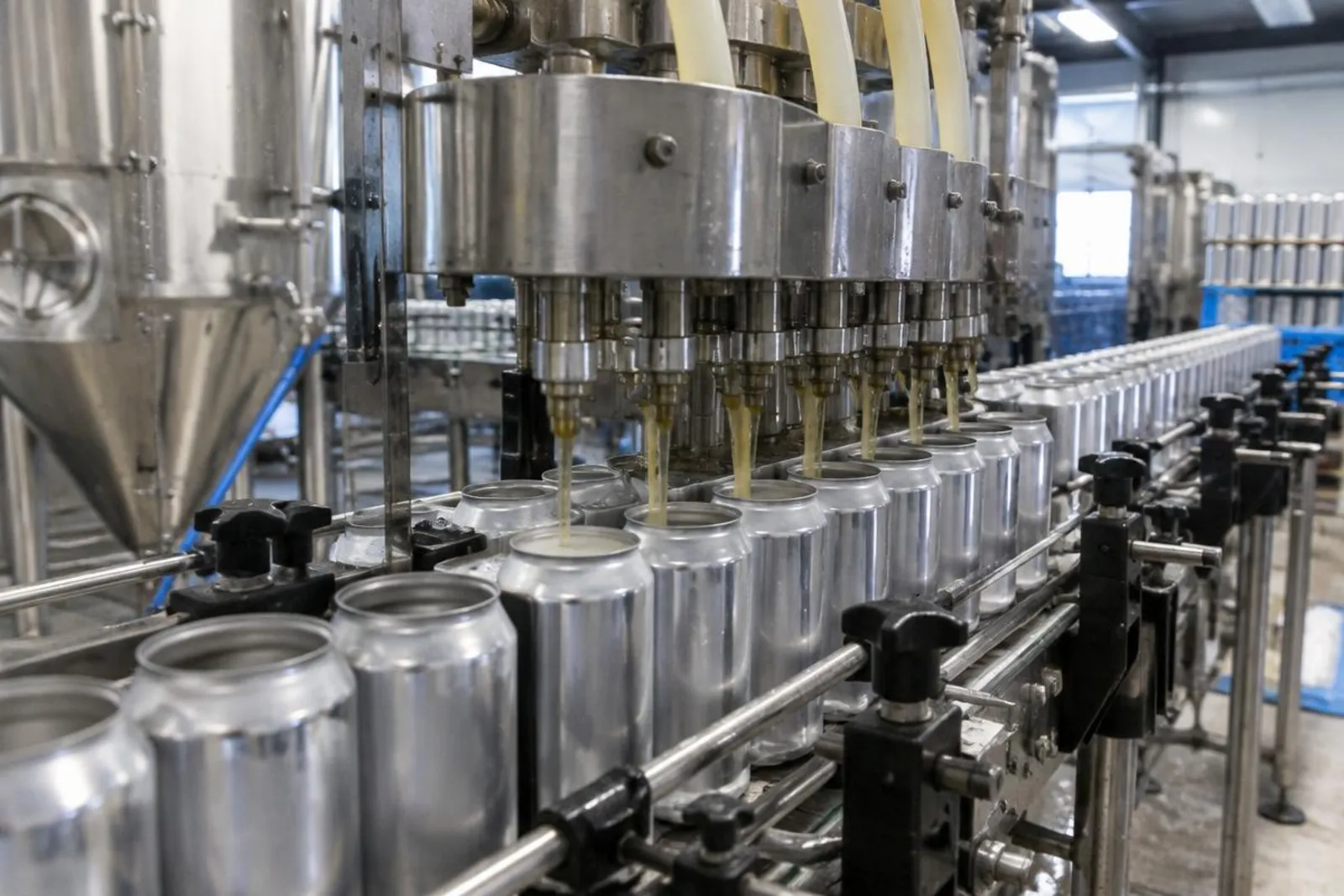
- What can be funded? Brewhouses, fermenters, bright tanks, chillers, canning and bottling lines, kegs, casks, keg plant, forklifts, vans and taproom dispense.
- Deal size? We arrange facilities from £5,000 to £5m.
- Terms? Typically one to seven years, matched to the working life of the equipment.
- New and used? Both, plus imported equipment and private sales, subject to the funder's checks.
- Start-ups? Considered, with more weight on experience, plan and deposit.
- Are we a lender? No. We are a broker. We find and present the right funder for the project.
Why brewery finance is different from general business lending
Brewing is capital intensive in a way few small businesses are. A brewery buys expensive stainless steel long before it sells a pint, carries stock that takes weeks to become saleable, pays duty on what leaves the bonded area, and often extends credit to pubs and retailers. Cash is tied up at every stage. That is why spreading the cost of equipment matters so much: paying outright for a new fermenter or canning line can drain the very working capital that pays for malt, hops, cans, wages and duty.
Brewery equipment is also specialist. A general bank manager may not know the difference between a fermentation vessel and a bright beer tank, or why a glycol chiller is as critical as the brewhouse itself. Specialist asset funders do. They understand that good stainless steel holds value for many years, that there is an active second-hand market for well-maintained kit, and that capacity investment is often what unlocks new contracts, supermarket listings or a move into small-pack.
Because the equipment itself supports the agreement, asset finance can often be arranged where an unsecured loan would struggle, and it usually leaves bank overdrafts and other facilities free for day-to-day trading.
What brewery equipment can be financed?
As a rule of thumb, if the equipment is identifiable, has a serial number or clear specification, and holds some value, a funder will usually consider it. Across the brewing trade we regularly see finance for:
Hot side
- Complete brewhouses, from small pilot kits to multi-vessel systems
- Mash tuns, lauter tuns, mash filters and kettles
- Whirlpools, hop backs and hop dosing equipment
- Hot liquor and cold liquor tanks
- Steam generators, boilers and electric heating systems
- Grain handling, milling and spent-grain systems
Cold side
- Fermentation vessels (FVs) and unitanks
- Bright beer tanks and conditioning tanks
- Glycol chillers, heat exchangers and cooling jackets
- Centrifuges and filtration systems
- Carbonation stones and inline dosing
- Cold rooms and refrigerated storage
Packaging
- Canning lines, seamers and depalletisers
- Bottling and labelling lines
- Keg washers, fillers and racking equipment
- Cask washing and filling
- Pasteurisers, tunnel pasteurisers and date coders
- Shrink wrappers, case packers and pallet wrappers
Containers, logistics and trade
- Stainless steel kegs, casks and KeyKeg-style systems
- Forklifts, pallet trucks and warehouse racking
- Delivery vans, refrigerated vehicles and drays
- Taproom bars, cellar cooling, python lines and dispense
- Laboratory equipment and quality control instruments
- Cleaning in place (CIP) systems and wastewater treatment
Soft costs such as installation, pipework and commissioning can sometimes be included alongside the hardware, depending on the funder and the overall value of the package. It is worth raising them at the start rather than discovering a shortfall after the order is placed.
The main ways to finance brewery equipment
There is no single best product. The right structure depends on whether you want to own the equipment, how long you will use it, your VAT and tax position, and what your cash flow can comfortably carry. These are the routes we arrange most often for breweries.
Hire purchase
Hire purchase is the most common route for brewery equipment you intend to keep. You usually pay a deposit, then fixed monthly payments over the term. Once the final payment and any small option fee are made, ownership passes to the brewery. For accounting purposes the asset normally sits on your balance sheet from the start, which can matter for capital allowances. Hire purchase suits long-life assets such as tanks, brewhouses and good-quality packaging lines that will still be earning long after the agreement ends.
Finance lease
Under a finance lease, the funder owns the equipment and the brewery pays rentals for its use over the primary period. VAT is generally charged on each rental rather than upfront, which can ease the initial cash outlay. At the end, options typically include a secondary rental period or selling the equipment to a third party and receiving a share of the proceeds. Leasing can suit kit that is upgraded on a cycle, such as packaging technology, vans or dispense.
Operating lease and contract hire
Operating leases are used where the brewery only wants the use of an asset for part of its life and plans to hand it back. They are more common for vehicles and some forklifts than for stainless steel, but they can be useful where the business values predictable costs and replacement over ownership.
Asset refinance
Many established breweries own valuable equipment outright. Asset refinance, sometimes called sale and hire purchase back, releases capital from that equipment. The funder buys or takes security over the kit and the brewery repays over a new term while continuing to use it. Breweries use refinance to fund expansion, new tanks, a canning line, a taproom fit-out, duty or seasonal stock.
Staged payment and supplier deposit funding
New brewhouses and packaging lines are rarely delivered off the shelf. Fabricators often ask for staged payments: a deposit on order, a further payment before shipping and a balance on commissioning. Some funders can release funds in stages; others will only pay once the equipment is delivered. Choosing the right funder for the supplier's payment schedule is one of the most valuable things a broker does on a brewery project.
Seasonal repayment profiles
Beer sales follow the seasons. Summer, bank holidays, festivals and Christmas trading can look very different from January and February. Where the brewery's trading evidence supports it, some funders will consider reduced payments in quieter months, payment holidays at the start of a term or a profile weighted towards peak trading. The total cost must still be affordable, but a structure that matches the calendar can make a meaningful difference to cash flow.
Hire purchase or lease: how breweries usually decide
There is no universal answer, but a few practical questions help:
- Will you still want this equipment in seven to ten years? If yes, as with most tanks and brewhouses, ownership through hire purchase often makes sense.
- Is the technology likely to move on? Packaging lines, labellers and some control systems improve quickly. Leasing can make upgrading simpler.
- How does VAT affect your cash flow? Paying VAT upfront on a large purchase can strain cash, even if it is reclaimed later. Leasing spreads VAT across rentals; some funders can also defer VAT on hire purchase for a short period.
- What does your accountant advise on tax? Capital allowances, the annual investment allowance and how rentals are treated vary between structures. Always take accountancy advice before choosing.
- What happens at the end? Know whether you will own the kit, return it, extend the agreement or share sale proceeds.
For a broader comparison of these structures, our guide to what asset finance is explains hire purchase, finance leases and operating leases in more depth.
What funders look for in a brewery finance application
Every funder has its own criteria, but brewery applications tend to be assessed on the same core questions: can the business afford the payments, is the equipment sensible security, and do the people running it know what they are doing? You can help your application by preparing the following.
For established breweries
- The last two years of filed or full accounts
- Recent management accounts if the year end is some months away
- Three to six months of business bank statements
- A supplier quotation showing the equipment, price, VAT and delivery terms
- A short note on why the equipment is needed and what it will achieve, such as extra capacity, a new contract or reduced outsourcing
- Details of existing finance agreements and borrowing
For start-up and young breweries
- A business plan with realistic volumes, pricing and routes to market
- Cash flow forecasts for at least the first year
- Evidence of the founders' brewing and business experience
- Details of premises, lease terms and planning or licensing position
- Evidence of the deposit or opening capital
- Any early trade, letters of intent or confirmed outlets
Funders are reassured by clarity. A brewery that can explain why the investment is needed, how it pays for itself and what happens if sales are slower than hoped usually receives a faster and more confident decision.
Brewery finance for start-ups
Starting a brewery is one of the most common reasons brewers contact us. The honest answer is that start-up finance is possible, but it is assessed differently from finance for an established business. Without trading history, funders rely on other evidence.
Experience matters. A head brewer who has spent years at another brewery, or founders with a track record in hospitality, distribution or running a business, give funders confidence. Set this out clearly.
A deposit helps. Start-up applications are usually stronger where the founders contribute part of the cost. It shows commitment and reduces the funder's exposure. The right level depends on the project, so ask before assuming.
Used equipment can be a sensible start. Well-maintained second-hand tanks and brewhouses can reduce the amount borrowed and the monthly commitment, and many funders will consider them.
Personal guarantees are common. For limited companies without trading history, directors are often asked to guarantee the agreement. Understand what that means before signing.
Keep working capital separate. One of the most common mistakes is spending every pound of opening capital on equipment. Financing the kit keeps cash available for ingredients, packaging, marketing, duty and the slow early months. Our guide on asset finance for a new business covers start-up applications in more detail.
Financing growth: expanding capacity, packaging and taprooms
For established breweries the question is usually not whether to invest but how to fund growth without stretching the business. These are the projects we see most often.
Adding fermentation capacity
Extra fermenters and bright tanks are often the quickest way to lift output, because the brewhouse can usually brew more often than the cellar can hold. Tank additions are relatively straightforward to finance, and the equipment holds value well.
Bringing packaging in-house
Moving from mobile canning or contract packaging to an in-house line is a major step. It gives control over timing, quality and margin, but it is a significant investment that brings depalletisers, rinsers, seamers, labellers and secondary packaging with it. Funders will want to see the volumes that justify it. A clear comparison of current outsourcing costs against the proposed payments is persuasive evidence.
A new or upgraded brewhouse
Replacing a small kit with a larger, more automated brewhouse often comes with a move to new premises. These projects usually involve staged payments, installation, pipework and electrical work. Planning the finance around the supplier's schedule, and around the timing of the move, keeps the project on track.
Keg fleets
Kegs are expensive, they leave the brewery and they do not always come back. Many breweries finance keg fleets to keep cash for trading. Funders will consider kegs, though they may look at how the fleet is tracked and managed.
Taprooms and brewpubs
A taproom can transform margins by selling direct. Bars, dispense, cellar cooling, kitchens, furniture and EPOS can often be financed as part of a wider package. Our wider sport and leisure finance page covers bar and hospitality equipment for clubs and venues.
Vans and distribution
Delivering direct to pubs and retailers means vans, refrigerated vehicles or drays. These are usually straightforward to finance on hire purchase or lease, and can sit alongside a brewing equipment agreement. See our transport finance page for vehicle options.
Used and second-hand brewery equipment
There is an active market in used brewing kit, driven by breweries upgrading, consolidating or closing. Good stainless steel lasts, so used tanks and brewhouses can offer real value. Funders will usually consider used equipment, but they will look at:
- The age, condition and specification of the equipment
- Whether it is being sold by a dealer, an auction house or another brewery
- The price relative to new and to comparable used kit
- Serial numbers, photographs and any service or inspection records
- Confirmation that there is no outstanding finance on the equipment
Private sales between breweries are common and can be financed, but they need more checks. The funder must be satisfied the seller owns the equipment and can pass clear title. Talk to us before agreeing a price, especially if there is a deadline.
Imported brewhouses and overseas suppliers
Many UK breweries buy brewhouses and tanks from European, North American or Asian fabricators. Imported equipment can be financed, but there are practical points to plan for.
- Staged deposits: overseas suppliers frequently ask for a large deposit on order and the balance before shipping. Check whether the funder can support this or will only pay on arrival.
- Currency: quotations in euros or dollars can move before payment. Agree with the funder how the final sterling amount will be handled.
- Import costs: shipping, duties, import VAT and installation may or may not be included in the funded amount.
- Supplier checks: funders want to know the supplier is genuine. Contracts, references and company details help.
- Delivery timelines: build and shipping can take months. Plan the agreement start date and any payment holiday around commissioning.
Getting these details right at the start avoids the most common problem we see: a brewery that has already paid a large deposit from cash and then finds the remaining balance harder to fund.
Cash flow, duty and working capital
Equipment finance is one part of a brewery's funding picture. Breweries also manage alcohol duty, ingredient costs, packaging stock and trade credit to customers. Spreading the cost of equipment protects cash for these pressures.
When planning a finance agreement, look at the whole year rather than a single month. Consider when duty is paid, when large ingredient and packaging orders fall, when trade customers settle and when sales peak. A payment profile that fits that pattern is far easier to live with than a fixed figure that bites hardest in your quietest month.
If cash is tight because value is locked in owned equipment, refinancing that equipment can release funds without taking on unsecured borrowing. Our guide to asset refinance explains how it works.
Tax, VAT and accounting points to discuss with your accountant
We are not tax advisers, and every brewery's position is different, but these are the questions worth raising before you choose a structure.
- Capital allowances: equipment bought on hire purchase is generally treated as owned for capital allowance purposes. Ask how the annual investment allowance or full expensing rules apply to your purchase.
- Lease rentals: rentals on some leases may be deductible as a business expense. Your accountant can confirm the treatment.
- VAT timing: on hire purchase VAT is usually payable upfront; on leases it is charged on each rental. Some funders can defer upfront VAT for a short period.
- Balance sheet: how the agreement appears in your accounts can affect covenants with your bank.
Bring your accountant in early. A short conversation before signing can make the right structure obvious.
Cideries, distilleries and other drinks producers
Much of this guide applies equally to cider makers, meaderies, distilleries and soft drinks producers. Presses, fermenters, stills, maturation tanks, bottling lines and labelling equipment are all regularly financed. Distilleries face particular cash flow pressure where spirits are aged for years before sale, so structures that protect working capital are especially important. Tell us about your product and timeline, and we will look for funders who understand it.
Sustainability and efficiency equipment
Energy, water and carbon dioxide are among a brewery's largest running costs, and investment in efficiency often pays back through lower bills as well as stronger environmental credentials with customers and retailers. Equipment we see breweries finance in this area includes:
- CO2 recovery systems that capture fermentation gas for reuse in carbonation and packaging
- Heat recovery from the kettle and wort cooling to preheat brewing liquor
- Heat pumps and high-efficiency boilers replacing older gas or oil plant
- Rooftop solar panels and battery storage to offset daytime electricity demand
- Water treatment, reverse osmosis and effluent management systems
- Variable-speed pumps, insulated pipework and upgraded chillers
Because these projects reduce costs, the savings can help support the repayments. Funders like to see the supplier's estimate of savings, though they will assess affordability on the brewery's own figures. Our renewable energy financing guide covers solar, battery and heat projects in more detail.
Contract brewing, cuckoo brewers and brewery transfers
Not every brewer owns a brewhouse. Cuckoo and gypsy brewers produce on other breweries' kit, and many established breweries take on contract work to fill spare capacity. Both models raise their own finance questions.
A cuckoo brewer moving to its own site is effectively a start-up in equipment terms, but with real sales history. That history is valuable evidence. Sales records, customer lists, distributor agreements and margins from contract production can all strengthen an application for a first brewhouse.
A brewery taking on contract packaging may need more tanks or a faster line to service the work. Signed contracts, even short ones, help a funder see where the repayments will come from.
Where a brewery is bought as a going concern, the equipment can sometimes be financed or refinanced as part of the transaction. These deals involve solicitors, valuers and existing lenders, so start the conversation early and expect more checks.
Broker or supplier finance: which should a brewery use?
Many equipment suppliers offer finance at the point of sale. It can be convenient, and occasionally a supplier-backed scheme is competitive. But supplier finance usually comes from one funder, on one set of terms, arranged by someone whose main job is selling equipment.
A specialist broker works for the brewery. We can compare a supplier's offer with alternatives, look at structures the supplier may not offer, such as seasonal profiles, staged payments or refinance of existing kit, and bring several projects together under one relationship. If a supplier's scheme is genuinely the best option, we will tell you. The point is to make the choice with the full picture.
Questions brewers often ask us
How quickly can brewery finance be approved?
Straightforward applications from established breweries, with accounts and a clear quotation, can often receive a decision within one business day. Start-ups, imported equipment, staged payments and larger packages take longer because there is more to check.
Will applying affect our credit file?
Funders will carry out credit checks as part of their assessment. We aim to approach the right funders first rather than spreading an application widely, which keeps the process tidy.
Can we combine several items in one agreement?
Yes. Tanks, a chiller, a keg washer and installation can often sit in one agreement, which simplifies administration. Sometimes separate agreements suit better, for example where a van and a brewhouse have very different working lives.
Can we settle early if trading goes well?
Most agreements can be settled early under their written terms, with the funder providing a settlement figure. Ask how settlement works before signing if you expect to upgrade or sell during the term.
What if our accounts show a loss?
A loss year does not automatically rule out finance. Funders look at why it happened, what has changed and what current trading shows. Recent management accounts and an honest explanation help.
How Buckingham Leasing helps breweries
Buckingham Leasing has spent more than 20 years arranging asset finance for UK businesses. We are a broker, not a lender, which means our job is to understand the brewery, shape the proposal and take it to funders who are suited to the project. Here is what that looks like in practice.
We speak the language
You will not need to explain the difference between an FV and a BBT, why a chiller upgrade comes before more tanks or why a canning line needs a certain throughput to pay for itself. We understand brewing equipment and the way a brewery makes money.
We present the case properly
A strong application tells a clear story: what the brewery does, why the equipment is needed, how it pays for itself and why the business can afford it. We help pull that together, so funders see the full picture rather than a bare set of numbers.
We match the funder to the project
Some funders are comfortable with start-ups, some with imported kit, some with staged payments, some with used equipment and private sales. Matching the right funder to the job is often the difference between a quick approval and a frustrating decline.
We structure around your calendar
Where the evidence supports it, we look for profiles that fit seasonal trading, payment holidays during installation and terms that match the working life of the kit.
We stay with you through payout
We liaise with the supplier, the funder and your team to keep documents, deposits and payout moving, so you can get on with brewing.
We are here for the next project
Most breweries grow in stages: tanks, then packaging, then a bigger brewhouse, then vans or a taproom. We aim to be the broker you call for each step.
Why brewery equipment makes good security
Funders lend against what they can understand and, if necessary, recover. Brewing equipment has qualities that many funders like. Quality stainless steel lasts for decades when it is cleaned and maintained. Tanks and brewhouses are built to recognised specifications and can be moved and reinstalled. There is a steady trade in used kit between breweries of different sizes, so a well-chosen vessel keeps a meaningful value.
That does not mean every item is treated equally. Bespoke pipework, building works and software carry little resale value on their own, so funders may limit how much of a package they cover or ask for a higher deposit where soft costs make up a large share. Packaging lines hold value well when they are from established manufacturers and suited to common can or bottle formats, but less so when heavily customised. Understanding how a funder sees each part of the project helps set realistic expectations on deposits and terms from the outset.
Look after the kit and keep the paperwork. Maintenance logs, cleaning records, pressure vessel inspections and original invoices all support value, both for a refinance later in the agreement and when the equipment is eventually sold or part exchanged.
Planning a brewery investment step by step
The breweries that find finance easiest tend to plan their investment in the same order. It is a useful sequence to follow before speaking to suppliers or funders.
- Start with demand. Be clear about the volumes you are selling now, the volumes you expect to sell and where those sales will come from. Funders want to see the demand before the capacity.
- Find the real bottleneck. Is it fermentation space, brewhouse size, packaging speed, cooling, cold storage or the number of kegs in circulation? Investing in the wrong area adds cost without adding output.
- Price the whole project. Include delivery, installation, utilities, drainage, commissioning, training and any building work, not just the headline equipment price.
- Check the premises. Floor loading, ceiling height, power supply, water, effluent consent and lease terms can all affect what you can install and how a funder views the project.
- Work out what the business can comfortably afford. Build the repayments into a monthly cash flow forecast for the whole year, including quieter months and duty payments.
- Speak to a broker before paying deposits. This keeps every funding option open and lets the finance be built around the supplier's schedule.
- Agree a realistic timeline. Allow for approval, documents, build, shipping and installation, and consider whether a payment holiday during commissioning would help.
Following this order does not guarantee approval, but it produces exactly the information funders ask for and usually leads to quicker, more confident decisions.
Brewery finance across the UK
Buckingham Leasing is based in Buckinghamshire and arranges brewery finance for producers across England, Scotland, Wales and Northern Ireland. Much of the work is done by phone, video and email, so location is rarely a barrier. We work with breweries close to home in Buckinghamshire, Oxfordshire, Northamptonshire and Bedfordshire, and with brewers further afield who want a specialist who understands the trade.
How the process works
- An initial conversation. Tell us about the brewery, the equipment, the supplier and your timescale. A short call is usually enough to understand the options.
- Information gathering. We ask for the quotation, accounts or business plan, bank statements and any other details the funder will need.
- Proposal and funder selection. We present the application to suitable funders and come back with the options.
- Decision. Straightforward applications can often be decided within one business day. More complex projects, start-ups and imported kit can take longer.
- Documents and checks. Once you choose an option, the funder issues documents. We explain them in plain English before you sign.
- Payout and delivery. The funder pays the supplier in line with the agreed schedule and the equipment is delivered and installed.
Common mistakes to avoid
- Paying a large deposit to the supplier before arranging finance. It can limit which funders can help and leave the brewery short of cash.
- Underestimating installation costs. Pipework, electrics, drainage and commissioning add up. Budget for them from the start.
- Financing everything over the longest possible term. Longer terms reduce payments but increase the total cost. Match the term to the equipment's useful life.
- Ignoring the cold side. More tanks without enough cooling capacity creates a bottleneck. Plan the whole system.
- Leaving it late. If a supplier slot or a used kit sale has a deadline, start the finance conversation early.
- Choosing purely on monthly payment. Compare the total commitment, fees, end-of-term options and flexibility, not just the monthly figure.
A checklist before you apply
- A written quotation with the full specification, price, VAT and delivery terms
- The supplier's payment schedule, including any deposits
- Your latest accounts, or a business plan and forecasts if you are new
- Recent business bank statements
- A short explanation of what the investment will achieve
- Details of existing finance and borrowing
- Your accountant's view on hire purchase versus leasing
- A realistic timeline from order to commissioning
Brewery finance in a sentence
If you remember one thing from this guide, make it this: brewery finance works best when the structure follows the brewery, with the term matched to the life of the equipment, payments matched to the trading calendar and the funder matched to the project, whether that is a first brewhouse, a canning line or a keg fleet. That is the work a specialist broker does, and it is why so many independent brewers prefer to talk to someone who already understands the trade before committing to a supplier deposit or a long agreement.
Brewery finance glossary
- FV: fermentation vessel, where wort becomes beer.
- BBT: bright beer tank, used for conditioning, carbonation and serving or packaging.
- Brewhouse: the hot-side system including mash tun, kettle and whirlpool.
- Hire purchase: finance where the brewery owns the equipment at the end of the agreement.
- Finance lease: the funder owns the equipment and the brewery pays rentals for its use.
- Asset refinance: releasing capital from equipment the business already owns.
- Balloon payment: a larger final payment that lowers monthly instalments.
- Staged payment: funds released in stages to match a supplier's build and delivery schedule.
- Personal guarantee: a director's promise to meet the agreement if the business cannot.
Speak to a brewery finance specialist
Whether you are opening your first brewery, adding tanks, bringing canning in-house or refinancing kit you already own, a short conversation is the best place to start. Visit our brewery finance page to see the equipment we fund and how we work with the trade, or request a quote and a specialist will call you back within one working day. No obligation, free quote.
Buckingham Leasing is a credit broker, not a lender. All finance is subject to status and the funder's terms. This guide is general information and not tax, legal or financial advice.